
What Flowers Are Poisonous to Cats? Full Safety Guide
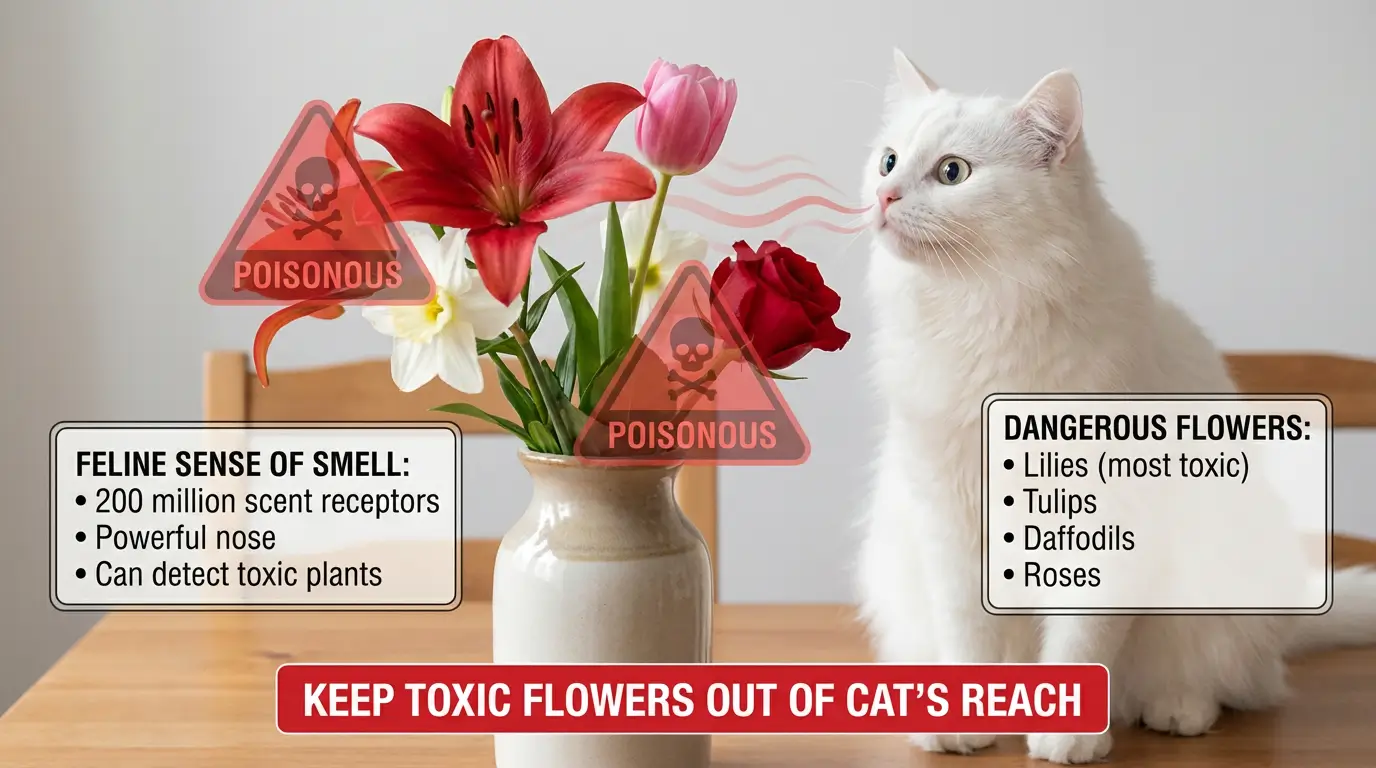
I’ll never forget the Easter Sunday a frantic couple rushed into my clinic carrying their limp Persian cat. They’d received a beautiful lily arrangement the day before—pastel colors, gorgeous ribbon, the works. Their cat had nibbled a single leaf while they were at brunch. By the time they got home and noticed her acting strange, her kidneys were already shutting down.
We fought hard. IV fluids, activated charcoal, round-the-clock monitoring. She didn’t make it past Tuesday morning. And the worst part? They had no idea lilies were toxic. The flowers came from a reputable florist. They looked harmless. How could something so beautiful be deadly?
That case haunts me because it was completely preventable. If they’d known which flowers are genuinely dangerous to cats, that arrangement would’ve gone straight into the trash—or better yet, never entered their home at all.
I’m Sarah Mitchell, and I’ve been a small animal vet for fifteen years. I’ve treated too many flower poisoning cases, and honestly, most people have no idea how many common flowers can seriously hurt or kill their cats. Today, I’m giving you the complete toxic flower list—the ones that’ll send you to the emergency room, the ones that cause mild upset, and exactly what to do if your cat gets into something they shouldn’t.
What flowers are poisonous to cats?
Whether you’re receiving flowers as gifts, planning a garden, or just want to know what to avoid, this guide could save your cat’s life. Let’s make sure you never have to experience what that couple went through.
What Flowers Are Poisonous to Cats – Emergency Level
All True Lilies: The Number One Cat Killer
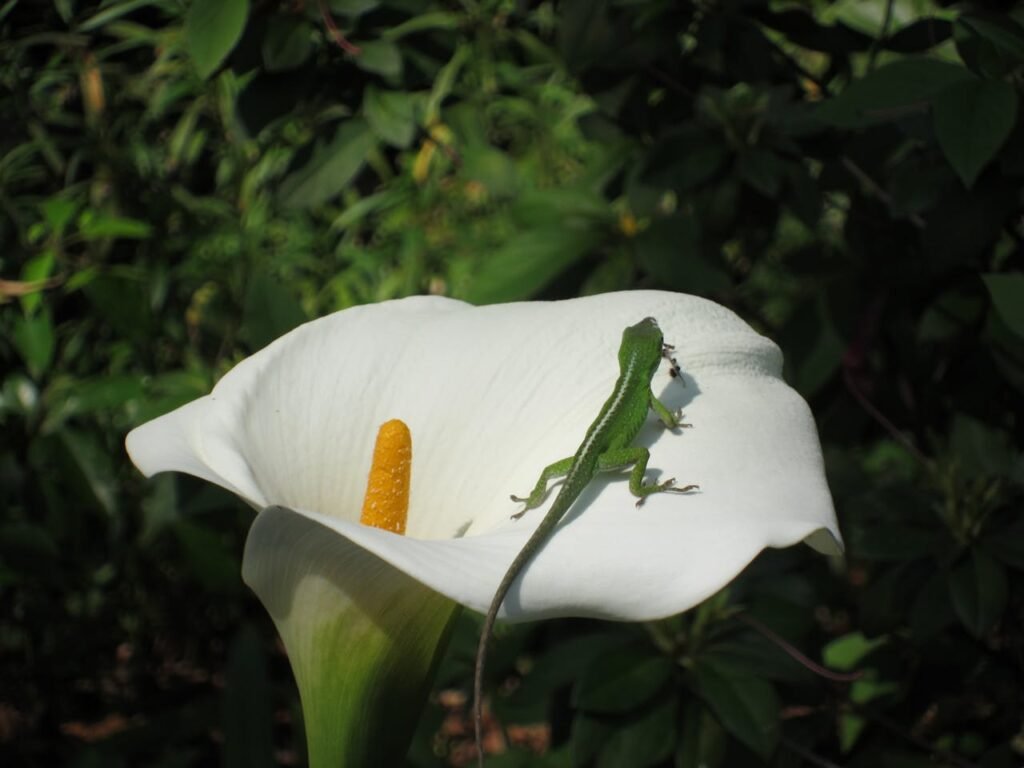
Photo by Boots Davidovitch
Let me be brutally clear: Every single true lily is catastrophically toxic to cats. Easter lilies, Asiatic lilies, tiger lilies, stargazer lilies, daylilies, wood lilies—all of them cause complete, irreversible kidney failure in cats.
The toxic dose is shockingly small. Licking pollen off their fur is enough. Drinking vase water can kill them. Nibbling a single petal or leaf often proves fatal. I’ve watched cats die from lily poisoning despite thousands of dollars in emergency treatment and aggressive veterinary care.
What makes lilies so deadly: They contain compounds that directly destroy kidney cells. Once the damage starts, it’s often irreversible. Even if we catch it early and treat aggressively, the survival rate is maybe 50-50 at best—and that’s with immediate veterinary intervention within 2-4 hours of exposure.
Symptoms appear within 1-6 hours:
- Drooling and vomiting
- Loss of appetite
- Lethargy and depression
- Increased urination initially, then stopping completely
- Seizures in severe cases
If your cat has ANY lily exposure: This is a drop-everything, get-to-the-vet-NOW emergency. Don’t wait for symptoms. Don’t try home remedies. Every minute counts. The difference between life and death is measured in hours, not days.
I cannot stress this enough: Never have lilies anywhere near cats. Not in bouquets. Not in your garden. Not even photos for the ‘gram. They’re too dangerous.
Sago Palm: Nearly 50% Mortality Rate
Technically not a flower, but sago palms show up in so many arrangements and landscaping that I need to address them. These plants are incredibly toxic to cats—all parts, but especially the seeds.
Toxicity mechanism: Sago palms contain cycasin, which causes severe liver damage. The mortality rate even with treatment hovers around 50%. If you have a sago palm and cats, one of them needs to go. Period.
Symptoms within hours:
- Severe vomiting and diarrhea (often bloody)
- Lethargy and weakness
- Seizures
- Liver failure
- Death within 2-3 days without treatment
Azaleas and Rhododendrons: Heart-Stopping Danger
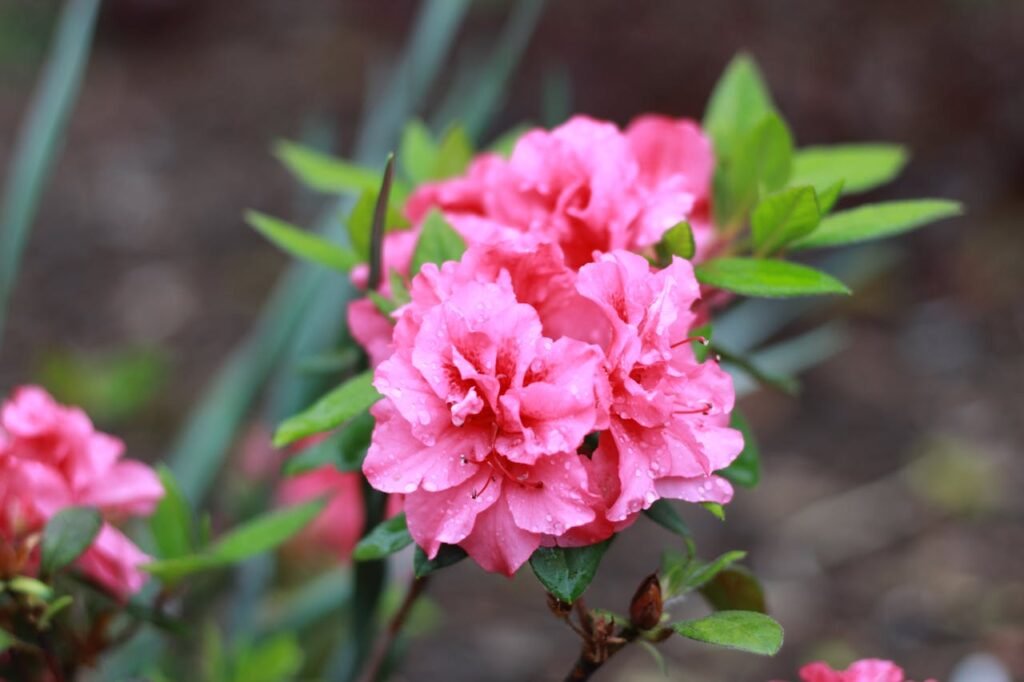
Photo by Lin Tercero from Pexels
These gorgeous spring blooms are everywhere in landscaping, and they’re genuinely dangerous to cats. They contain grayanotoxins that affect the heart, digestive system, and central nervous system.
The scary part? Even a few leaves can cause life-threatening poisoning. I treated a cat last spring who’d chewed on azalea leaves while the owner was replanting the garden. The cat developed severe cardiac arrhythmias and needed 48 hours of intensive care.
Symptoms:
- Drooling and vomiting
- Diarrhea
- Weakness and tremors
- Cardiac failure
- Coma and death in severe cases
Garden note: If you have azaleas, keep cats strictly indoors or fence off the entire garden area. These aren’t plants you can just “watch” your cat around.
Oleander: Extremely Toxic in Any Amount

Photo by Sami Aksu from Pexels
Oleander is popular in warm climates for landscaping, and every part of this plant is deadly toxic. The cardiac glycosides in oleander cause severe heart rhythm abnormalities.
I’m talking about a plant where even the smoke from burning oleander branches can cause toxicity. If your cat chews on oleander, you’re looking at a genuine life-threatening emergency requiring immediate intensive care.
Autumn Crocus: Delayed but Deadly
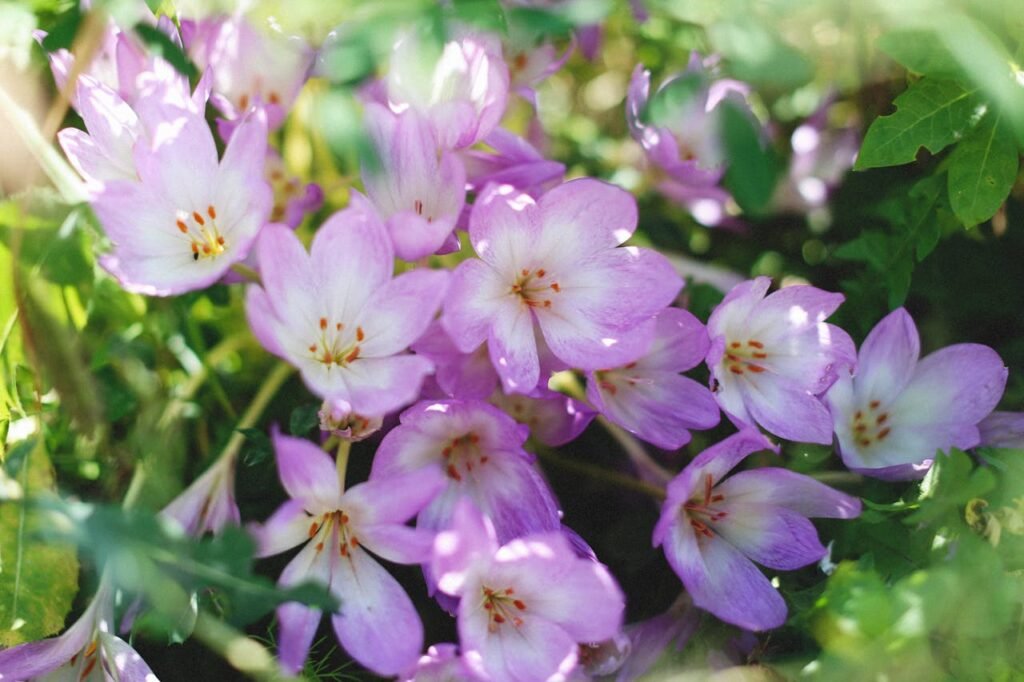
Photo by Alexey Demidov
Unlike spring crocus (which is much less toxic), autumn crocus contains colchicine—the same compound used in gout medication for humans. In cats, it causes severe multi-organ damage.
The terrifying thing about autumn crocus is the delayed onset. Symptoms might not appear for 12-24 hours after ingestion, but by then, significant damage has already occurred.
Symptoms:
- Severe vomiting and bloody diarrhea
- Liver and kidney damage
- Respiratory failure
- Bone marrow suppression
- Death
Moderately Toxic Flowers – Vet Visit Needed
Tulips and Daffodils: Spring Bulb Dangers
The bulbs of these spring favorites contain the highest concentration of toxins, but all parts can cause problems. Tulips cause vomiting, diarrhea, and in severe cases, cardiac issues. Daffodils add respiratory depression to that list.
Most cats who eat tulip or daffodil petals experience moderate GI upset. It’s the cats who dig up and chew bulbs that end up in real trouble—I’ve seen seizures and cardiac arrhythmias from bulb ingestion.
What to watch for:
- Excessive drooling
- Vomiting and diarrhea
- Decreased appetite
- Cardiac abnormalities if large amounts eaten
When to act: If your cat ate petals or leaves, call your vet for guidance. If they ate bulbs, get to emergency care immediately.
Chrysanthemums: Fall Favorite Gone Wrong
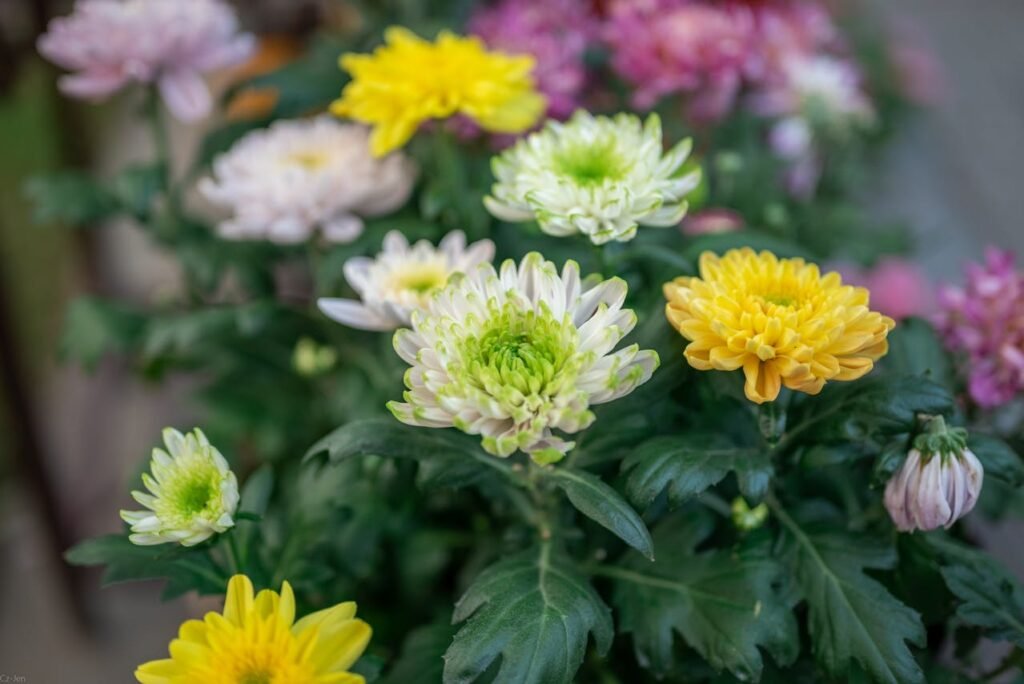
Photo by Cz Jen
Mums are everywhere in autumn—grocery stores, garden centers, fall décor. They contain pyrethrins, which are natural insecticides toxic to cats.
Most cats who encounter mums develop mild to moderate symptoms, but I’ve seen severe cases requiring hospitalization. The toxic dose varies significantly between individual cats.
Symptoms:
- Vomiting and diarrhea
- Drooling
- Incoordination and wobbliness
- Dermatitis if touched
Gladiolus: The Bulb is Worst
Similar to tulips, gladiolus bulbs are the most toxic part, but leaves and flowers can cause problems too. I typically see moderate GI upset from gladiolus ingestion.
Hyacinth and Iris: Pretty but Problematic
Both of these spring flowers cause similar issues—primarily gastrointestinal upset, with the bulbs being most dangerous. Symptoms are usually moderate: vomiting, diarrhea, drooling, and lethargy.
Mildly Toxic Flowers – Monitor at Home
Carnations: Mild GI Upset

Photo by Tatjana
Carnations cause mild to moderate stomach upset in cats. You’ll typically see some vomiting, diarrhea, and drooling, but it’s rarely an emergency. That said, why risk even mild illness when safe alternatives exist?
Baby’s Breath: Irritating Filler
This popular bouquet filler causes mild GI upset and can be a skin irritant. Most cats recover without veterinary intervention, but it’s still not something you want them eating.
Roses: Not Toxic, But Watch the Extras
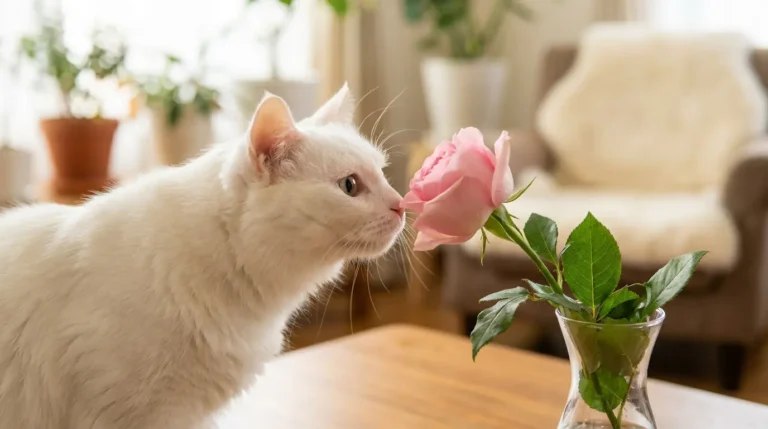
True roses (Rosa species) are actually non-toxic to cats. The problems come from thorns, pesticides, and what’s mixed with roses in bouquets. I covered this extensively in a previous guide, but the short version: roses themselves are safe, everything else around them might not be.
What to Do If Your Cat Eats Toxic Flowers
Immediate Emergency Steps
For deadly flowers (lilies, sago palm, oleander, azaleas):
- Remove cat from area immediately
- Photograph the plant for identification
- Call ASPCA Poison Control (888-426-4435) while driving to emergency vet
- Do NOT wait for symptoms—go NOW
- Bring the plant or photos with you
For moderate toxicity (tulips, mums, daffodils):
- Remove access to plant
- Note what they ate and approximately how much
- Call your regular vet or emergency clinic for guidance
- Monitor closely for symptom development
- Follow veterinary instructions exactly
For mild toxicity (carnations, baby’s breath):
- Remove plant access
- Offer fresh water
- Monitor for 6-8 hours
- Call vet if vomiting persists or worsens
What NOT to Do
Don’t induce vomiting at home unless specifically instructed by a vet or poison control. Hydrogen peroxide and other home remedies can cause more harm, especially if the cat has already started developing symptoms.
Don’t wait and see with deadly plants. The time to act on lily exposure is immediately, not when symptoms appear. By the time you see symptoms, significant damage has already occurred.
Don’t assume small amounts are safe. With lilies and other highly toxic plants, there is no safe amount of exposure.
What Vets Do for Flower Poisoning
Treatment varies dramatically based on what was eaten and how long ago:
Early treatment (within 2 hours):
- Induce vomiting if appropriate
- Activated charcoal to bind toxins
- IV fluids to protect kidneys
- Baseline bloodwork
Advanced treatment (symptoms present):
- Aggressive IV fluid therapy
- Anti-nausea medications
- Liver and kidney support medications
- Serial bloodwork to monitor organ function
- Possible hospitalization for 24-72 hours
Lily-specific protocol:
- Immediate decontamination
- 48+ hours of IV fluids
- Kidney function monitoring
- Prognosis depends entirely on treatment timing
Building a Completely Cat-Safe Home
Safe Flower Alternatives
Instead of risking toxic flowers, stick to these verified safe options:
- Roses (watch for thorns and pesticides)
- Sunflowers
- Orchids
- Snapdragons
- Gerbera daisies
- Asters
- Alstroemeria (Peruvian lily—NOT a true lily)
The “No” List for Cat Homes
Never bring these home:
- All true lilies (any type)
- Sago palms
- Azaleas/Rhododendrons
- Oleander
- Tulips
- Daffodils
- Autumn crocus
- Chrysanthemums
- Gladiolus
- Hyacinth
- Foxglove
- Cyclamen
Talking to Florists and Gift-Givers
My script for ordering flowers: “I have cats, so I absolutely cannot have lilies, tulips, daffodils, mums, or any toxic flowers. Roses, sunflowers, and orchids are perfect. Can you confirm everything in the arrangement—including greenery—is cat-safe?”
For gift-givers: “I love flowers, but I have cats and can’t accept anything with lilies or toxic plants. Safe options are roses, sunflowers, and orchids. Just have the florist confirm everything is cat-safe!”
Post this on social media before major flower-giving holidays. Make it easy for people to get it right.
Frequently Asked Questions
Critical answers about toxic flowers and cat safety
All true lilies (Easter, Asiatic, tiger, stargazer, daylilies) are the most dangerous. Even tiny exposures cause kidney failure and are often fatal despite treatment. Never have lilies anywhere near cats.
It varies by plant:
- Lilies: Symptoms within 1-6 hours
- Sago palm: Within hours
- Autumn crocus: May not show symptoms for 12-24 hours
With known toxic plants, seek immediate veterinary care. Don’t wait to see if symptoms develop.
Maybe, if treated within 2-4 hours of exposure with aggressive veterinary care. The survival rate is approximately 50% even with immediate treatment. Many cats still develop permanent kidney damage.
Never have lilies in homes with cats. The risk is too high and the outcome too unpredictable, even with the best medical care.
No, true roses (Rosa species) are non-toxic to cats. However, thorns can cause injuries, and pesticides on commercial roses are dangerous. Always rinse roses and remove thorns before bringing them inside.
Action depends on the plant:
Lilies, sago palm, oleander, azaleas
Tulips, chrysanthemums, daffodils
Carnations – Watch for symptoms and call vet if they persist or worsen
No. True lilies (Lilium and Hemerocallis species) are deadly toxic. However, Peace lilies, Calla lilies, and Peruvian lilies (alstroemeria) are NOT true lilies and are less toxic—though still not ideal for cats to eat.
Only plants in the Lilium and Hemerocallis genera cause acute kidney failure. Other “lilies” may cause mouth irritation or stomach upset but are not immediately life-threatening.
Roses, sunflowers, orchids, snapdragons, gerbera daisies, asters, and alstroemeria are all safe options.
When ordering: Always specify “no lilies or toxic flowers” and ask the florist to confirm everything is cat-safe. Many florists are now aware of lily toxicity and can accommodate these requests.
For most flowers, no. However, lily pollen on fur that gets groomed off can be fatal.
The danger is ingestion (eating, licking pollen) rather than just smelling. But pollen exposure from sniffing can lead to ingestion during grooming. Even brushing against lilies and then grooming can be deadly.
Complete removal is safest:
- Remove all toxic plants entirely, or fence off garden areas where cats cannot access
- Plant only verified cat-safe species
- Consider creating a dedicated “cat garden” with catnip, cat grass, and safe herbs to redirect interest
Catnip, cat grass, cat thyme, roses (thornless varieties), sunflowers, snapdragons, and asters
Don’t assume drying makes them safe. Dried lilies, sago palm, and other toxic plants are still poisonous.
Artificial flowers aren’t toxic but present choking and obstruction risks if chewed. Keep both types away from cats, especially chronic chewers.
The Bottom Line on Toxic Flowers
Here’s what fifteen years of treating flower poisoning has taught me: The toxic flower list is long, but the safe flower list is longer. You absolutely can have a beautiful, flower-filled home without risking your cat’s life. You just need to know what to avoid and stick to verified safe options.
Lilies are the big one—the absolute never-ever-under-any-circumstances flower. After that, azaleas, sago palms, and oleander round out the “deadly serious” category. Tulips, daffodils, and mums fall into the “definitely avoid” tier. And carnations sit in the “why risk it when safe options exist?” category.
The key principles are simple: Know the deadly ones cold. Never assume a flower is safe just because it’s common or sold commercially. Always verify before bringing flowers home. And make it crystal clear to anyone who might send you flowers that lilies are absolutely off the table.
Your cat’s life literally depends on these decisions. That Easter lily arrangement might look gorgeous, but it’s playing Russian roulette with your cat’s kidneys. The tulip garden seems harmless until your cat digs up a bulb. Those fall mums from the grocery store create unnecessary risk when gorgeous, safe sunflowers sit right next to them.
Choose wisely. Your cat is counting on you to know the difference between beautiful and deadly.
Sources:
- ASPCA Animal Poison Control: Toxic Plant Database
- Pet Poison Helpline: Flower Toxicity Statistics (2020-2026)
- Journal of Veterinary Emergency and Critical Care: Plant Poisoning Case Reviews
- Veterinary Toxicology Research: Lily Poisoning in Cats
- What Flowers Are Safe for Cats? Guide to Pet-Friendly Blooms
- Are Carnations Toxic to Cats? Dangerous Facts to Know
- Can Cats Eat Roses? Safety Facts You Should Know
This article is for informational purposes only. If your cat has been exposed to toxic flowers, contact your veterinarian or emergency clinic immediately.
BEST ARTICLE