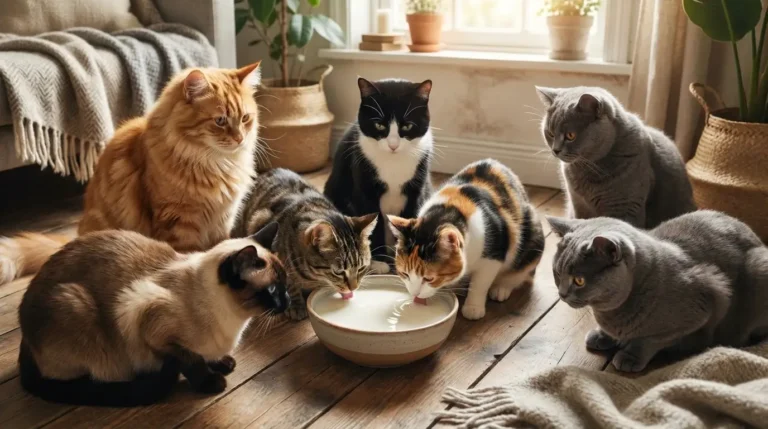
What Flowers Are Safe for Cats? Guide to Pet-Friendly Blooms
Three years ago, I watched a client completely break down in my exam room. Her cat had kidney failure from lily poisoning—she’d received a “harmless” bouquet for her birthday and never imagined flowers could be deadly. That cat didn’t make it, and I’ve carried that moment with me ever since.
Here’s what kills me: It was completely preventable. Beautiful, cat-safe flowers exist in abundance. You don’t have to choose between enjoying fresh blooms and keeping your cat alive. You just need to know which flowers get the green light and which ones are playing Russian roulette with your cat’s kidneys.
What flowers are safe for cats?
I’m Sarah Mitchell, and I’ve been a small animal vet for fifteen years. I’ve treated too many flower poisoning cases—most of them from people who simply didn’t know. Today, I’m giving you the definitive list of flowers that are genuinely safe for cats, the ones that’ll kill them, and exactly how to build gorgeous arrangements that won’t land you in my emergency room at 3 AM.
Whether you’re ordering Valentine’s flowers, planting a garden, or just want fresh blooms on your coffee table without the constant worry, this guide has you covered. Let’s make sure your home stays both beautiful and safe.
What Flowers Are Safe for Cats: Your Go-To List for Cat Homes
Roses (Rosa spp.) – The Classic Choice

Photo by Isabelle Taylor
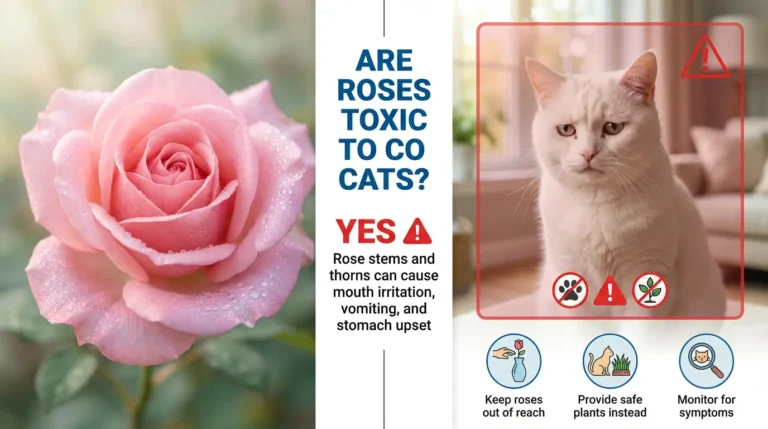
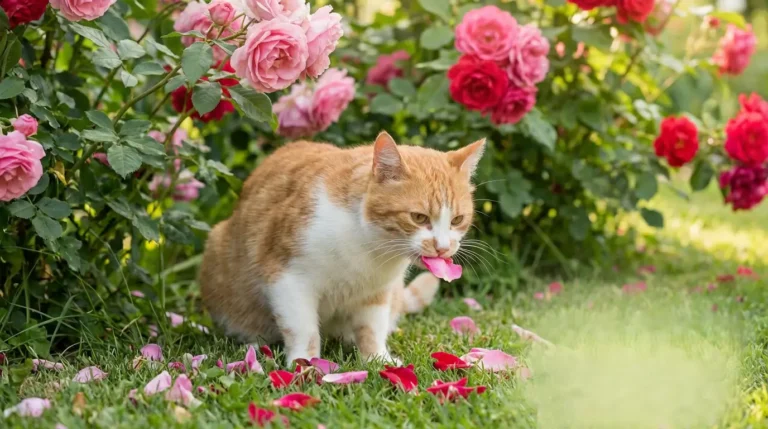
Roses top my safe list for good reason—they’re gorgeous, readily available, and completely non-toxic to cats according to the ASPCA. Every part of a true rose is safe: petals, leaves, stems, even the hips.
That said, roses come with two important caveats. First, those thorns can cause nasty puncture wounds in paws and mouths. I’ve treated plenty of thorn injuries that turned into infections. Second, pesticides on commercial roses are toxic, so always rinse stems thoroughly or buy organic when possible.
Best varieties for cat homes: I love thornless or near-thornless varieties like ‘Zephirine Drouhin’ for gardens. For bouquets, ask your florist to de-thorn stems before arrangement.
Sunflowers (Helianthus annuus) – Bold and Cheerful

Photo by zhang kaiyv
Sunflowers are my personal favorite for cat households. They’re massive, cheerful, completely safe, and cats generally ignore them because they’re too big to be interesting. I keep a vase of sunflowers in my kitchen year-round specifically because my cat Miso has never once shown them any attention.
The bright yellow petals and sturdy stems make gorgeous standalone arrangements or perfect companions to roses. Plus, they last a solid week in a vase with proper care.
Pro tip: Buy them when the heads are just starting to open for maximum vase life. Change water every other day.
Orchids (Phalaenopsis and others) – Elegant and Long-Lasting
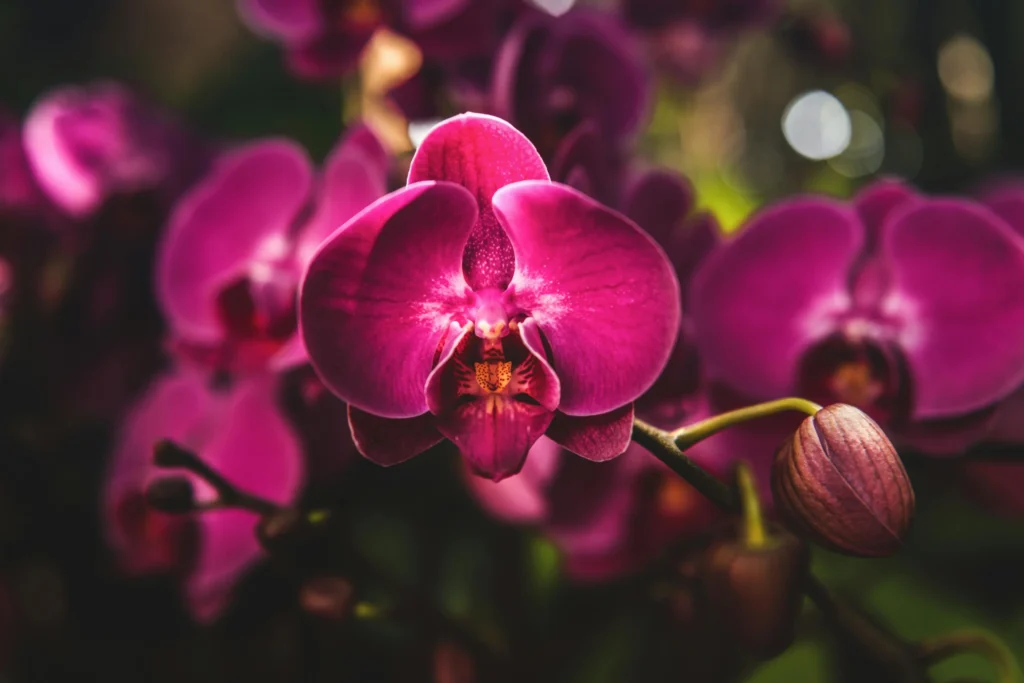
Photo by Tim Mossholder
If you want something that looks expensive, lasts for weeks, and won’t hurt your cat, orchids are your answer. I have clients who’ve kept the same orchid alive (and blooming!) for months in cat households with zero issues.
Most common orchid varieties sold commercially—Phalaenopsis (moth orchids), Dendrobium, and Cattleya—are all non-toxic to cats. The blooms are too high up and too delicate to attract much cat attention anyway.
Care note: Orchids prefer indirect light and weekly watering. Let the potting medium dry slightly between waterings.
Snapdragons (Antirrhinum majus) – Whimsical and Safe
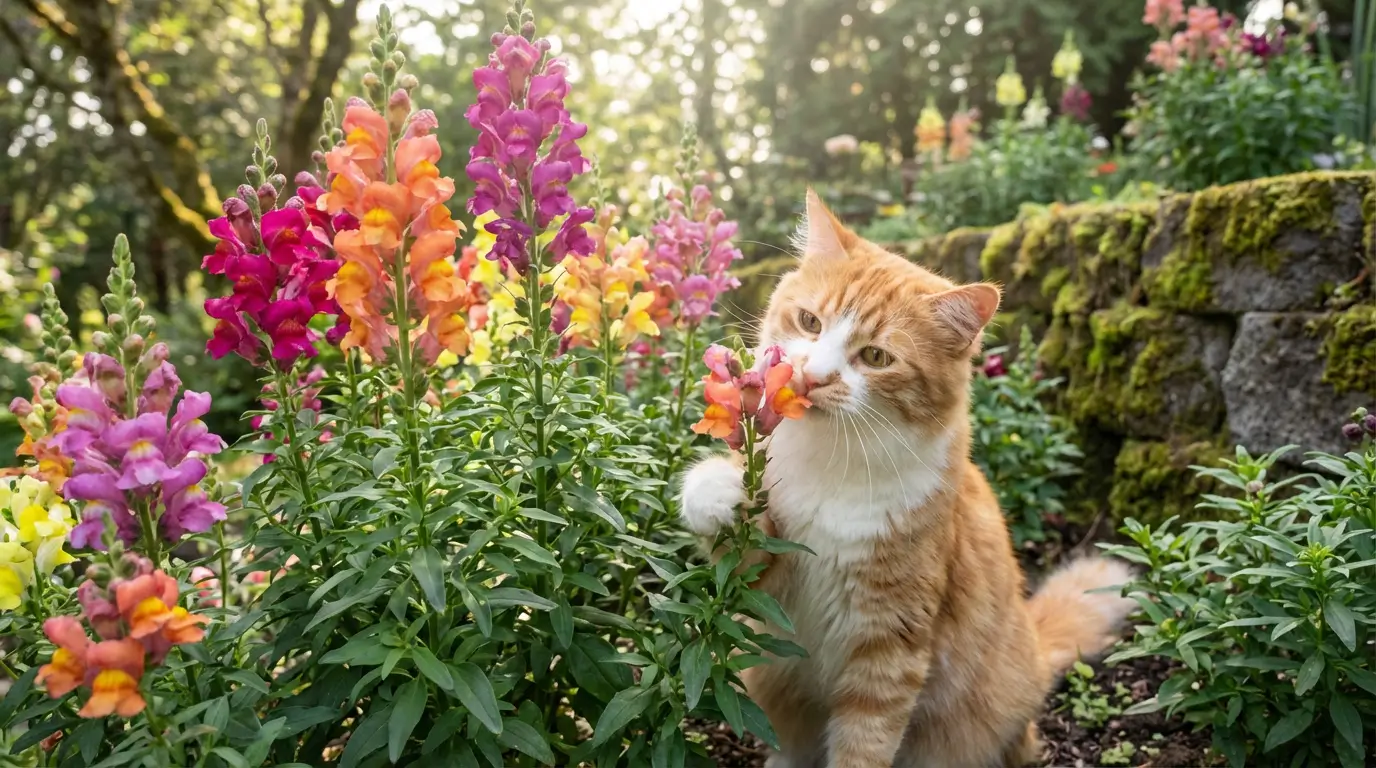
Snapdragons add vertical interest to arrangements and come in incredible colors—pink, purple, yellow, white, bi-color. They’re completely safe for cats and have a fun, almost dragon-like bloom shape that makes arrangements more interesting.
I use snapdragons frequently in mixed bouquets because they’re affordable, cat-safe, and fill out arrangements beautifully without overwhelming other flowers.
Gerbera Daisies (Gerbera jamesonii) – Colorful and Cheerful
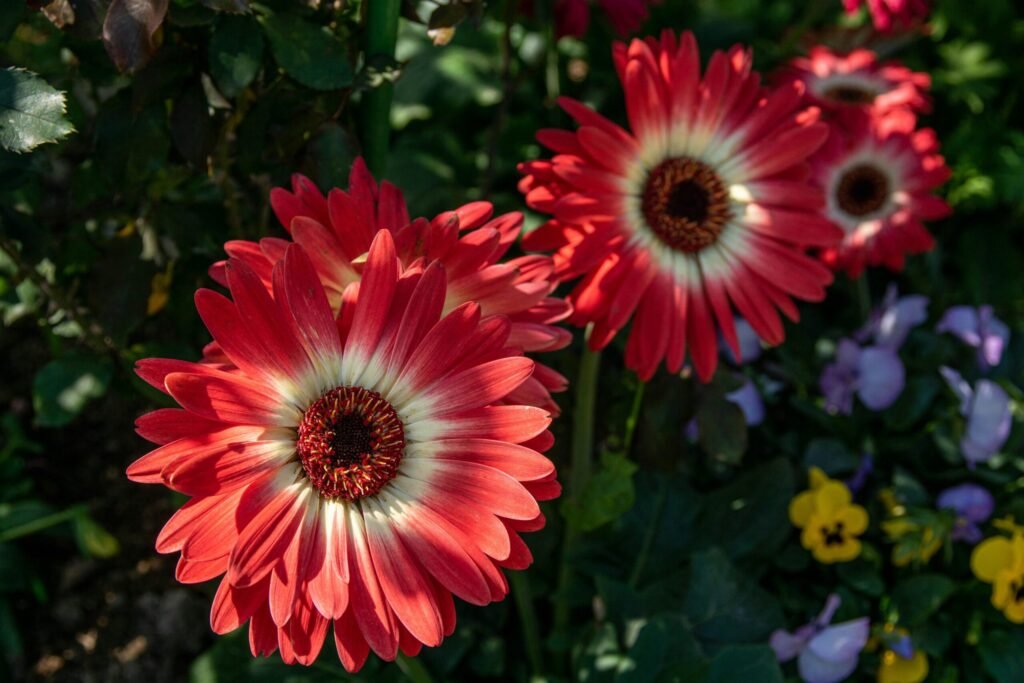
Photo by Sheng-lu Wu from Pexels
These bold, colorful daisies are non-toxic and come in nearly every color imaginable. They’re particularly popular in spring and summer arrangements, and they’re sturdy enough to handle some cat investigation without falling apart.
One warning: The pollen can be messy. If your cat rubs against gerbera daisies, you might find orange or yellow pollen on their fur. It’s not toxic, just annoying to clean.
Asters – Delicate Filler Flowers
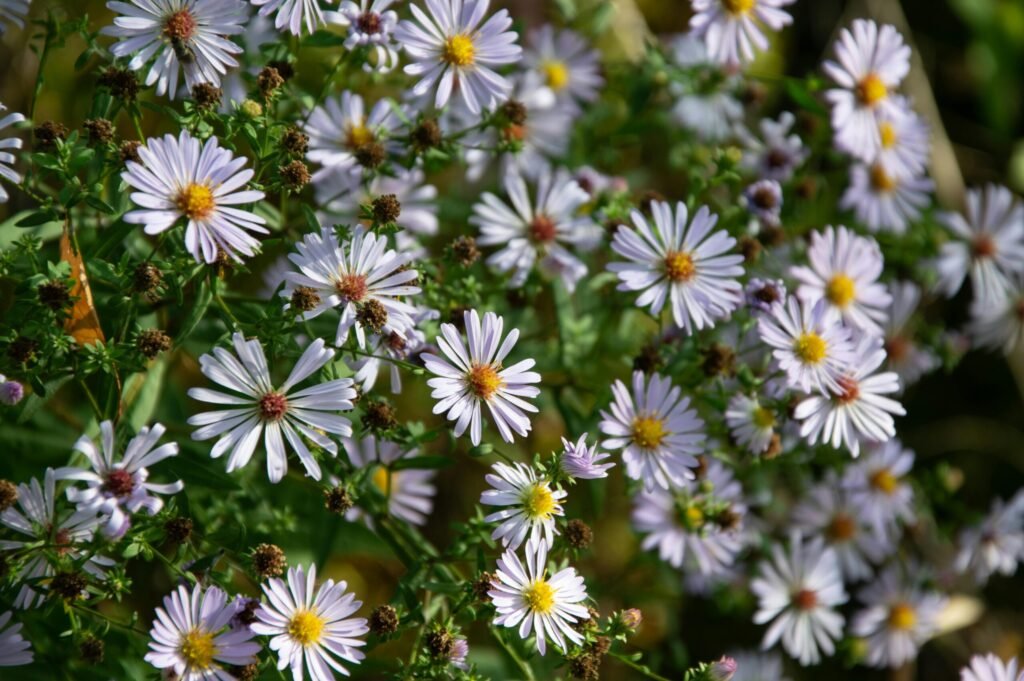
Photo by Vika Glitter
Asters make excellent filler flowers for bouquets and are completely safe for cats. They come in purple, pink, white, and blue, adding texture and color without taking up much visual space.
I particularly love asters in fall arrangements combined with sunflowers and roses—the colors complement each other perfectly.
Freesia – Fragrant and Safe
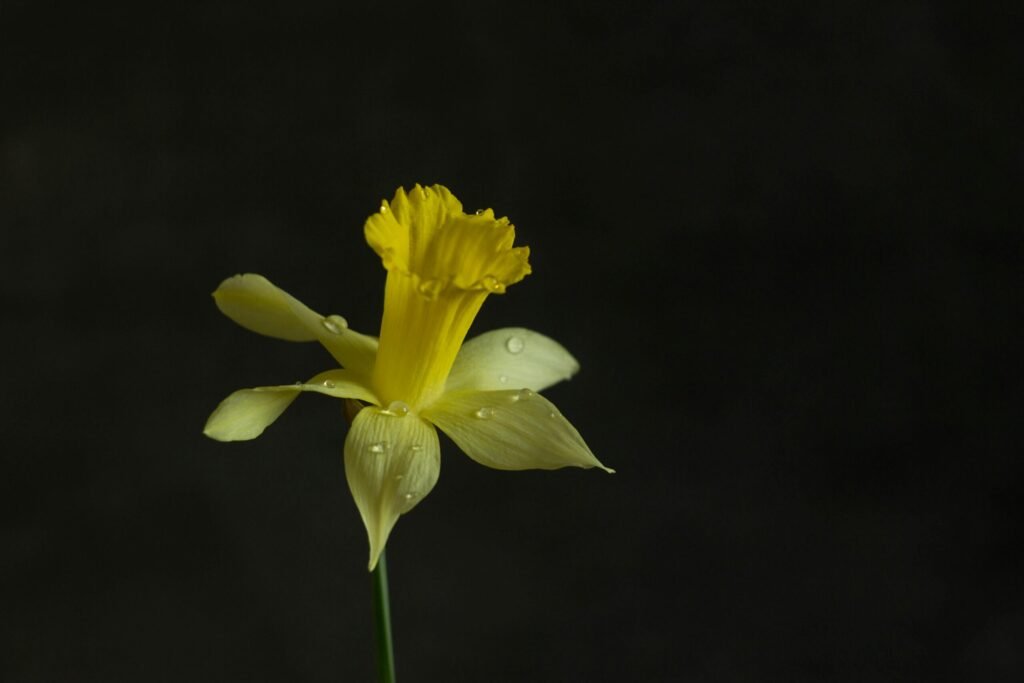
Photo de Елена Климович
If you love fragrant flowers, freesia is your cat-safe option. These delicate, trumpet-shaped blooms smell incredible and come in white, yellow, pink, purple, and orange. They’re completely non-toxic to cats.
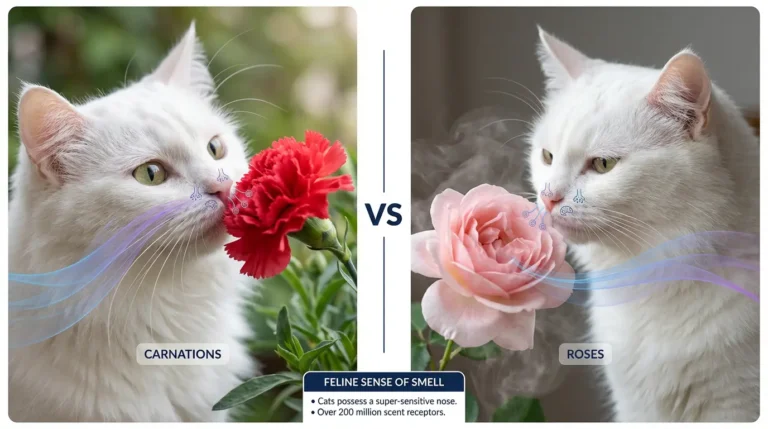
Fragrance note: While the scent is safe, some cats are sensitive to strong smells. If your cat starts sneezing around freesia, move the arrangement to a well-ventilated room.
Lisianthus (Eustoma grandiflorum) – Rose-Like Beauty
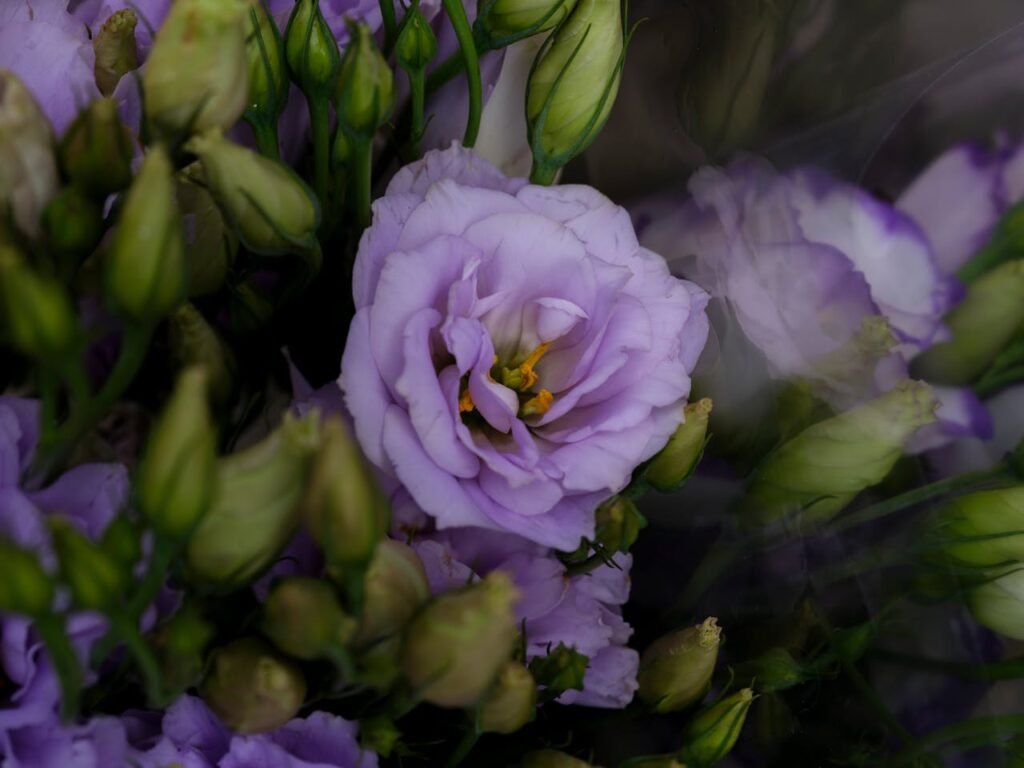
Photo by Engin Akyurt
Lisianthus looks remarkably similar to roses with its ruffled petals and elegant shape, but it’s actually in the gentian family. These flowers are completely safe for cats and last beautifully in arrangements.
I recommend lisianthus as a rose alternative for people who want that classic romantic look but worry about thorns.
Wax Flowers (Chamelaucium) – Long-Lasting Filler
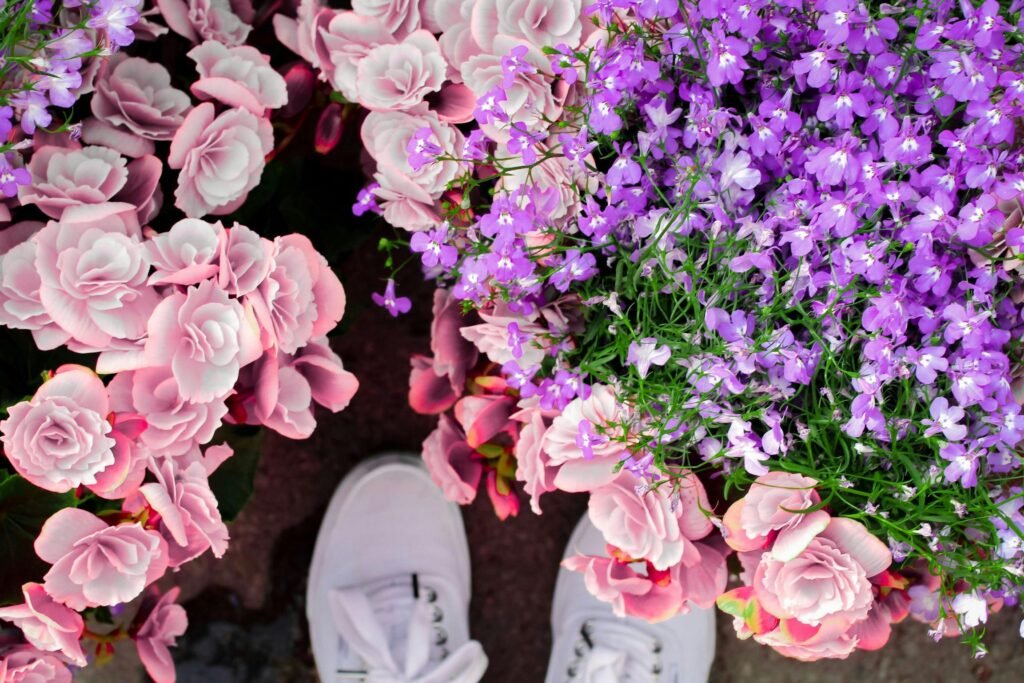
Photo by Jane T D.
These tiny, delicate flowers are popular in wedding bouquets and last for weeks. They’re non-toxic to cats and add a lovely, airy texture to arrangements without overwhelming other blooms.
Alstroemeria (Peruvian Lily) – NOT a True Lily
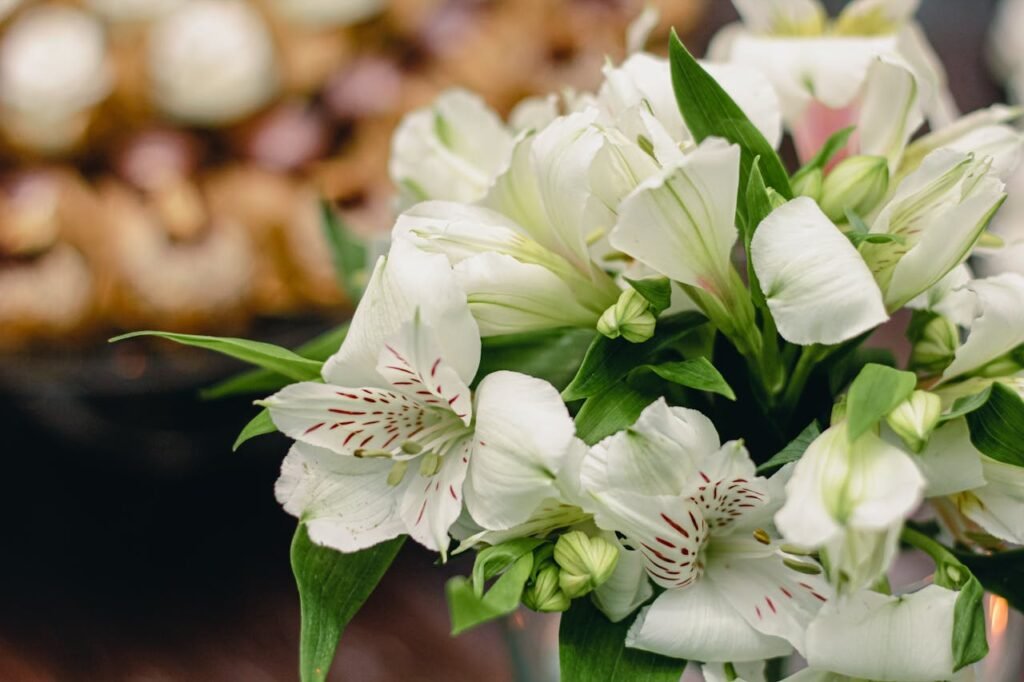
Photo by Jonathan Nenemann from Pexels
Despite the name, Peruvian lilies (alstroemeria) are NOT true lilies and are safe for cats. They’re often confused with toxic lilies, which is why I’m calling them out specifically. These colorful, long-lasting flowers are actually in the alstroemeriaceae family and pose no danger to cats.
Important distinction: These are completely different from Easter lilies, Asiatic lilies, tiger lilies, and other true lilies (Lilium species), which are deadly to cats.
Flowers That Will Kill Your Cat – The Never List
This section isn’t optional reading. These flowers are genuinely life-threatening to cats.
All True Lilies – The Number One Cat Killer
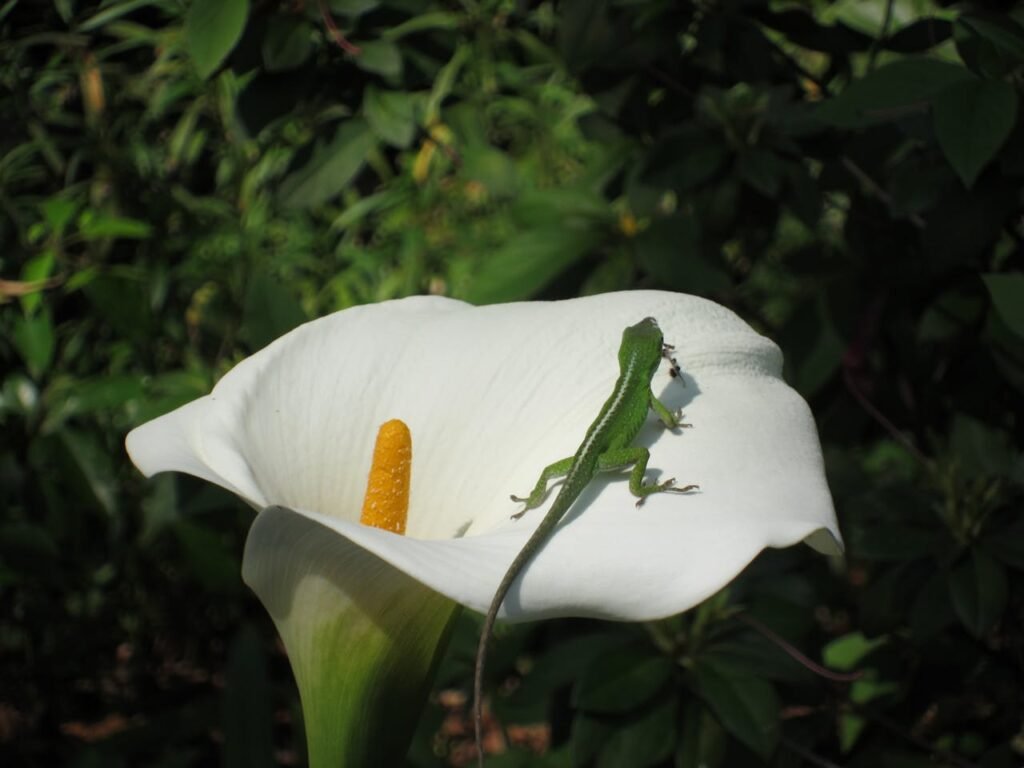
Photo by Boots Davidovitch
Easter lilies, Asiatic lilies, tiger lilies, stargazer lilies, daylilies, wood lilies—every single true lily is catastrophically toxic to cats. Even tiny exposures cause complete kidney failure. We’re talking about licking pollen off fur, drinking vase water, or nibbling a single leaf.
I’ve watched cats die from lily poisoning despite aggressive treatment. The mortality rate is high even with immediate veterinary intervention. There is no safe amount of lily exposure for cats. Period.
What to do if exposure happens: This is a drop-everything emergency. Get to a vet or emergency clinic within 2-4 hours for the best chance of survival. Every minute counts.
Tulips and Daffodils – Spring Bulb Dangers

Photo by Joelle Harms
The bulbs of these popular spring flowers contain the highest concentration of toxins, but all parts can cause problems. Tulips cause vomiting, diarrhea, drooling, and in severe cases, cardiac issues.
Daffodils (narcissus) cause similar symptoms plus potential cardiac arrhythmias and respiratory depression.
Azaleas and Rhododendrons – Garden Killers
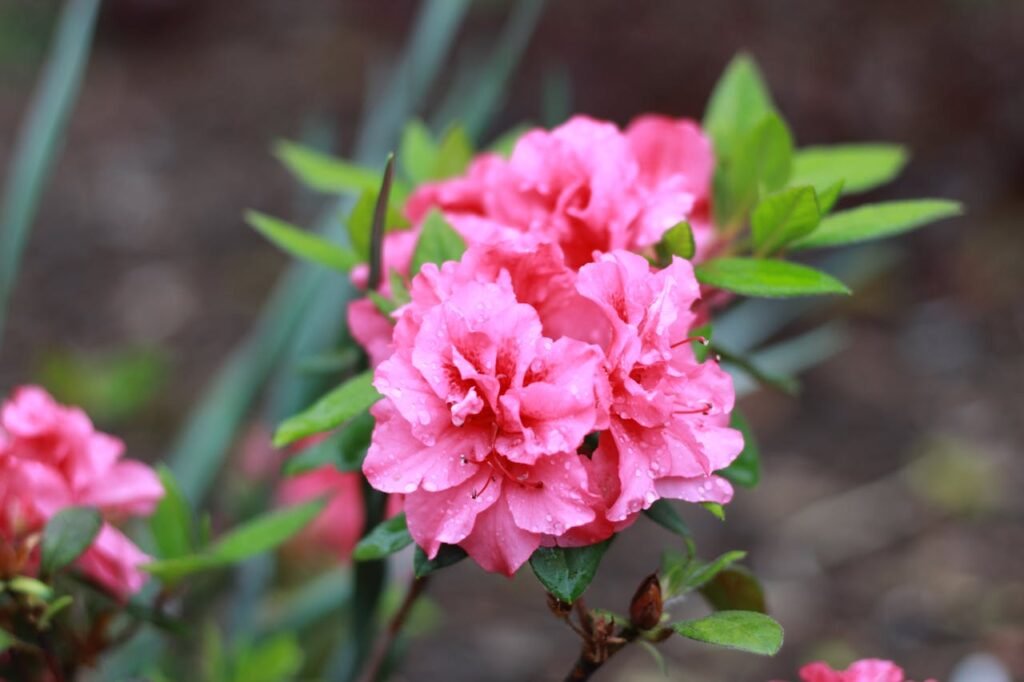
Photo by Lin Tercero from Pexels
These common landscaping shrubs contain grayanotoxins that affect the heart, digestive system, and central nervous system. Even a few leaves can cause life-threatening poisoning.
Symptoms include vomiting, diarrhea, drooling, weakness, cardiac failure, and potentially death.
Carnations – Mild But Still Toxic
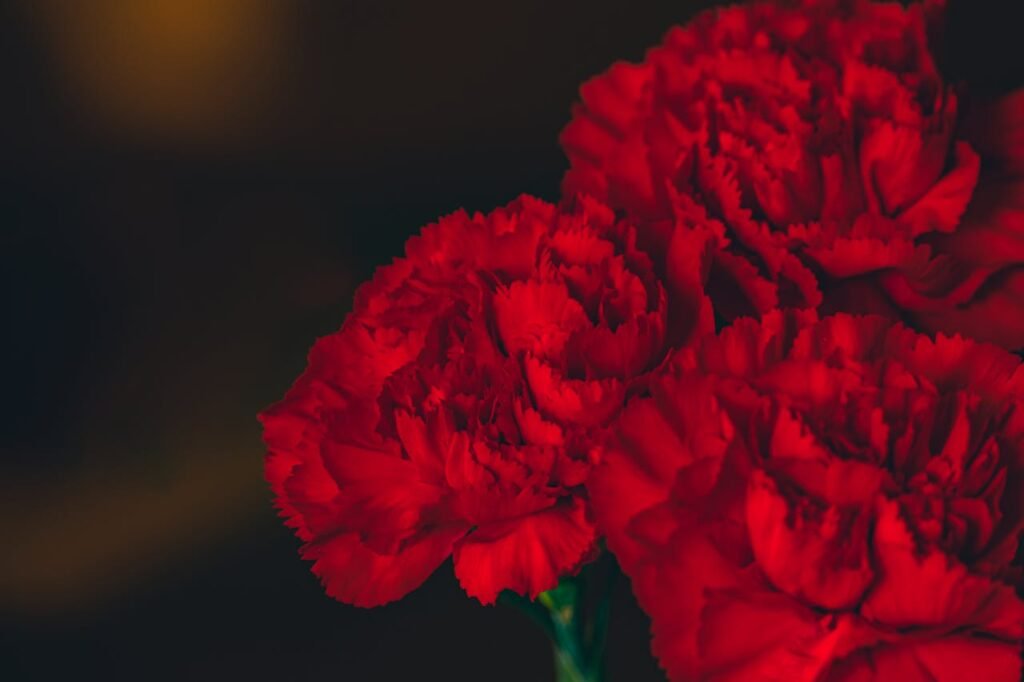
Photo by Tatjana
Carnations cause mild to moderate gastrointestinal upset in cats—vomiting, diarrhea, and drooling. They’re nowhere near as dangerous as lilies, but they’re not safe either. Why risk even mild illness when gorgeous safe alternatives exist?
Chrysanthemums – Common and Toxic
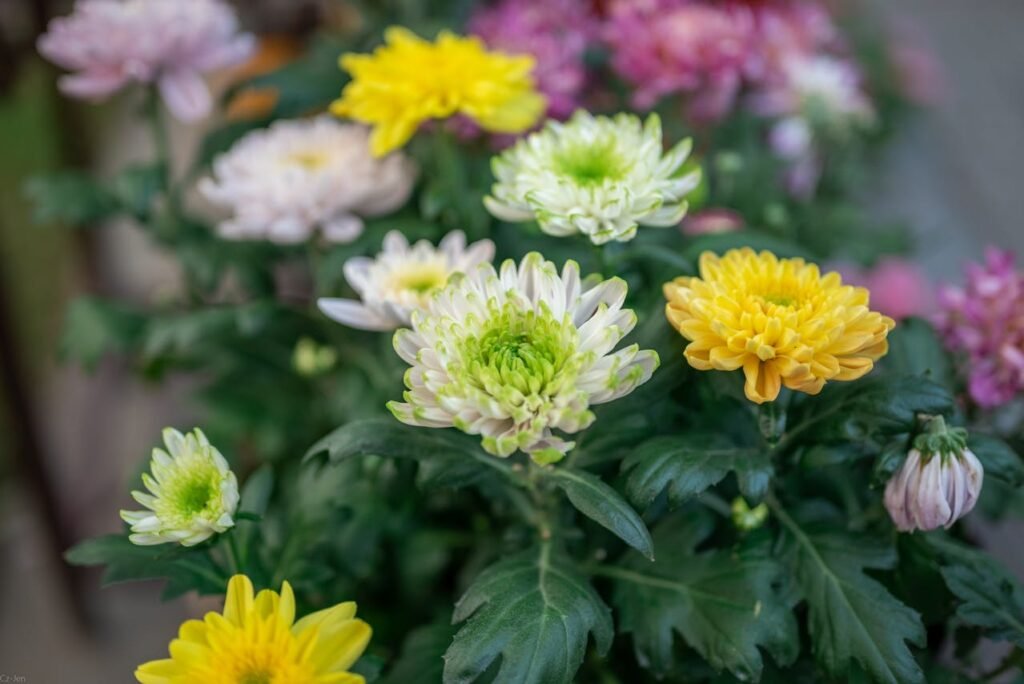
Photo by Cz Jen
Mums are everywhere in fall arrangements and garden centers. They contain pyrethrins (natural insecticides) that cause vomiting, diarrhea, drooling, incoordination, and dermatitis in cats.
Other Dangerous Flowers to Avoid
Highly toxic:
- Sago palm (not a flower, but often in arrangements)
- Oleander
- Foxglove
- Autumn crocus
- Cyclamen
Moderately toxic:
- Gladiolus
- Hyacinth
- Iris
- Baby’s breath (mild irritant)
Building Your Perfect Cat-Safe Bouquet
The Florist Script That Saves Lives
When I order flowers, here’s my exact conversation:
“I need a bouquet with absolutely no lilies—any type of lily at all. I have cats at home, so everything needs to be cat-safe. Roses, sunflowers, orchids, and snapdragons are perfect. Can you confirm every flower and all the greenery is non-toxic to cats before making it?”
Most florists appreciate the specific guidance. If they seem annoyed or can’t confirm safety, I find a different florist. Period.
Gorgeous Cat-Safe Combination Ideas
Romantic Classic: Red roses + white lisianthus + purple asters = timeless elegance, zero toxicity
Bright and Cheerful: Sunflowers + gerbera daisies + snapdragons = bold color, completely safe
Elegant Modern: White orchids + white roses + wax flowers = sophisticated and cat-friendly
Garden Fresh: Mixed color roses + freesia + alstroemeria = fragrant and safe
What About Greenery?
This is where people often slip up. The flowers might be safe, but toxic greenery sneaks in.
Safe greenery options:
- Boston fern
- Spider plant
- Areca palm fronds
- Bamboo
Toxic greenery to avoid:
- Eucalyptus (very common, very toxic)
- Ivy (English ivy especially)
- Asparagus fern
- Ferns (many varieties are toxic)
Always ask your florist to specify greenery types and verify safety.
Smart Placement Strategies
Even safe flowers need smart placement to prevent issues.
Height wins every time: Place vases 5+ feet high—tall bookcases, wall-mounted shelves, high mantels. Most cats won’t bother with flowers they can’t easily reach.
Stability matters: Use heavy, wide-based ceramic or glass vases. I learned this after my lightweight vase crashed at 2 AM during a midnight zoomies session.
Deterrents that actually work:
- Double-sided tape around vase bases (cats hate sticky paws)
- Motion-activated air sprayers (harmless puff of air)
- Citrus-scented sachets nearby (many cats dislike citrus)
Prevention Beyond Flower Choice
Give Your Cat Better Options
The best prevention is offering appropriate alternatives to flower chewing.
Cat grass is magic: I grow wheatgrass or oat grass specifically for my cats. Most flower-chomping cats will switch to their designated grass patch. Refresh weekly.
Enrichment beats restriction: Puzzle feeders, interactive toys, cat trees, and window perches keep cats busy and less interested in your bouquets.
One client eliminated all plant destruction by adding a bird feeder outside the window where her cat’s favorite perch sits. Turns out the cat was just bored.
Talk to Gift Givers
Make it easy for people who send you flowers:
“I have cats, so I can’t accept lilies or toxic flowers. Roses, sunflowers, and orchids are perfect! Just ask the florist to confirm everything is cat-safe.”
Post this on your social media before major flower-giving holidays. Prevention beats treatment every single time.
What to Do If Your Cat Eats Flowers
Even with safe flowers, overconsumption can cause mild stomach upset.
For safe flowers (mild symptoms):
- Remove access to all flowers immediately
- Monitor for 4-6 hours watching for vomiting or diarrhea
- Ensure water is available
- Call your vet if vomiting persists beyond a few hours
For toxic flowers (ANY exposure):
- Remove cat from area immediately
- Photograph the flowers
- Call ASPCA Poison Control (888-426-4435) or go directly to emergency vet
- Do NOT wait for symptoms—treatment works best when started early
For lilies specifically: This is a drop-everything emergency. Get to a vet within 2-4 hours. Bring the plant or photos if possible.
Frequently Asked Questions
Your essential guide to roses and cat safety
Roses are non-toxic, so eating petals won’t poison your cat. However, they can cause mild stomach upset if eaten in quantity, and thorns can cause injuries. Rinse roses to remove pesticides and remove thorns before bringing them inside.
Yes, but choose only verified safe flowers like roses, sunflowers, and orchids, and place them 5+ feet high where your cat can’t reach. Consider offering cat grass as an appropriate alternative to redirect chewing behavior.
All true lilies (Easter, Asiatic, tiger, stargazer, daylilies) are the most dangerous. Even tiny exposures cause kidney failure and are often fatal despite treatment. Never have lilies anywhere near cats.
Not usually. Most contain mixed flowers including toxic varieties like carnations, chrysanthemums, or lilies. Buy individual bunches of verified safe flowers and arrange them yourself, or order from florists who can confirm every plant is cat-safe.
Check the ASPCA’s toxic and non-toxic plant database at aspca.org. When in doubt, don’t bring the flower home. If ordering, explicitly ask the florist to confirm every flower and greenery type is non-toxic to cats.
Save the ASPCA database link on your phone before shopping for flowers.
No. Potpourri usually contains essential oils (toxic to cats), synthetic fragrances (respiratory irritants), and often includes toxic dried plants. Dried plant material can also cause intestinal blockages if eaten.
Cat-safe options include: Roses (thornless varieties), sunflowers, snapdragons, asters, and cat-safe herbs like cat grass, catnip, and cat thyme.
Lilies, tulips, daffodils, azaleas, and any plants toxic to cats.
True allergies are rare, but irritation from pollen or pesticide residue is possible. Signs include: sneezing, watery eyes, or skin itching. If symptoms appear, remove flowers and contact your vet if they persist.
Silk or plastic flowers aren’t toxic, but they present a foreign body obstruction risk if chewed and swallowed. If your cat is a chronic chewer, keep artificial flowers out of reach or skip them entirely.
Most cat-safe flowers are also dog-safe, including roses, sunflowers, orchids, snapdragons, gerbera daisies, and asters. The ASPCA database lists toxicity for both species—check before buying.
The Bottom Line on Cat-Safe Flowers
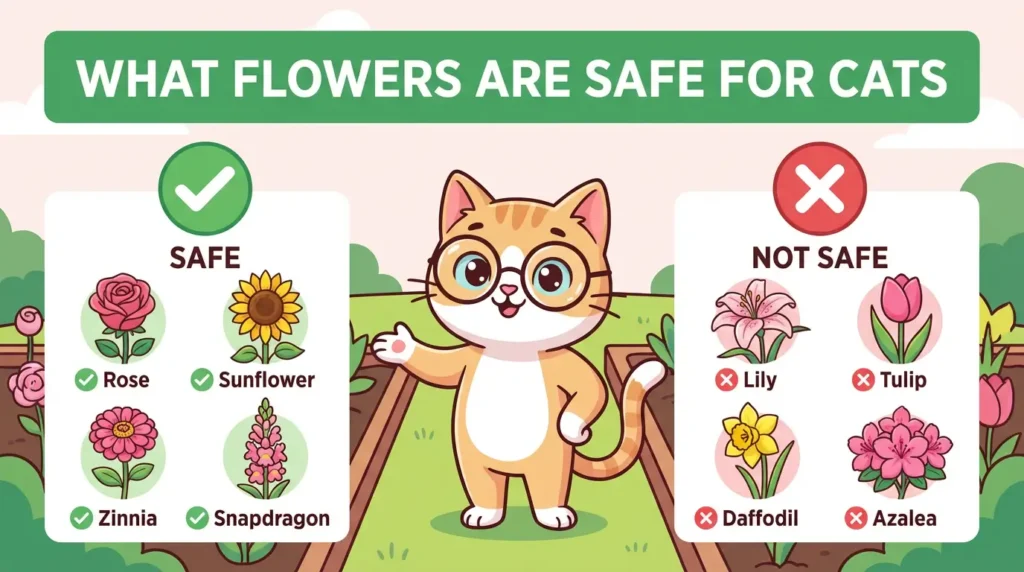
Look, I’m not going to pretend that navigating flower safety is simple when you first start. The lists seem endless, the names are confusing, and every bouquet feels like a potential hazard. But here’s what fifteen years of practice has taught me: Once you know your safe favorites, this becomes second nature.
Roses, sunflowers, orchids, snapdragons, gerbera daisies—these become your go-to flowers. You stop even considering lilies, tulips, or carnations. You automatically ask florists to confirm safety. And suddenly, you have a home full of beautiful blooms without that constant background anxiety.
The key principles are simple: Know your safe list. Avoid lilies like they’re radioactive. Verify every flower before bringing it home. Place arrangements strategically high. Offer appropriate alternatives like cat grass.
Your cat doesn’t need to choose between you enjoying flowers and staying alive. Smart choices mean everyone wins—gorgeous blooms for you, healthy kidneys for your cat, and zero emergency vet visits.
Just reach for the sunflowers instead of the lilies, and we’ll never have to have that heartbreaking conversation in my exam room.
Sources:
- ASPCA Animal Poison Control: Toxic and Non-Toxic Plant Database
- Pet Poison Helpline: Flower Toxicity Data (2020-2026)
- Journal of Veterinary Emergency and Critical Care: Plant Poisoning Case Studies
- What Flowers Are Poisonous to Cats? Full Safety Guide
- Are Carnations Toxic to Cats? Dangerous Facts to Know
- Can Cats Eat Roses? Safety Facts You Should Know
- Are Roses Toxic to Cats? Vet Guide 2026
- Are Roses Safe for Cats? The Complete Truth About Roses and Cat Safety
This article is for informational purposes only. If your cat shows signs of poisoning, contact your veterinarian or emergency clinic immediately.