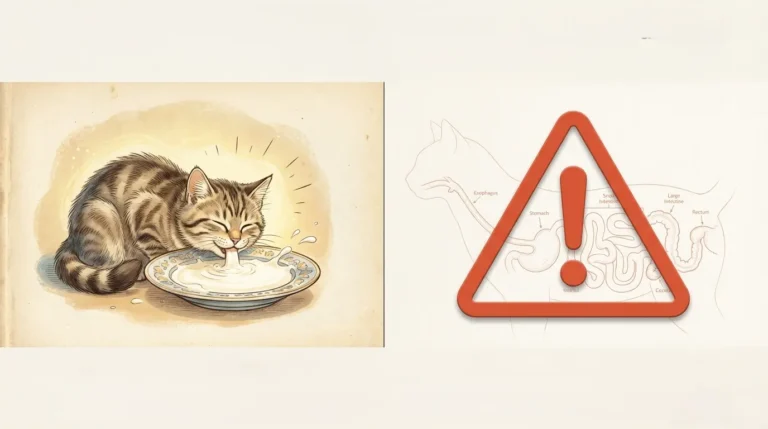
What Human Foods Can Cats Eat Safely?
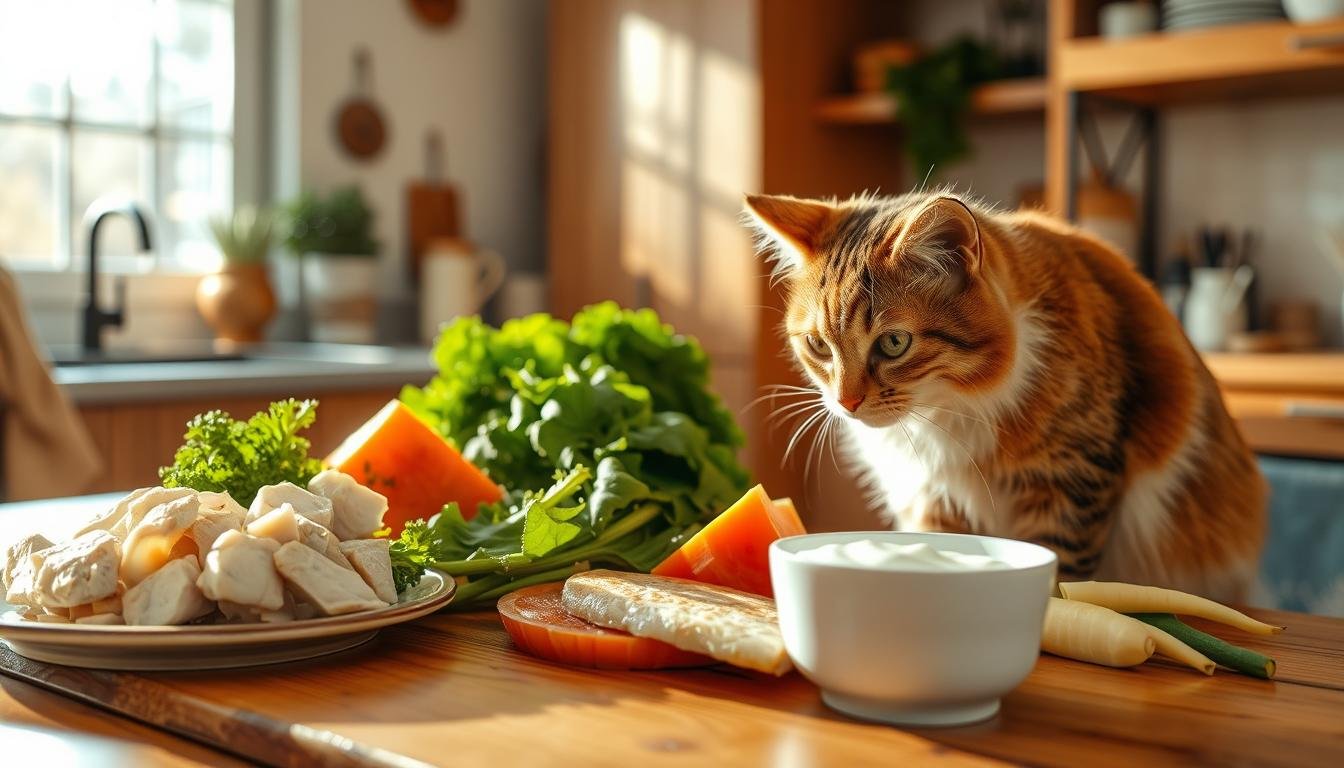
Ever thought about what snacks from your kitchen are safe for your cat? And which ones could be harmful?
This guide tells you when it’s okay to give your cat human food. It also shows how to do it safely. Most cat food is good, but some human foods can be healthy treats if given right.
We’ve used advice from the American Veterinary Medical Association and others. You’ll learn about safe foods, how much to give, and when to call a vet. It’s all about keeping your cat healthy.
Table of Contents
Table of Contents
what human foods can cats eat
Choosing the right human foods for your cat is key. Cats need animal protein, taurine, and vitamin A. Commercial cat food is a good start. But, use human foods only as treats, not as a main meal.
Understanding your cat’s nutritional needs
Your cat’s needs change with age and health. Kittens and pregnant cats need more protein. Seniors or cats with kidney disease may need less protein.
Choose cooked animal proteins for treats. They should be low in carbs and sodium. Commercial cat food fills in the gaps that home foods can’t.
How to judge portion sizes for treats
Treats should be 10% of your cat’s daily calories. For a 10-lb cat, that’s a small spoonful of lean meat. A teaspoon to a tablespoon of chicken or turkey is good too.
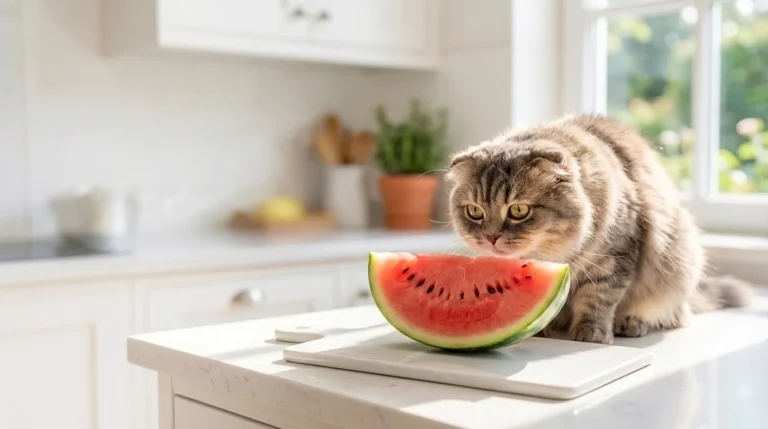
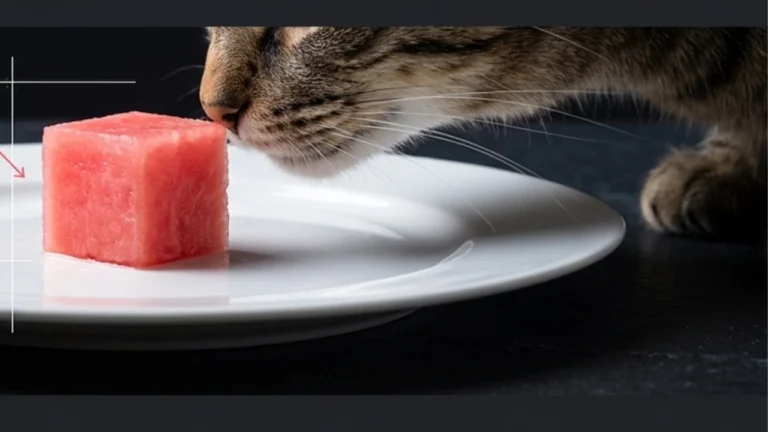
For example, a small spoonful of scrambled egg is okay. A tablespoon of fruit is a sweet treat. Give human foods one to three times a week, depending on your cat’s needs.
Signs of intolerance or allergic reactions
Watch for vomiting, diarrhea, or drooling after new foods. Skin or ear issues like itching or hair loss can be allergies. Sneezing or wheezing is rare but possible.
Behavioral changes like lethargy can also be a sign. If you see severe vomiting, diarrhea, or swelling, stop feeding and call your vet. Keep a log of new foods and reactions to find problem foods.
Safe proteins from the kitchen: meats, fish, and eggs
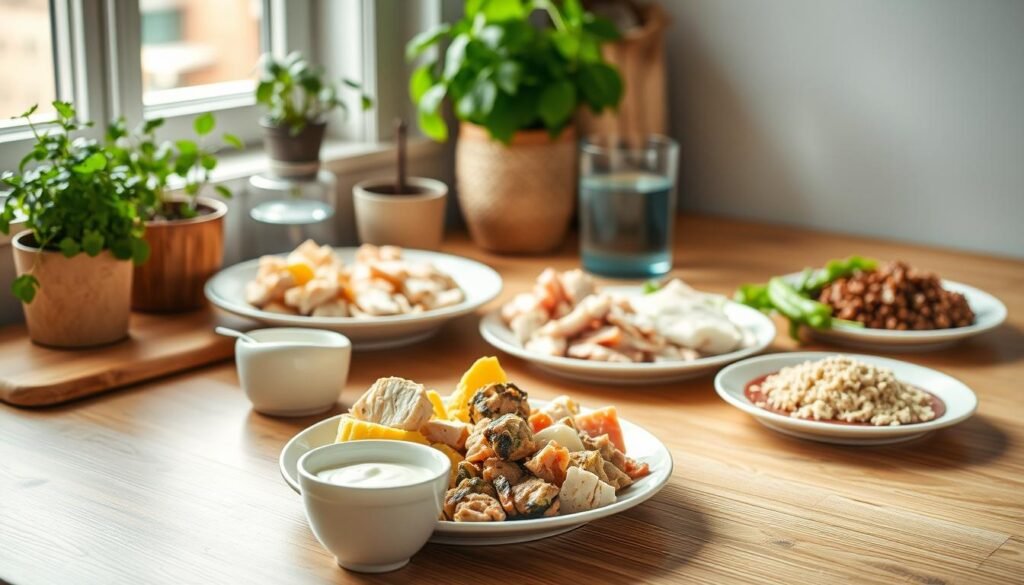
You can add certain cooked proteins to your cat’s diet as treats or toppers. Choose plain, cooked foods and small portions. This keeps meals balanced with commercial diets. Use this guide to add more safe foods to your cat’s diet without upsetting their stomach or balance.
Cooked lean meats
Give your cat skinless, boneless chicken or turkey, lean beef, and small amounts of pork. Make sure they are fully cooked and unseasoned. Remove bones, skin, and excess fat before serving. Cut into bite-sized pieces for easy chewing.
These meats offer high-quality protein and essential amino acids like taurine. They also have B vitamins. Keep portions small to avoid too many calories. If you often give homemade meals, talk to a vet nutritionist to avoid nutrient deficiencies.
Fish: occasional treats
Cooked salmon, cod, haddock, or tuna in water are okay as treats. Avoid raw or smoked fish because of parasites and thiaminase enzymes. Canned tuna should be rare and small because it’s not complete nutrition and may have mercury.
Limit fish to once a week or less to avoid thiamine deficiency and mercury buildup. Always remove bones and serve plain, without oils or seasoning.
Eggs: prepared safely
Fully cooked eggs—hard-boiled or scrambled without oil, milk, butter, or seasoning—are a good protein boost. They provide amino acids and vitamins that complement your cat’s regular diet.
Serve small portions, like one to two tablespoons for an average adult cat, as an occasional topper or treat. Never give raw eggs because of salmonella risk and avidin in raw whites that can affect biotin absorption.
Special considerations
Watch for allergic reactions when introducing new proteins. If your cat shows vomiting, diarrhea, itching, or changes in behavior, stop the food and consult your veterinarian. Use human foods for cats sparingly and keep most calories from a complete, taurine-rich commercial diet.
| Protein | Safe preparation | Suggested frequency | Notes |
|---|---|---|---|
| Chicken (skinless, boneless) | Fully cooked, no seasoning, small pieces | Occasional, as treat or topper | Good source of taurine and B vitamins; trim fat |
| Turkey (skinless, boneless) | Fully cooked, plain, deboned | Occasional | Lean option; avoid deli-style processed turkey |
| Lean beef | Cooked through, unseasoned, small pieces | Occasional | High-quality protein; limit fatty cuts |
| Pork (lean) | Fully cooked, plain, trimmed of fat | Rarely, small amounts | Higher fat increases pancreatitis risk if overfed |
| Salmon, cod, haddock | Cooked thoroughly, boneless, plain | Once weekly or less | Occasional due to mercury and nutrient imbalance risk |
| Tuna (canned in water) | Small, plain portions only | Rare treat | Not a balanced diet; watch mercury levels |
| Eggs (cooked) | Boiled or scrambled, no oil or seasoning | Occasional | Highly digestible protein; offer small portions |
| Commercial cooked toppers (e.g., Weruva, Tiki Cat) | Use as directed; check sodium and additives | As label allows | Veterinary-approved brands exist; read ingredients |
Fruits and vegetables cats can eat safely
Cats are meat-eaters, so fruits and veggies should be treats, not main dishes. Give them small, plain, seedless pieces without sugar, salt, or spices. Only give them plant-based snacks sometimes to keep their digestion and calorie intake balanced.
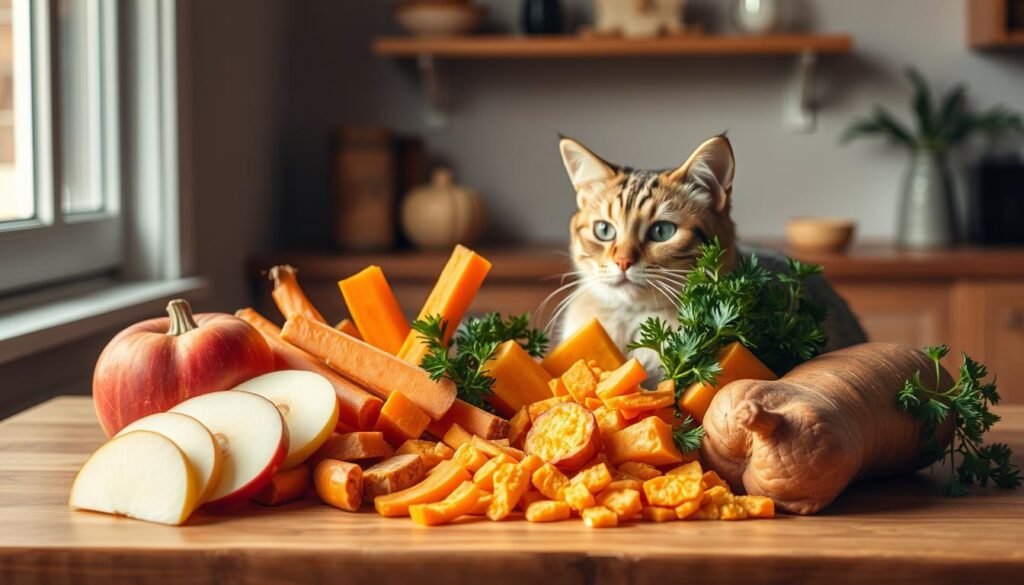
Here are some safe options and rules to pick cat-friendly foods. Start with a small amount, like a teaspoon, and watch for any changes in your cat’s behavior or health.
Cat-friendly fruits: safe options and serving guidelines
- Apple: Peel, remove seeds, serve a tiny diced piece. Apples give vitamins and mild fiber.
- Banana: Offer one small slice rarely. Bananas supply potassium and a bit of sweetness.
- Blueberries: Single berries make good enrichment and antioxidants. Use sparingly.
- Cantaloupe: Small diced amounts can encourage hydration and provide vitamins A and C.
Vegetables that provide fiber and nutrients
- Cooked pumpkin: One teaspoon of plain canned pumpkin can firm stools and ease digestion.
- Steamed carrots: Soft, diced pieces offer beta-carotene and crunch-free texture.
- Cooked green beans and peas: Small, soft portions add fiber and low calories.
- Steamed zucchini: Mild flavor and easy digestion when soft-cooked.
Foods to avoid in produce: toxic fruits and vegetables
- Grapes and raisins: Linked to kidney failure in cats; avoid entirely.
- Apple seeds, cherry pits, peach and apricot pits: Contain cyanogenic compounds; remove all seeds and pits.
- Raw or green tomatoes and unripe potato parts: Contain solanine; do not feed.
- Alliums (onions, garlic, chives): Cause red blood cell damage; keep out of reach.
- Avocado: Contains persin and may be harmful; avoid feeding.
When preparing treats, peel and remove seeds or pits, cook or steam veggies until soft, and let food cool before offering. Avoid canned produce with added salt or seasonings.
| Item | Safe Serving | Main Benefit | Notes |
|---|---|---|---|
| Apple (peeled) | 1 teaspoon diced | Vitamin C, fiber | Remove seeds and core |
| Banana | 1 thin slice | Potassium, energy | Use rarely due to sugar |
| Blueberries | 1 berry | Antioxidants | Good for enrichment |
| Cantaloupe | 1 tablespoon diced | Hydration, vitamins | Remove rind and seeds |
| Plain canned pumpkin | 1 teaspoon | Fiber to firm stools | No added sugars or spices |
| Steamed carrots | 1 teaspoon diced | Beta-carotene | Cook until soft |
| Cooked green beans | 1 teaspoon chopped | Low-calorie fiber | Serve plain and soft |
| Peas | 1 teaspoon | Fiber, small protein | Cooked and mashed if needed |
| Zucchini (steamed) | 1 teaspoon | Moisture and mild vitamins | Serve soft to avoid choking |
| Grapes / Raisins | Not safe | Risk of kidney failure | Avoid completely |
| Alliums (onion, garlic) | Not safe | Damages red blood cells | Keep out of all meals |
| Avocado | Not recommended | Contains persin | Avoid feeding |
When choosing treats, pick healthy human foods for cats that help with hydration and fiber. Use cat-friendly foods sparingly to keep your cat safe and happy.
Dairy and alternatives: what really works for your cat
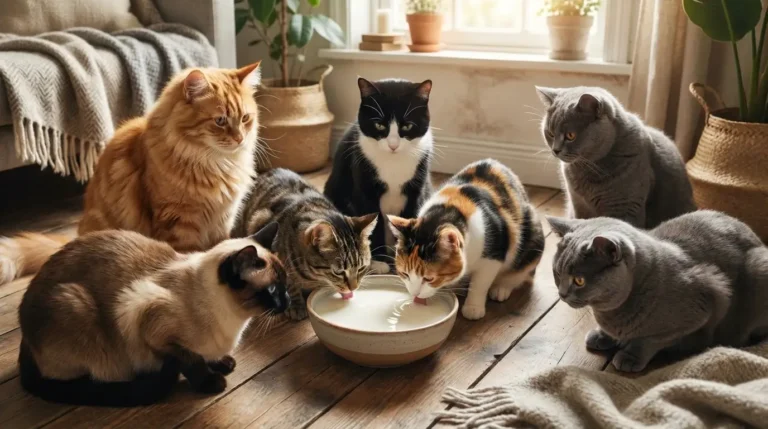
Many people wonder if cats can eat human food like milk and cheese. Adult cats often lose the enzyme lactase after they stop nursing. This makes cow’s milk hard to digest, leading to diarrhea, gas, or stomach pain.
How well a cat can handle milk varies. Some cats can have a little milk without issues. But others might get sick fast. Always watch your cat after introducing new foods and stop if they show signs of illness.
Why many adult cats are lactose intolerant
Most cats lose lactase as they get older. This means they can’t digest lactose in regular milk. The undigested lactose gets fermented by gut bacteria, causing gas and watery stools. This is why many cats can’t handle milk well.
Safe dairy options and lactose-free choices
For dairy, choose products made for cats. Commercial cat milk and PetAg Cat-Lac are good options. Hard cheeses like cheddar or Swiss and plain Greek yogurt might also be okay. But give them in small amounts and watch your cat closely.
Avoid cow’s milk and ice cream because they have too much sugar and lactose. Use lactose-free pet milk as an occasional treat, not as a regular meal.
Non-dairy treats that mimic the texture and taste
If your cat can’t handle dairy, there are other tasty options. Low-sodium meat broths without onion or garlic are good. Pureed cooked chicken or mashed pumpkin also offer a smooth texture that cats like.
Commercial dairy-flavored, lactose-free toppers and lickable treats can also be used. They mimic the creamy feel of dairy without the lactose. Use these as rewards to avoid upsetting your cat’s stomach.
| Option | What it is | Benefits | How to serve |
|---|---|---|---|
| Commercial cat milk | Low-lactose milk for cats | Formulated for feline digestion; safe in small amounts | Offer a tablespoon as an occasional treat; watch stool |
| Hard cheeses | Cheddar, Swiss | Lower lactose; high palatability | Tiny cubes once in a while; not daily |
| Plain Greek yogurt | Strained yogurt with less lactose | Protein-rich; may aid probiotics | One teaspoon mixed into food as a treat |
| PetAg Cat-Lac or similar | Lactose-reduced milk supplement | Veterinary-recommended option for sensitive cats | Follow label; use sparingly |
| Low-sodium meat broth | Chicken or beef broth without onion/garlic | Mimics savory, creamy taste; hydrating | Drizzle over food or offer a teaspoon as a treat |
| Pureed meat or pumpkin | Non-dairy texture alternatives | Safe, nutritious, and easy to digest | Small spoonfuls as occasional rewards |
| Dairy-flavored cat toppers | Commercial lactose-free creamy treats | Satisfies texture preference without lactose | Use per package directions; limit frequency |
Remember, human foods should be rare for cats. Keep dairy and substitutes as small, infrequent treats. If your cat shows signs of intolerance, stop the item and consult your veterinarian before trying other human foods for cats.
Human foods that are dangerous or toxic to cats
It’s important to know which foods are harmful to your cat. Knowing which foods are safe helps avoid accidents and keeps your home safe.
Common toxic foods: onions, garlic, chocolate, grapes, and raisins
Onions, garlic, chives, and leeks can harm your cat’s red blood cells, leading to anemia. Even a little bit or powdered seasoning is dangerous. Chocolate, especially dark chocolate, can cause tremors, seizures, and a fast heart rate.
Grapes and raisins can hurt your cat’s kidneys. It’s best to keep them away from cats. Macadamia nuts can upset your cat’s stomach and may cause pancreatitis. Make sure to keep these items out of your cat’s reach.
Artificial sweeteners, alcohol, and caffeine risks
Xylitol is very dangerous for dogs and can harm cats too. It can cause low blood sugar and liver problems. Avoid products with artificial sweeteners. Alcohol can make your cat feel sick, have low body temperature, and trouble breathing. Caffeine can make your cat restless, have a fast heartbeat, and muscle tremors.
Household foods that can cause choking or digestive obstruction
Cooked bones can splinter and hurt your cat’s digestive tract. Raw bones can have bacteria. Hard candies, gum, rawhide, and plastic can choke your cat or block their intestines. Long items like dental floss, tinsel, and food ties can cut through your cat’s intestines.
Also, avoid high-salt snacks, deli meats, and fast food. Too much salt can poison your cat. Greasy or rich foods can cause pancreatitis. Never give your cat human pain relievers like acetaminophen or ibuprofen; they are very toxic.
If you think your cat ate something toxic, call your vet, the Pet Poison Helpline at 855-764-7661, or ASPCA Animal Poison Control at 888-426-4435. They will tell you what to do next.
How to introduce human foods safely and responsibly
Start with a small amount when trying new foods. Give a pea-sized amount at room temperature. Watch your cat for 24–72 hours for any signs of trouble.
Give small portions and soft textures to avoid choking. Cut foods into tiny pieces and avoid spices, bones, and sauces. Keep a log of what you try, how much, and any reactions. This helps you and your vet make better choices.
Gradual introduction and observation checklist
Keep a simple checklist after the first taste. Look for changes in appetite, stool, vomiting, skin, grooming, and behavior. If you notice anything odd, stop the food and call your vet.
Record the date, food, and portion size. This helps track trends and gets better advice from your vet when needed.
How often to offer human foods and portion control
Limit treats and table scraps to under 10% of daily calories. This balance ensures a complete diet. Use the human food guide for cats to choose nutritious options without extra calories.
Adjust the limit for kittens, seniors, overweight cats, and those with diabetes. These cats often need stricter control or may need to avoid certain foods.
Use small servings for training and enrichment. Try scatter feeding, treat puzzles, or toppers to slow intake and add mental stimulation without large portions.
When to consult your veterinarian before feeding
Talk to a vet before introducing new foods if your cat has diabetes, kidney disease, liver issues, obesity, or known food allergies. A vet can help adapt the human food guide for cats to your pet’s life stage and health.
Seek urgent care for severe vomiting, persistent diarrhea, blood in stool or vomit, swelling, trouble breathing, or sudden lethargy. For regular home-cooked meals, consult a board-certified veterinary nutritionist to ensure balanced nutrition.
| Step | Action | Why it matters |
|---|---|---|
| 1 | Offer pea-sized portion at room temperature | Limits digestive upset and reduces choking risk |
| 2 | Introduce one food every 24–72 hours | Makes it easier to identify intolerances |
| 3 | Keep treats ≤10% of daily calories | Maintains balanced nutrition and healthy weight |
| 4 | Use food puzzles or toppers for servings | Controls intake and provides enrichment |
| 5 | Log foods, portions, and any symptoms | Supports clear veterinary diagnosis if problems arise |
| 6 | Consult vet for pre-existing conditions or severe reactions | Protects cats with health risks and ensures safety |
Conclusion
You can give your cat some human foods as treats if you know what’s safe. Choose plain, boneless, lean meats, small fish, eggs, fruits, and veggies. Make sure they are lactose-free. Keep the portions small to keep your cat’s diet balanced.
Always remember the rules. Treats should not make up more than 10% of your cat’s daily calories. Avoid foods like onions, garlic, chocolate, grapes, raisins, xylitol, alcohol, and caffeine. Start new foods slowly to watch for any bad reactions.
If you’re unsure or want to change your cat’s diet, talk to your vet. Use resources like the Pet Poison Helpline and the ASPCA Animal Poison Control. For a custom diet plan, get help from a vet nutritionist. This way, your cat stays healthy and happy.