Why Do Cats Raise Their Backs When You Pet Them?

Ever wondered why your cat arches its back when you pet it? Is it joy, habit, or something else?
This common response happens in many situations. It can be during petting, when your cat greets you, or while stretching after a nap. In this article, you’ll learn why cats raise their backs when petted and how it relates to their behavior and body language.
Understanding why cats arch their backs helps you read their subtle signals. It strengthens your bond and helps avoid overstimulation. It also helps spot when an arch might signal pain. The explanations come from feline behavior research, veterinary observations, and insights from animal behaviorists.
Table of Contents
Key Takeaways
- Arching is a normal part of many cats behavior when petting and greeting.
- The arched back can signal pleasure, attention-seeking, or a reflexive stretch.
- Reading cat body language as a whole—tail, ears, and eyes—improves accuracy.
- Sometimes arching may indicate discomfort; context and repetition matter.
- Learning why do cats raise their backs when you pet them helps you respond safely and kindly.
Why Do Cats Raise Their Backs When You Pet Them
When your cat lifts its back, it’s a mix of nerves and learning. A simple touch can turn into a full-body response. This is because of the way nerves react, learning from rewards, and each cat’s unique personality.
Immediate sensory response
Touching the spine activates sensitive nerves. This leads to a stretch reflex, causing many cats to arch their back. They might even press into your hand to feel more.
Not all back arches mean happiness. Raised fur can show excitement or fear. Look for relaxed muscles and slow blinking to understand their mood.
Positive reinforcement and learned behavior
Cats learn quickly. If they arch their back and get more pets or treats, they do it more. This creates a cycle of behavior and reward.
For example, cats that get regular, gentle petting will arch more often. This shows how petting and rewards shape their behavior.
Breed and individual variation
Genetics and personality influence how often a cat arches. Some breeds, like Ragdolls and Siamese, are more likely to do it. Shy cats might arch less.
Age, socialization, and past experiences also play a part. Each cat’s history makes their response unique, blending instinct and learning.
| Factor | How it affects the arch | Signs to watch |
|---|---|---|
| Touch location | Pressure at the lower back and tail base triggers strong reflexes | Forward push into your hand, spine rubs |
| Reinforcement | Positive outcomes make arching a soliciting behavior | Repeated arching after petting sessions |
| Breed traits | Some breeds display more tactile friendliness | Frequent arching in social breeds like Ragdoll |
| Individual history | Socialization and age alter responsiveness | Older or poorly socialized cats may arch less |
| Emotional state | Relaxed pleasure vs. arousal or defensiveness | Relaxed muscles and slow eyes vs. raised fur |
Understanding cat body language when being petted
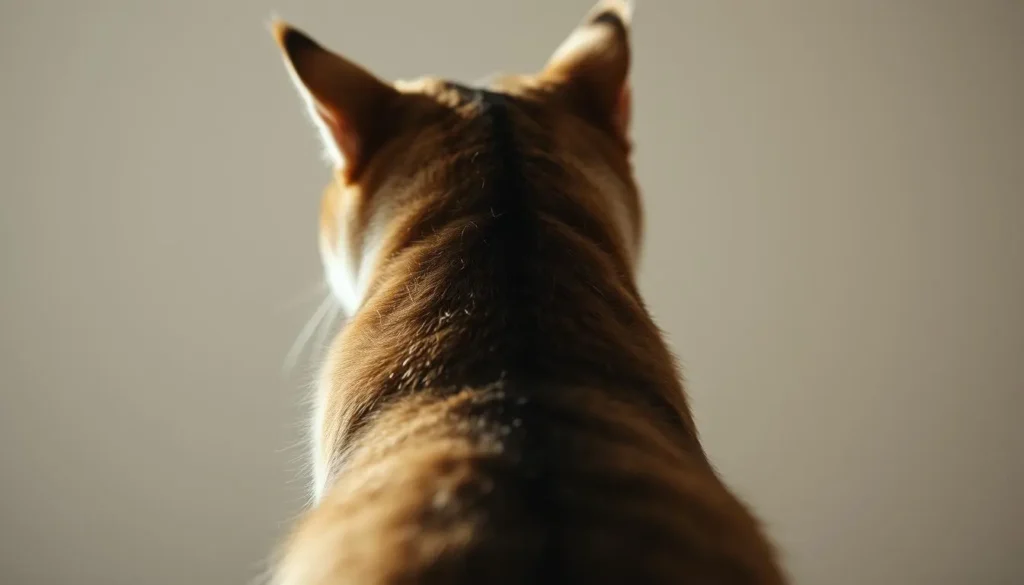
When a cat arches its back, look for small cues. Reading cat communication signals together helps you understand what they want. Notice posture, tail, ears, eyes, and sounds to grasp cat behavior.
Common associated signals: tail, ears, eyes
The tail often matches an arched back. An upright tail usually means friendliness and wanting contact. A twitching or thumping tail warns you to stop.
Ears also tell a lot about mood. Forward or relaxed ears show comfort. Flattened or rotated ears mean stress or defense.
Eye cues are important too. Slow blinks and half-closed eyes show relaxation. Wide, staring eyes mean high arousal or fear. Combine these with the arch to understand their intent.
Combining posture with vocalizations
Vocal signals add context to posture. Purring often means pleasure-based arching. Hissing, growling, or yowling means distress or pain and needs caution.
Remember, cats sometimes purr when stressed or in pain. Match vocal cues with body posture and facial signals to avoid misreading your cat communication signals.
Distinguishing pleasure from overstimulation
Signs of pleasure include leaning into your hand, actively seeking more contact, relaxed whiskers, and soft vocalizations. These are safe cues to continue gentle petting.
Watch for overstimulation signals: sudden tail flicks, visible skin rippling along the back, quick tensing, a snap bite or swat, and dilated pupils. When you see these, stop or change your approach to prevent escalation.
| Signal | Pleasure indication | Overstimulation or distress |
|---|---|---|
| Tail | Upright, relaxed, gentle sways | Twitching, thumping, rapid lashes |
| Ears | Forward or relaxed | Flattened, rotated backward |
| Eyes | Slow blinks, half-closed | Wide, fixed stare; dilated pupils |
| Vocalizations | Soft purring, quiet chirps | Hissing, growling, yowling, sharp yelp |
| Body response | Leaning in, relaxed muscles | Skin rippling, sudden tensing, quick bite/swat |
Biological reasons: anatomy and reflexes in feline behavior
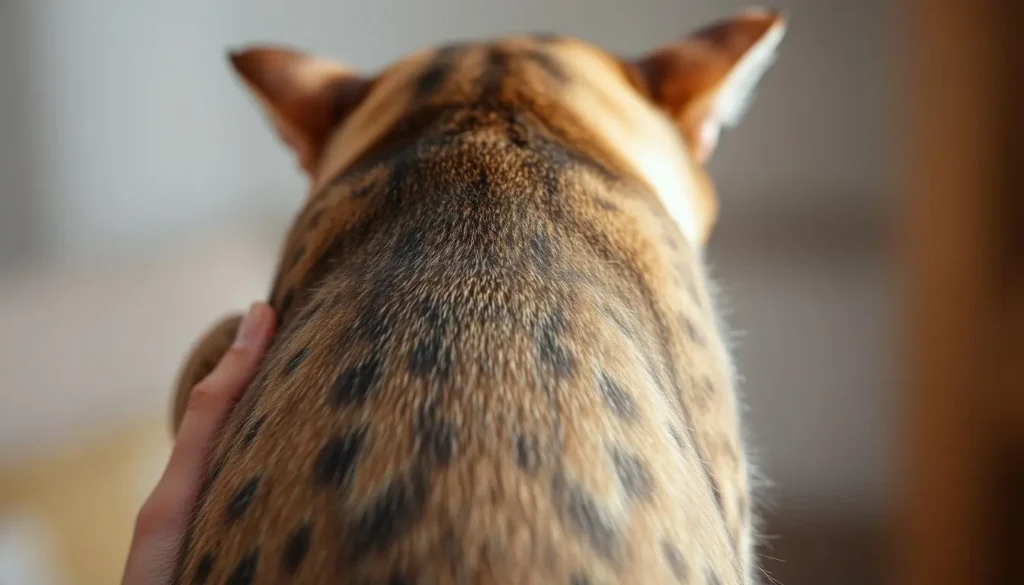
Your cat arches due to their anatomy and reflexes. Their flexible spine and strong muscles make bending easy. When you stroke them, stretch receptors in their back fire, causing a quick contraction that lifts their spine.
Spinal musculature and stretch reflex
Cats have vertebrae made for agility. Their paraspinal muscles support quick shape changes, from stretches to arches. Petting can trigger a stretch reflex, making their spine rise like an elevator when they wake or play.
Grooming and scent-exchange context
Cats have scent glands near their tail and flanks. When they arch and press against you, they spread their scent and strengthen your bond. This behavior is also seen in multi-cat homes, where animals rub to swap odors.
Hormonal and neurological triggers
Pleasant touch releases oxytocin, a bonding chemical. This makes petting rewarding and encourages more of it. If your cat feels safe, they are more likely to arch under your hand. But stress can make them less likely to arch and seek attention.
| Cause | What it does | How you can tell |
|---|---|---|
| Spinal musculature | Enables quick arching and smooth stretches | Fluid, repeatable arches during petting or waking |
| Stretch reflex | Automatic contraction from touch or movement | Short, involuntary lift of the back when stroked |
| Scent glands / grooming | Transfers odor to strengthen social bonds | Rubbing, pressing into you, and tail-base contact |
| Oxytocin and reward pathways | Reinforces petting as pleasurable behavior | Relaxed body, purring, and returning for more attention |
| Stress hormones | Suppress soliciting postures and change behavior | Flattened spine, wide eyes, tucked tail, or avoidance |
Social and communicative functions of the arched back
An arched back during petting is more than a reflex. It’s a clear invitation and a social cue. You can read this posture to better understand cat communication signals and strengthen your bond with your cat.
Soliciting attention and bonding with you
Your cat presses into your hand and raises its back to ask for more contact. This motion signals trust and a desire for closeness. Repeated arching in routine interactions builds attachment and reassures your cat that you are a friendly partner.
Signal to other cats and animals
Among cats, the same arched posture can mean different things depending on context. When paired with soft rubbing, it spreads scent and promotes social cohesion. If the arch comes with puffed fur or hissing, it warns others to keep distance. Knowing these variations helps you interpret cat body postures around other pets.
Contextual cues: where and when the behavior appears
You will notice arching at specific times: greetings at the door, morning petting, or during a lower-back scratch. The base of the tail and lower spine often trigger this response because of scent glands and nerve sensitivity. Paying attention to location and timing sharpens your understanding cat behavior in daily life.
How to respond when your cat raises its back while you pet them
When your cat arches its back while you touch it, you can turn that moment into a calm, positive exchange. Start by reading small signals and adjusting pressure, pace, and location to match your cat’s comfort.
Safe and positive petting techniques
Pet where most cats enjoy it: the head, cheeks, under the chin, and along the spine toward the tail base. Use gentle, consistent pressure and slow strokes. Many cats respond well to light, rhythmic movements rather than firm or fast rubbing.
Reward calm behavior with quiet praise or a small treat to reinforce pleasant experiences. These safe petting techniques help you learn what your cat likes and reduce the chance of overstimulation.
When to stop or change your approach
Watch for clear signs to pause: sudden tail lashing, skin ripples, tensing, flattened ears, hissing, or a quick bite attempt. If you see any of these, stop immediately and give your cat space.
If your cat seems overstimulated but not aggressive, try a short break or redirect attention to a toy or a treat. Slow, calm exits from contact help rebuild trust for the next interaction.
Encouraging healthy interaction and consent
Let your cat lead interactions. Allow them to approach you and nudge the spots they prefer. Build sessions gradually for shy or reactive cats by offering brief, predictable visits and positive reinforcement.
Over time, these practices support respectful boundaries and deepen your bond. Using safe petting techniques and paying attention to cats behavior when petting will promote encouraging healthy interaction and consent between you and your cat.
When an arched back can indicate pain or medical issues
Your cat’s arch isn’t always a sign of happiness. It can mean they’re in pain if they move guardedly or don’t like being touched in some spots. They might also meow loudly. Happy arching is soft, with purring and leaning in, and doesn’t last long.
Pain arching is stiff, lasts a while, and might be with quick or shallow breathing. Look out for other signs of trouble. If your cat limps, changes how they use the litter box, or eats less, it could be a problem. They might also hide more or move differently than usual.
Common medical causes include injuries like sprains or broken vertebrae, and problems like arthritis. Issues with the urinary tract or stomach pain can also make them arch. Older cats might arch because of nerve problems or osteoarthritis.
If your cat arches a lot or it’s new, and they show other worrying signs, see a vet fast. Your vet will check them, do tests, and maybe take X-rays or bloodwork. This helps catch problems early and get your cat feeling better sooner.
Conclusion
Wondering why cats raise their backs when petted? It’s often a sign of pleasure, linked to stretching and grooming. It can also mean they’re asking for attention or marking their scent. The context and other signs around them help figure out the reason.
To better understand your cat, pay attention to their tail, ears, eyes, and sounds while petting. Let them start the interaction and use gentle, steady strokes. If they show signs of too much excitement, like a flicking tail or sharp sounds, stop and wait for them to calm down.
If your cat starts arching their back more often, or shows other unusual behaviors, see a vet. By paying attention to their body language and being calm, you can strengthen your bond. This helps ensure your cat feels comfortable and happy.