Best Cat Diet for Urinary Tract Health: Nutrition Tips
Ever felt that knot in your chest when your cat struggles at the litter box? It’s a scary moment for pet owners. They wait anxiously in the vet’s office, hoping for the best. It shows how crucial urinary tract health is for cats.
It’s not a secret. You can make a big difference by what you feed your cat. A good diet, along with enough water and smart feeding, can prevent many problems. This includes UTIs and other serious issues.
This article will guide you on how to choose the right food for your cat diet for urinary tract health. You’ll learn when a special diet is needed and how to make simple changes. We’ll use vet nutrition advice and trusted sources like the American Animal Hospital Association.
Don’t wait. Problems with your cat’s urinary tract can be very painful and even life-threatening. The right diet and feeding can help your cat stay healthy and happy for years to come.
Table of Contents
Understanding why diet matters for feline urinary tract health
Your cat’s meals affect how much urine they make, how concentrated it is, and its chemistry. Small changes in moisture or minerals can change how often your cat urinates. This can also affect whether crystals form. A focused feeding plan helps keep the bladder environment less friendly to stones and infection.
How nutrition influences urinary tract function
Fluid from food largely determines urine dilution. Wet food raises water intake and produces more dilute urine than dry kibble. This lowers the chance of crystal formation.
Minerals such as magnesium, phosphorus, and calcium interact with urine pH to influence solubility. Struvite crystals prefer alkaline urine with higher magnesium and phosphate. Calcium oxalate crystals favor a different pH range.
Protein sources shape acid-base balance. High-quality animal proteins can support muscle while helping maintain an appropriate urinary environment. Calorie control matters too, since excess weight reduces urine frequency and raises risks.
Common urinary problems in cats related to diet
Feline lower urinary tract disease (FLUTD) is a broad category that includes idiopathic cystitis, crystals, stones, and urethral obstruction. Diet often plays a key role in these conditions.
Struvite uroliths can often be managed or dissolved with targeted feeding. Calcium oxalate stones rarely dissolve and need prevention through tailored nutrition. Recurrent crystals and sterile cystitis often trace back to low water intake and unsuitable formulations.
Risk factors you can control with feeding strategies
You can reduce risks by increasing dietary moisture, choosing urinary health cat food with balanced minerals, and avoiding dry-food-only routines. Consistent feeding schedules help stabilize urine concentration.
Weight management and portion control lower obesity-related risk. When your cat faces stress, maintain gradual, low-stress diet changes to avoid triggering idiopathic episodes. A thoughtful cat diet for urinary tract health gives you practical control over many modifiable risks.
| Issue | Dietary factor to adjust | Practical tip |
|---|---|---|
| Concentrated urine | Low moisture content | Offer wet meals twice daily and place water bowls in multiple rooms |
| Struvite crystals | High magnesium/phosphate, alkaline pH | Use urinary health cat food that lowers urine pH and limits magnesium |
| Calcium oxalate risk | Acidic extremes and calcium imbalance | Work with your vet on a diet for cats with urinary issues tailored to prevent recurrence |
| Obesity-related risk | Excess calories, infrequent urination | Switch to controlled-calorie formulas and measure portions |
| Stress-triggered FLUTD | Diet change and environment | Make slow diet transitions and keep feeding routine consistent |
cat diet for urinary tract health
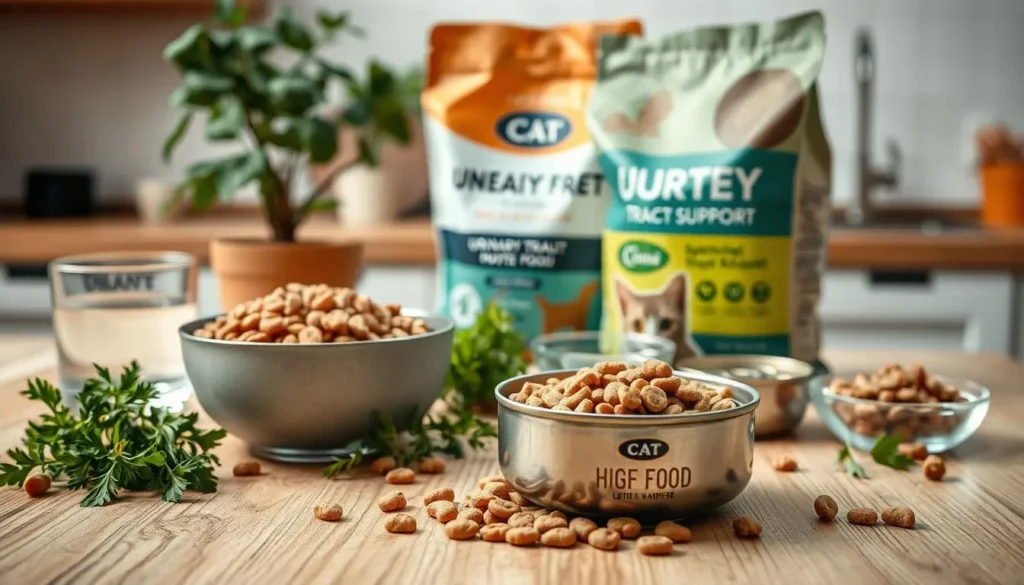
Good nutrition is key for managing cat urinary problems. A focused diet reduces crystals, boosts immunity, and keeps your cat comfy. Here’s how to create a diet that meets your cat’s needs and lifestyle.
Key nutritional goals for urinary health
Your first goal is to boost hydration. Drinking more water dilutes minerals and lowers crystal risk. Choose foods and routines that increase fluid intake without extra calories.
Control minerals. Diets should limit magnesium, phosphorus, and excess calcium while still providing essential nutrients. Balanced, high-quality protein supports muscle and immune function without promoting obesity.
Maintain an appropriate urine pH for the specific problem. For many cases, mildly acidic urine helps prevent struvite formation, but pH must be managed carefully to avoid encouraging calcium oxalate crystals.
Balancing moisture, minerals, and pH through diet
Prioritize canned or moist diets to increase total water intake. If your cat resists wet food, use broths, gravy toppers, or water-rich feeding strategies to raise daily fluid volume.
Choose commercial diets that declare controlled mineral profiles on the label. Prescription formulas from Hill’s, Royal Canin, or Purina Pro Plan Veterinary Diets provide specific magnesium and phosphorus targets you can trust under veterinary guidance.
Therapeutic diets can modify urine pH using buffered formulations or controlled acidifying agents. Avoid DIY acidification. Salt can be adjusted to encourage drinking, but that must be balanced with heart and kidney health considerations.
When to consult your veterinarian about a therapeutic diet
Contact your vet if you see recurrent signs such as straining, blood in urine, frequent trips to the litter box, or any episode of urethral obstruction. Those signs need prompt evaluation.
Diagnostic confirmation of crystals or stones is a clear prompt for prescription feeding. Some struvite stones dissolve on appropriate diets, while others require surgical or interventional care.
If your cat has kidney disease, diabetes, heart disease, or is on long-term medications, work with your veterinarian to tailor a plan. Your vet can recommend specific brands, create a catheter urinary care diet when needed, and schedule follow-up urinalysis or imaging.
| Diet Factor | Why it matters | Practical choices |
|---|---|---|
| Hydration | Higher urine volume dilutes crystals and bacteria | Wet food, broth toppers, water fountains, scheduled wet meals |
| Mineral control | Limits crystal-forming salts like magnesium and phosphorus | Veterinary prescription diets, check nutrient panels on labels |
| Urine pH | Prevents specific stone types when kept in target range | Buffered therapeutic diets under vet supervision |
| Protein quality | Supports lean mass and immune health without extra calories | High-quality animal proteins; calorie control for overweight cats |
| Concurrent conditions | Heart or kidney disease changes safe nutrient levels | Individualized plans from your veterinarian and dietitian |
Choose the best food for cat urinary health
You want a feeding plan that lowers recurrence and keeps your pet comfortable. Picking the right urinary health cat food means weighing moisture, minerals, and ingredient quality against your budget and your cat’s preferences.
Wet food versus dry food: pros and cons for urinary care
Wet food boosts urine volume, which helps dilute urine and reduce crystal formation. It is usually more palatable and useful for cats that drink little water. The higher cost per calorie and shorter shelf life after opening are downsides you should consider.
Dry food can be easier to store and portion, and some formulas support dental health. Low moisture in many kibbles can lead to concentrated urine, which raises risk. Combining wet and dry often gives the benefits of both, with a higher wet proportion better for urinary tract health for cats.
Ingredients to look for in urinary-support cat foods
Look for controlled levels of magnesium, phosphorus, and calcium. Brands that publish guaranteed analyses let you compare mineral content easily. Moderate, high-quality animal proteins such as chicken, turkey, or salmon are preferable to plant-heavy formulas.
Controlled sodium helps stimulate normal drinking without overloading cats with salt if they have other conditions. Seek added omega-3 fatty acids, antioxidants, and fiber to support weight and overall health. Avoid unclear ingredient sourcing and excessive ash content.
Brands and formulation types: prescription vs. over-the-counter
Prescription therapeutic diets from Hill’s Prescription Diet c/d Multicare, Royal Canin Urinary SO, and Purina Pro Plan Veterinary Diets UR are formulated to dissolve struvite and manage minerals and pH. Use these under your veterinarian’s guidance.
Over-the-counter urinary-support foods from Wellness, Blue Buffalo, and Merrick can improve moisture intake and reduce risk without guaranteed stone dissolution. Check AAFCO statements, published research, and nutrient labels to confirm suitability for your cat urinary care diet.
When in doubt, consult your veterinarian before switching foods. They can match a cat urinary care diet to your cat’s medical history, lifestyle, and diagnostic results so you choose the best food for cat urinary health.
Practical feeding tips to support urinary tract health
Simple feeding habits can protect your cat’s urinary tract health. Making small changes in portioning, water access, and food transitions can help. These changes make caring for your cat easier for both of you.
Portion control, feeding schedules, and weight management
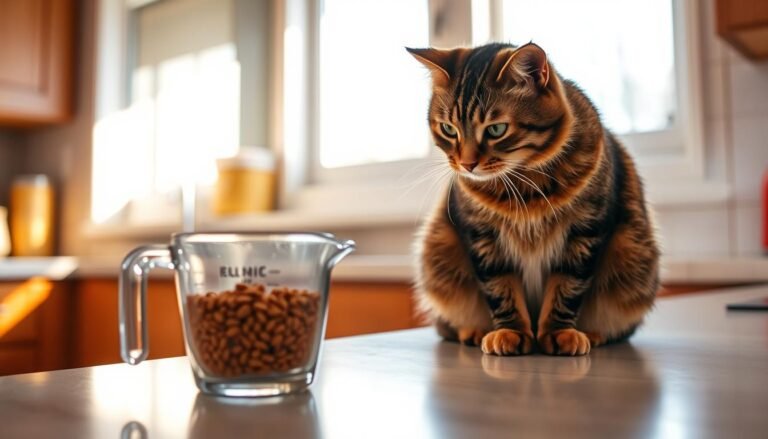
Keeping your cat at a healthy weight is key to preventing FLUTD. Use a kitchen scale or a calibrated scoop to measure food portions. Free-feeding can lead to overeating, so try timed meals or puzzle feeders to slow down eating and add fun.
In homes with more than one cat, stop food fights by using microchip feeders or separate feeding stations. Check your cat’s body condition and weight every month. If your cat needs to lose weight, work with your vet to set a safe calorie goal and monitor progress closely.
Encouraging water intake with food and environment changes
Feed mostly wet food to increase moisture in your cat’s diet. Canned and pouch diets from brands like Hill’s Science Diet or Royal Canin are good for urinary health. Check urine dilution during vet visits if you can.
Place several stainless or ceramic bowls around the house and try a cat water fountain to make drinking more appealing. Warm water or a small amount of unsalted low-sodium chicken broth can tempt picky cats. Keep food and water in separate spots if your cat prefers distance between eating and drinking.
Transitioning diets safely to avoid stress-related issues
Switch foods gradually over 7–14 days to avoid GI upset and stress. Start with 25% new food, increase by 25% every 2–3 days if your cat tolerates the change. Keep the regular feeding routine and reduce other stressors during the transition.
If your vet prescribes a therapeutic formula, follow their transition plan exactly. Sudden diet changes or food fights can trigger idiopathic cystitis. Watch for changes in appetite, litter box behavior, vomiting, or diarrhea and report concerns to your vet promptly.
| Action | Why it helps | How to implement |
|---|---|---|
| Measured meals | Prevents overeating and weight gain tied to urinary risk | Use a scale or scoop; feed 2–4 timed meals daily based on vet guidance |
| Increase wet food | Raises water intake and urine dilution for better urinary health | Replace one dry meal with canned or pouch food designed for urinary care |
| Multiple water sources | Encourages regular drinking and reduces concentrated urine | Place bowls and a fountain in separate rooms and change water daily |
| Slow feeding enrichment | Reduces gulping and provides mental stimulation to lower stress | Use puzzle feeders or portion-controlled treat balls during meals |
| Gradual diet change | Minimizes GI upset and stress-related urinary flare-ups | Transition over 7–14 days, increasing new food by ~25% every 2–3 days |
| Separate feeding areas | Reduces competition and stress that can trigger urinary issues | Feed shy cats in quiet rooms; consider microchip feeders for shared spaces |
Supplements and holistic approaches for urinary health
Before you try supplements, read this short guide to options that may support urinary tract care in cats. Use supplements as additions to a balanced cat diet for urinary tract health and environmental changes that reduce stress.
Common supportive supplements
Products marketed as cat urinary tract supplements often include cranberry extract, D-mannose, potassium citrate, glucosamine, chondroitin, omega-3 fish oil, and probiotics. Cranberry and D-mannose aim to reduce bacterial adhesion in true infections. Potassium citrate helps alkalinize urine when appropriate. Glucosamine and chondroitin are marketed as cystoprotectants for bladder lining support.
Herbal and holistic options
Some owners explore marshmallow root, uva ursi, or herbal blends. Evidence for these in cats is limited and safety varies by species. Behavioral steps count as well. Environmental enrichment, stress reduction, and multi-litter-box strategies are proven ways to support holistic cat urinary health, especially for idiopathic feline lower urinary tract disease.
How to monitor and choose safe products
Talk with your veterinarian before starting supplements. Your vet will check for kidney or liver disease and spot interactions with prescription urinary health cat food or medications. Choose brands with third-party testing and formulas made for cats rather than human supplements.
Tracking effectiveness
Watch litter box frequency, straining, blood in urine, appetite, and weight. Request follow-up urinalysis, urine culture, or imaging if problems persist. If signs worsen or do not improve during a reasonable trial, stop the supplement and seek veterinary care.
| Supplement | Intended effect | Evidence in cats | Notes |
|---|---|---|---|
| Cranberry extract | May limit bacterial adhesion | Mixed, limited feline data | May help recurrent bacterial UTIs; not proven for idiopathic cystitis |
| D-mannose | Prevents bacterial binding to bladder cells | Limited feline studies; data from other species | Generally well tolerated; vet guidance advised |
| Potassium citrate | Alkalinizes urine; aids stone prevention | Used clinically with veterinary oversight | Requires dosing per lab results and diet |
| Glucosamine + Chondroitin | Supports bladder mucosa integrity | Some supportive use for cystitis | Adjunctive therapy, not a sole treatment |
| Omega-3 (fish oil) | Reduces inflammation | Moderate evidence for anti-inflammatory benefit | Choose cat-formulated products to ensure safety |
| Probiotics | Supports gut and immune balance | Limited data for UTI prevention in cats | Select feline-specific strains and consult your vet |
Conclusion
Diet is a key tool for keeping your cat’s urinary tract healthy. Make sure they drink enough water by feeding wet food. Also, control minerals and pH levels based on your cat’s needs.
Keep an eye on their weight and portion sizes. Choosing a good cat urinary care diet or a vet’s prescription can help prevent problems. This includes crystals, stones, and inflammation.
Encourage your cat to drink more water. You can do this by offering wet food, setting up multiple water stations, and using pet fountains. When changing their diet, do it slowly to avoid stress.
Use supplements only if your vet says it’s okay. Always watch for changes in litter-box habits. This can be a sign of urinary problems.
Preventing urinary issues requires a few steps. The right diet, plenty of water, controlling weight, reducing stress, and regular vet visits are all important. Work with your vet to create a plan that works for your cat.
Regular check-ups and tests like urinalysis or imaging may be needed. This way, your cat can stay healthy and happy for a long time.