Freeze Dried Raw Cat Food: A Healthier Choice for Felines
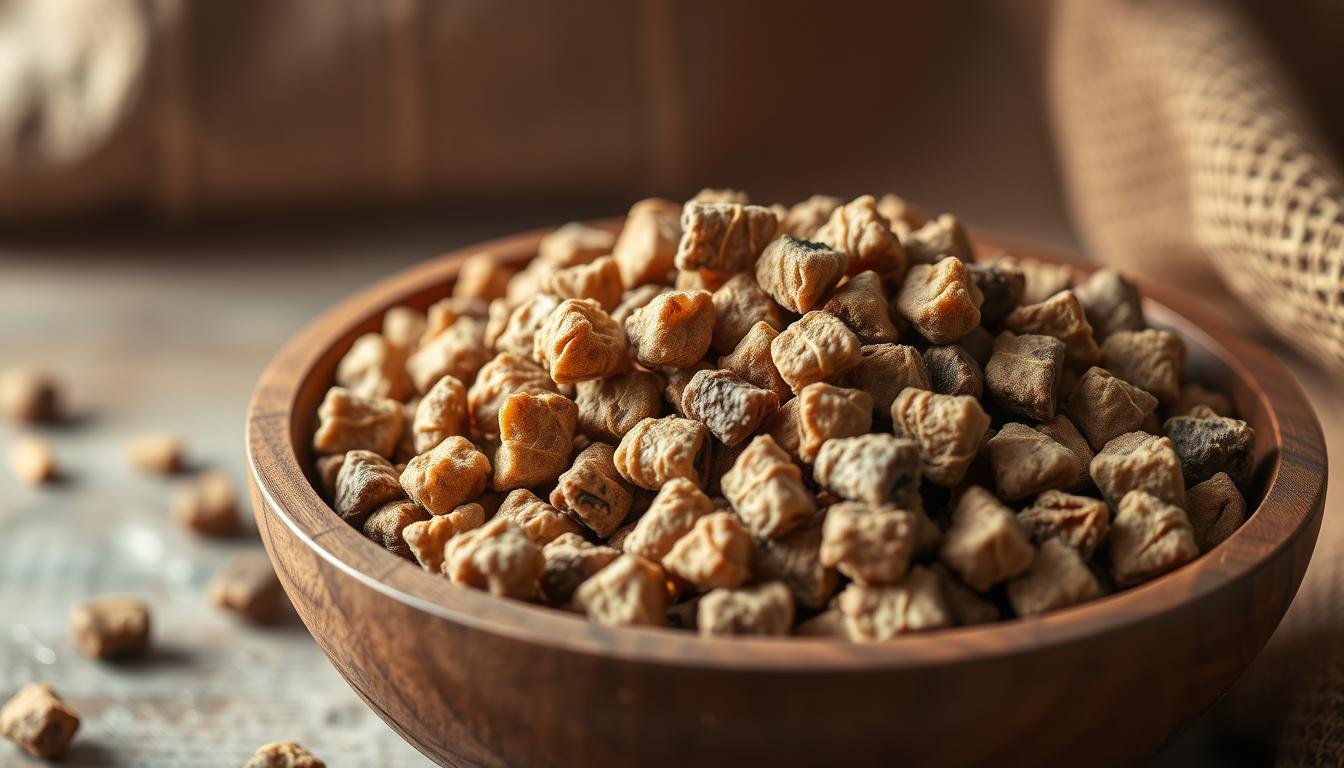
You’ve seen your cat snuggle into your lap after a long day. You might wonder if their food is really good for them. Maybe your indoor cat seems less lively, or your outdoor cat needs more energy. Switching to freeze dried raw cat food could be a game-changer for your cat’s health.
In the U.S., more cat owners are choosing raw cat food. They like its convenience, health benefits, and how it suits their cat’s lifestyle. You’ll learn about freeze drying, its benefits, and how it compares to fresh and dehydrated diets.
This guide will help you pick the best freeze dried cat food. You’ll learn how to compare ingredients, transition your cat safely, and store it properly. By the end, you’ll know how to choose a product that meets your cat’s needs.
Table of Contents
Table of Contents
Key Takeaways
- Freeze dried raw cat food offers convenience with long shelf life and nutritional retention.
- You’ll discover how freeze drying preserves nutrients compared to other raw formats.
- Choosing the right product involves reading labels for protein, organ meats, and additives.
- Safe transition and proper rehydration minimize digestive upset during diet changes.
- This article compares top freeze dried cat food brands and where to buy them in the U.S.
What is freeze dried raw cat food and how it works
Freeze dried raw cat food begins with fresh animal parts like muscle and organs. These are frozen and then put in a vacuum chamber. In this process, ice turns directly into vapor, leaving a light, stable product.
This method keeps most of the nutrients and smell of the original food. Brands like Stella & Chewy’s and Primal Pet Foods use it. They make a product that quickly rehydrates and feels like raw food.
This food is also easy to store and transport. You don’t need to keep it cold all the time.
How it differs from fresh raw and dehydrated diets
Fresh raw diets need constant cold storage to stay safe. Freeze dried raw cat food is safer and keeps more nutrients than heated foods.
Dehydrated foods use warm air to dry, which can lose some nutrients. Freeze drying keeps more nutrients and smells better. Cats often prefer the taste and texture of freeze dried food, which is closer to raw.
Safety and shelf life advantages for pet owners
Freeze dried foods have low moisture, which stops bacteria from growing. So, they stay fresh for a long time at room temperature. The packaging is designed to keep moisture and air out, keeping the food fresh longer.
This makes freeze dried cat food great for travel and mixed feeding plans. It’s also good for homes with many pets.
When picking freeze dried cat food, check the packaging dates and follow storage tips. Proper handling and rehydration ensure your cat gets the nutrients they need.
Health benefits of freeze dried cat food for your cat
Changing your cat’s food can really make a difference. Freeze dried food keeps nutrients that kibble often loses. Many people and vets prefer raw-style diets for better health and behavior in cats.
Improved nutrient retention and bioavailability
Freeze drying keeps moisture out while saving heat-sensitive nutrients. This means taurine, B vitamins, and fatty acids stay good. Your cat can digest these nutrients better.
Organ meats in these foods add vitamins A, iron, and copper. These help with vision, energy, and blood health in cats.
Benefits for skin, coat, digestion, and dental health
Switching to freeze-dried food can make your cat’s coat shinier and skin less flaky. Omega-3 and omega-6 fatty acids keep the skin and fur healthy.
High-quality animal proteins in these foods can improve digestion. You might see firmer stools and fewer stomach problems.
Freeze-dried food can be harder than wet food. Chewing on these pieces or rehydrating them can help clean teeth. It’s not a full replacement for brushing or vet cleanings, but it helps.
How freeze dried diets support natural feline needs
These diets have lots of animal protein, few carbs, and organ meats. They match the nutrition of natural prey. This meets your cat’s metabolic needs and helps with weight management.
Feeding your cat a diet like its ancestors can make them happier. Protein-rich meals can cut down on begging and keep them active.
Some urinary and skin problems can get better with low-carb, high-moisture diets. Always talk to your vet before changing your cat’s diet. They can help find the best freeze dried food for your cat’s health needs.
Choosing the best freeze dried cat food for your feline
Choosing the right freeze dried cat food means focusing on key things. Look for named animal proteins, balanced nutrients, and few fillers. This ensures your cat gets the energy, digestion, and health support they need.
Key ingredients to look for and avoid
First, check if the food lists specific meats like chicken, turkey, or salmon. Organ meats like liver and kidney are also important for vitamins and minerals. Make sure taurine and omega fatty acids are included.
Avoid terms like “meat by-products” and formulas with a lot of corn or soy. Stay away from artificial colors and flavors too. Good freeze dried cat food brands focus on quality and avoid fillers.
How to interpret labels: protein, organ meats, and additives
Ingredients are listed in order before freeze drying. The guaranteed analysis shows important details like protein and fat content. This helps you compare different products.
Organ meats are packed with nutrients that muscle meat doesn’t have. A good diet mixes muscle meat with organ meat and calcium. Look for probiotics and vitamin-mineral premixes for extra health benefits.
Labels that say “natural” or “organic” have specific meanings. USDA organic certification only applies to ingredients, not all raw proteins. If you want organic, make sure the label lists certified organic ingredients.
Matching formulas to life stage, activity level, and health conditions
Choose the right formula based on your cat’s age and activity level. Kittens and active cats need more calories and fat. Senior cats might need formulas that support joint health and are lower in calories.
For weight control, pick lower-calorie formulas and measure portions carefully. If your cat has health issues, talk to your vet before changing their diet. Some health conditions require special diets that your vet can recommend.
When comparing options, look at ingredient quality, where they come from, and added supplements. The best freeze dried cat food will meet your cat’s needs, match their life stage, and come from trusted brands.
Freeze dried cat food brands and product comparisons
Choosing freeze dried cat food can be tough. You want to know about ingredient quality, format, and price. This helps you find the best food for your cat.
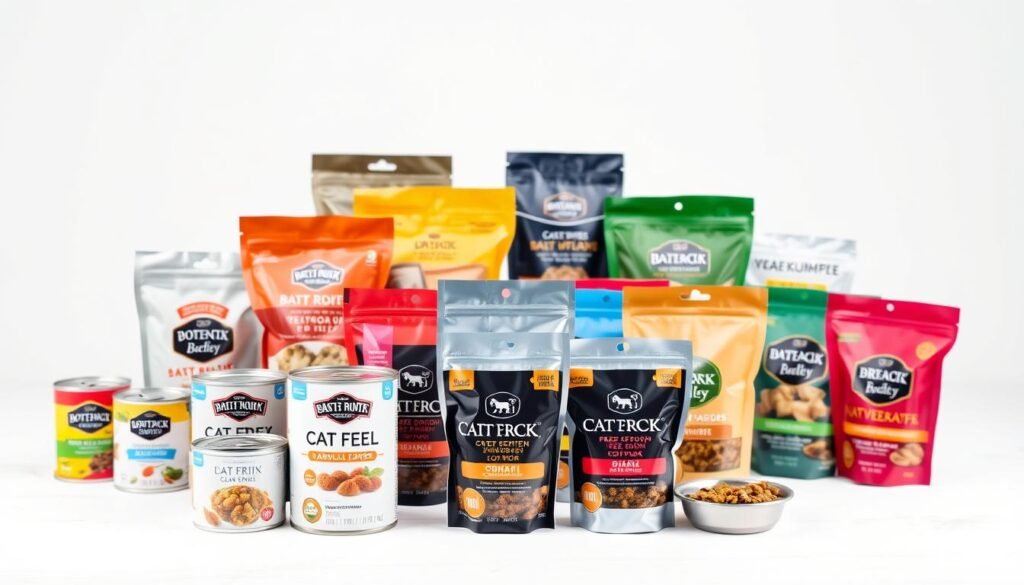
Here are some well-known brands in the United States. Each brand has its own way of providing raw nutrition. They are often mentioned in freeze dried cat food reviews.
Top reputable brands you can find in the United States
Stella & Chewy’s offers pre-made meals and mixers for easy feeding. Primal Pet Foods has single-protein recipes and raw bars for specific diets. Vital Essentials provides freeze-dried nuggets and raw pate for true raw feeders.
Instinct by Nature’s Variety has a variety of recipes with whole-prey profiles and grain-free options. Newman’s Own Organics focuses on organic ingredients and simple recipes.
Comparing price, ingredient quality, and sourcing
Prices differ a lot. Foods with premium, human-grade, or organic ingredients cost more. Novel proteins like rabbit or venison also tend to be pricier. Remember to look at the cost per day, not just the bag price.
It’s important to know what’s in your cat’s food. Some brands list where they get their ingredients and use USDA-inspected proteins. Others don’t share as much. Always check the labels and company websites before buying.
The type of food affects convenience and cost. Freeze-dried patties and nuggets are easy to serve. Mixers need water to rehydrate but can be cheaper per calorie. Compare the calories in each serving to decide what’s best for you.
Where to buy: online retailers, specialty pet stores, and vets
You can find a wide range of freeze dried cat food online at Chewy, Amazon, and brand websites. These sites often have subscription deals that save money and ensure a steady supply.
Specialty pet stores and natural food co-ops let you see the packaging and ingredients up close. The staff can offer advice on storage and help with sample sizes.
Vets may also recommend certain brands, especially for cats with special needs. If your cat has health issues, your vet can suggest high-quality brands mentioned in freeze dried cat food reviews.
How to switch your cat to a raw freeze dried diet
Switching your cat to a raw freeze dried diet can seem scary. But, with a good plan, it can be less stressful for both of you. Start slow, watch for changes in your cat’s appetite and stool, and keep your vet informed. This way, your cat can get used to the new food while you see the benefits.
Transition steps to minimize digestive upset
Start with a 7–14 day transition. On day one, mix 10–25% rehydrated product with their current food. Increase the new food each day if their stool and appetite stay normal.
If your cat is very sensitive, take longer, up to 3–4 weeks. Keep an eye on their stool and energy. If they don’t like the change, try warming the rehydrated food slightly or use it as a topper.
Portioning, rehydration methods, and feeding tips
Follow the manufacturer’s ratios for rehydrating. Add warm water and let it sit for a few minutes until it looks like raw food. Bone broth can add flavor, but make sure it’s low-sodium and doesn’t have onions or garlic.
Use the feeding guidelines on the packaging as a starting point. Then adjust based on your cat’s weight, age, and activity level. A kitchen scale is best for accurate portions. Most adult cats do well with two small meals a day. Free-feeding is okay if you can keep an eye on their weight and how much they eat.
You can also add a small amount of rehydrated product on top of wet food to help them get used to it. Choosing the right freeze dried cat food means looking at the ingredients and feeding advice.
Monitoring your cat’s response and when to consult a vet
Look for signs like a shinier coat, steady energy, and firmer stools. Note any negative signs like vomiting, diarrhea, loss of appetite, or sudden tiredness. These could mean your cat is not tolerating the new food well.
If digestive issues last more than a few days, or if you see quick weight changes or illness signs, call your vet. Cats with health issues or on medication need vet approval before switching to raw cat food.
| Step | Action | Why it matters |
|---|---|---|
| Day 1–7 | Mix 10–25% rehydrated freeze dried with current food; increase slowly | Limits digestive shock and helps your cat accept new taste and texture |
| Week 2–4 (if needed) | Extend transition for sensitive cats; monitor stool and appetite daily | Reduces risk of diarrhea and allows gradual gut adaptation |
| Rehydration | Use warm water or low-sodium bone broth; follow package ratios; let sit | Restores texture and aroma that encourage eating and mimic raw food |
| Portioning | Use package guidelines, adjust for weight, measure with a kitchen scale | Prevents overfeeding or underfeeding and supports healthy weight |
| Feeding frequency | Two small meals per day for most adults; free-feeding only with careful monitoring | Supports stable digestion and helps you track intake |
| When to consult vet | Persistent vomiting, diarrhea, rapid weight change, or pre-existing conditions | Ensures safety and addresses potential nutrient or health concerns |
Common concerns and safety considerations for raw cat food
Switching to freeze dried raw cat food brings up safety, allergies, and storage worries. This section tackles these concerns with practical steps to keep your cat and home safe.
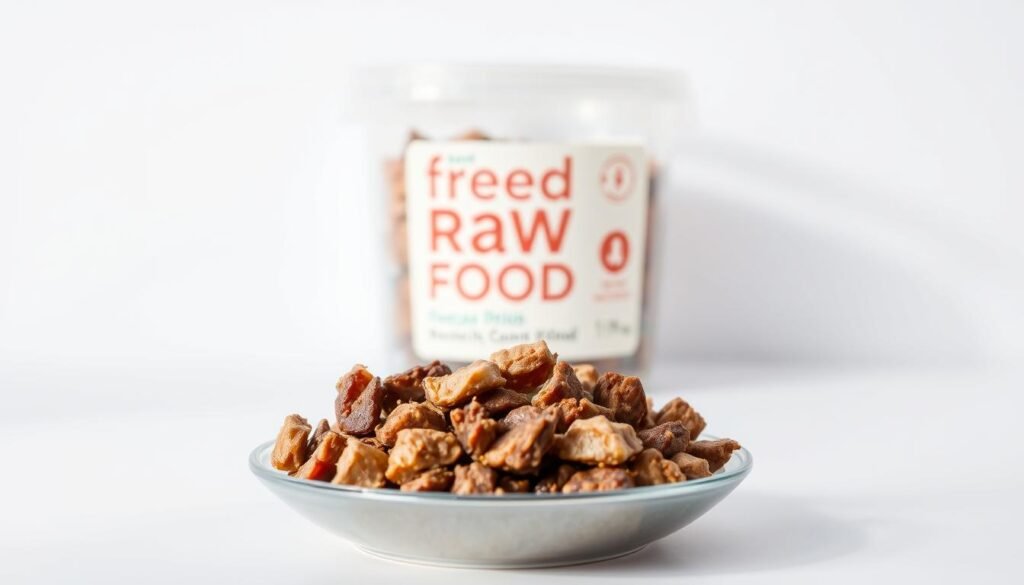
Addressing bacterial and pathogen worries with freeze dried methods
Freeze drying removes most moisture, which limits bacterial growth without cooking the product. Manufacturers use Hazard Analysis and Critical Control Points (HACCP), batch testing, and third-party pathogen screening to reduce risk.
Follow package directions for rehydration and treat rehydrated portions like fresh raw food. Use rehydrated servings promptly and refrigerate leftovers according to the label to keep risk low.
Buy from brands with transparent safety protocols and published third-party testing. Reading freeze dried cat food reviews can help you spot companies that publish lab results and follow clear handling rules.
Allergies, sensitivities, and ingredient rotations
Cats commonly react to proteins like beef, dairy, or certain fish. If your cat shows vomiting, diarrhea, or itchy skin, consider limited-ingredient or novel-protein freeze dried options such as rabbit, duck, or venison.
Rotate proteins carefully to reduce sensitization. Keep rotations controlled so you can track reactions. Work with your veterinarian for formal elimination diets when you suspect a true food allergy.
Grain-free labels are common, but not always necessary for felines. Prioritize animal proteins and complete nutrient profiles when you read ingredient lists or consult freeze dried cat food reviews.
Storage, handling, and best practices to maintain quality
Store unopened packages in a cool, dry place away from direct sunlight. Once opened, reseal bags tightly or transfer food to airtight containers with desiccant packs to preserve dryness and freshness.
After rehydration, refrigerate portions and use them within the manufacturer-recommended window, commonly 24–48 hours. Label containers with the date to avoid guesswork.
Wash bowls and utensils after each feeding. Practice good kitchen hygiene and avoid cross-contamination between pet food and human food prep areas. Check expiration dates and discard food that smells off or shows moisture intrusion.
Additional keywords, reviews, and premium options
Choosing between natural and organic freeze dried cat food can be tricky. Natural foods have less processing and no artificial stuff. Organic foods must meet USDA Organic standards, which can be pricier.
Consider what’s important for your cat. Organic foods lower pesticide and antibiotic exposure. Natural foods can be just as nutritious without breaking the bank. Choose based on what you value most, like ingredient quality, cost, and your cat’s health.
Natural versus organic: what to check
Read labels closely. Look for named meats and no fillers. For organic, check for USDA or certifying labels.
Find out where the proteins come from and if they’re still nutritious. Organic is best for less chemical exposure. Natural is great for good nutrition without spending too much.
How to evaluate freeze dried cat food reviews
Look at many reviews for common themes. Watch for cat acceptance, stool quality, coat health, and digestive changes. Vet approvals and lab tests are important too.
Be cautious of sponsored reviews and brand testimonials. Trust more independent forums, vet nutritionists, and reputable sites. Look for feeding trials, AAFCO statements, lab tests, and recall history.
Premium features worth paying for
Premium freeze dried cat food often uses high-quality proteins and has clear sources. Look for third-party testing from places like Eurofins or NSF.
Check for probiotics, balanced nutrients, and special packaging. Compare the cost to health benefits. Sometimes, spending more upfront can save vet bills later.
- Checklist: protein source clarity, third-party testing, packaging, and feeding format.
- Review tip: prioritize patterns across many reviewers rather than single testimonials.
- Value: calculate daily cost alongside observed health outcomes for your cat.
Conclusion
Freeze dried raw cat food keeps nutrients fresh and is easy to use. It closely mimics a cat’s natural diet. This makes it a better choice than dehydrated or processed kibble.
It has more protein and organ meat, and lasts longer than fresh food. This is great for those who don’t have time to thaw food every day.
When picking the best freeze dried cat food, look at the labels. Check for named proteins, visible organs, and few additives. Choose brands that are open about where they get their ingredients and test each batch.
Start slowly when switching to freeze dried food. You might need to rehydrate it. Watch how your cat’s digestion and energy levels change.
It’s important to handle and store freeze dried food safely. This keeps its benefits for your cat.
Think about your cat’s age, weight, and health before choosing food. Talk to your vet for advice. Look at different brands and their ingredients. Start with a small amount and see how your cat reacts.
By picking the right freeze dried cat food, you can help your cat’s coat, digestion, and overall health. This makes them happier and healthier.