The Ultimate Guide to the Best Cat Dry Food
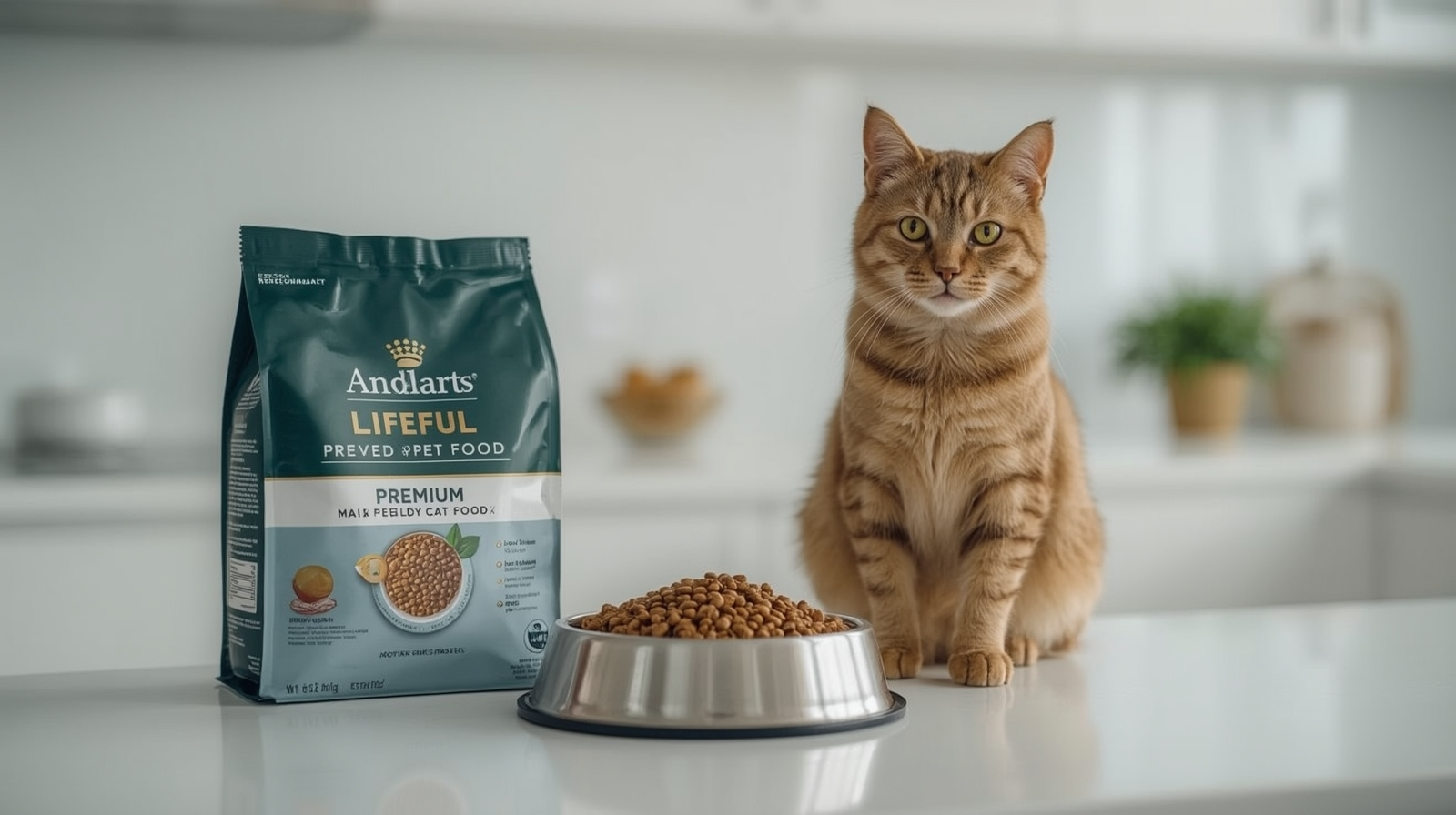
You know that quiet, expectant look at the bowl — and you want to get it right. The Ultimate Guide to the Best Cat Dry Food
Finding the right cat food can feel personal and urgent. You want nutrition that supports play, calm, and long health without guessing at labels or ads.
This guide gives you a clear, expert-backed path. You’ll learn how to read ingredients and guaranteed analysis. You’ll compare cost, convenience, and real-world results so you can plan your first order with confidence.
We highlight trustworthy brands like Open Farm and practical steps for switching foods. By the end, you’ll have a simple decision path that blends quality, nutrition, and your cat’s tastes into a reliable choice.
Table of Contents
How to Evaluate Dry Cat Food Like an Expert
Think of evaluating kibble the way a detective checks clues—ingredient names and manufacturing history tell the story.
Species-appropriateness comes first. Look for animal proteins listed by name and minimal starchy fillers. A prey-like profile — higher moisture and meat-forward recipes — aligns with feline nutrition and supports natural diet needs.
Ingredient quality matters. Scan labels for named meats, organ meats, and short ingredient lists. Avoid potentially harmful additives such as dyes, artificial flavors, and chemical preservatives that reduce long-term ingredient quality.
Product variety and texture help you match recipes to sensitivities and preferences. Prefer brands that offer multiple proteins, limited-ingredient lines, and different textures to solve picky eating or chewing problems.
Price versus value means comparing daily feeding cost, not just bag price. Calculate how much your pet needs and weigh that against performance and nutrition to judge true value over time.
- Customer experience: Read verified reviews for digestion, coat changes, and appetite. Note how a brand handles complaints.
- Recall history: Favor clean records or transparent corrective action — a sign of solid quality controls.
Quick checklist: proteins first, clear ingredients, variety that fits needs, fair daily cost, strong service, and no worrying recalls. Use a gradual 7–10 day switch to avoid feeding issues and to evaluate results over time.
Best Cat Dry Food: Our Product Roundup at a Glance
Use this quick roundup to compare meat-forward recipes, grain options, and gentle formulas in one place.
High-protein picks for active cats
Look for meat-first recipes that list named proteins up front. Open Farm’s RawMix Open Prairie Grain-Free Cat Kibble is a clear example of a meat-forward dry cat choice, priced from $19.99.
Pair that with a more budget-friendly Homestead Turkey & Chicken Grain-Free option (from $14.99) to rotate proteins and keep taste interest high.
Grain-free recipes remove most starches and work well for some cats, while grain-inclusive or ancient-grain recipes add fiber and steady energy. Compare daily nutrition, not just labels, to find the right balance for your cat’s activity level.
Best choices for sensitive stomachs and common diet issues
Seek formulas with limited ingredients and named animal proteins to support stool consistency and coat health. Brands with transparent sourcing score higher in trust—Cats.com lists Open Farm at A- and Dr. Elsey’s at B+, which helps you narrow your selection.
- Compare high-protein picks and grain approaches side-by-side.
- Choose gentler recipes for sensitive digestion and slower transitions.
- Shortlist a few dry cat foods for a one-week taste test to save time and reduce waste.
Top Brand Signals You Can Trust
Trust signals from a brand tell you more about product integrity than glossy packaging ever will.
Start by checking traceability. You’ll favor companies that publish sourcing maps and lot-level traceability for ingredients. That level of visibility shows what goes into your cat food and where it came from.
Look for third-party validation. Certifications for animal welfare, sustainability, and safety matter more than in-house claims. Non-GMO labels and clear statements such as “no corn, wheat, or soy” also help you avoid common fillers.
Transparent sourcing and 100% traceable ingredients
Open Farm highlights humanely raised proteins, sustainably sourced seafood, and 100% traceable ingredients. You can use lot data and supplier countries to verify ingredient quality and nutrition claims.
Third-party certifications and non-GMO standards
Prefer brands that show audit reports and external certifications. Treat claims like “raised without antibiotics or added hormones” as meaningful when paired with verifiable documentation.
- Check sourcing maps and lot-level traceability.
- Demand third-party certifications and non-GMO proof.
- Verify claims about antibiotics, hormones, and sustainability.
- Use verified reviews and responsive service as real-world proof.
Bottom line: Combine traceability, audit reports, and clear service responses to judge overall quality. Brands like Open Farm that foreground transparency make it easier to choose foods that meet your standards.
Spotlight: Open Farm’s Dry Cat Foods and Mixers
If you want reliable sourcing and mixers that boost palatability, Open Farm’s product set deserves a close look.

RawMix Open Prairie Grain-Free Cat Kibble
RawMix Open Prairie (from $19.99) delivers a meat-first profile with layered texture to heighten aroma and acceptance. You’ll find named proteins up front and short ingredient lists that match species-appropriate recipes.
Homestead Turkey & Chicken Grain-Free Kibble
Homestead Turkey & Chicken (from $14.99) is a versatile daily option. It balances cost and traceable sourcing so you can rotate harvest chicken and poultry proteins without guessing quality.
Chicken & Salmon Freeze Dried Raw Morsels
Use the Chicken & Salmon morsels (from $9.99) as a nutrient-dense mixer to lift scent and palatability. Add small amounts to preserve routine while testing new recipes.
Bone Broth Bundle as a Topper
Bone broth (bundle from $29.97) adds moisture and flavor to help hydration. It’s an easy topper that keeps your cat on familiar kibble and supports transitions.
- 100% traceable ingredients and non-GMO produce back Open Farm’s claims.
- Check bag sizes, per-meal cost, and storage to reduce waste.
- Track energy, coat, and litter-box changes over a week when you mix products.
Interpreting Independent Cat Food Ratings Today
Numbers and categories from trusted reviewers turn vague promises into measurable criteria.
The six-factor scoring model used by leading reviewers
Reviewers score six areas: species-appropriateness, ingredient quality, product variety, price, customer experience, and recall history. Each area earns 1–10 points.
Scores add to a 6–60 total. That math helps you compare brands quickly.
What A to C grades really mean for your selection
Letter grades convert numbers into action. A and A- (51+/48–50) should top your shortlist. B+ to C indicate mixed strengths and require closer label checks and recent customer reviews.
“A single serious recall can drop a brand’s trust score more than a small recipe tweak.”
- Use ratings as a starting point, then test service response and in-bag consistency.
- Compare daily cost within similarly scored pet food categories.
- Note examples: Open Farm is A-; Dr. Elsey’s is B+.
Tip: Adopt a food advisor mindset—blend objective scores with your cat’s appetite, stool, and coat to pick the right option.
Ingredient Deep Dive: Proteins, Recipes, and Nutrition
Start by inspecting the protein list — it reveals how closely a recipe matches feline needs.
Animal proteins first: You’ll prioritize clearly named proteins on the label to align with your pet’s biology. “Chicken” or “salmon” beats vague terms like “poultry” or “animal by-products.” Whole meats and organs supply amino acids that support lean muscle and steady energy.
Fats, carbs, and fiber
Balance matters. Moderate fats boost palatability and coat health while controlled carbohydrates prevent excess calories.
Functional fibers keep stool quality stable and aid digestion. Choose recipes that add targeted minerals for urinary health without over-thickening stools.
Decoding labels for ingredient quality and taste
Scan ingredient lists for specificity: “salmon oil” is better than “animal fat.” Avoid potentially harmful additives like dyes and artificial flavors; they add no nutrition and can signal lower standards.
“Moisture-rich formulations and named proteins score highest for species-appropriateness.”
- Read the guaranteed analysis and moisture to understand nutrient concentration.
- Compare nutrition density per cup, not just bag price, to manage calories and body condition.
- Introduce small amounts first to test taste and monitor appetite and stool.
Health and Diet Fit: Matching Food to Your Cat’s Needs
Match your cat’s meals to specific health goals so feeding becomes targeted and predictable.
Weight management, hairball control, and urinary support
You’ll match food to health priorities by choosing labels that list functional ingredients tied to outcomes.
Select lower-calorie, high-protein recipes for weight control and formulas with soluble fiber to cut hairball frequency. For urinary support, favor moisture-rich options or formulas that show balanced mineral levels.
When to consider wet food, bone broth, or mixers
Consider wet food or bone broth when your pet drinks little water. Adding moisture supports urinary health without overhauling the diet.
Use freeze-dried mixers, like Open Farm’s Chicken & Salmon morsels, to boost aroma and protein density. The Bone Broth Bundle helps hydrate and lift palatability alongside kibble.
- Transition slowly: change ratios over 7–10 days and watch stool and appetite.
- Measure portions: avoid calorie creep with toppers and mixers.
- Track results: keep a short diary of what you tried and the outcomes.
| Concern | Ingredient Focus | Moisture Option | Practical Tip |
|---|---|---|---|
| Weight control | Higher protein, controlled calories | Limited wet meals | Weigh portions, use measured mixers |
| Hairballs | Soluble fiber, omega fats | Occasional bone broth | Increase grooming, adjust fiber type |
| Urinary health | Balanced minerals, added moisture | Wet food or bone broth daily | Monitor urine odor and litter-box visits |
“Small, measured changes in diet and moisture often resolve common feeding issues without drastic swaps.”
Customer Reviews, Service, and Real-World Performance
Customer voices show what matters most: acceptance, digestion, and repeat buys.
Scan reviews for consistent themes. Look for repeated notes on taste acceptance, digestion, and energy. Give more weight to detailed, photo-backed accounts than to lone star-only ratings.

Reading reviews for taste acceptance and feeding issues
Open Farm cites over 50,000 five-star reviews with many quotes about taste enthusiasm, better digestion, and fast shipping.
Pay attention to how quickly a brand resolves problems. Clear, helpful replies show stronger customer service and a solid quality system.
- Check repeat-buy signals — they point to products that perform over time.
- Note comments about packaging, freshness on arrival, and shipping speed.
- Match reviewers to your pet: age, pickiness, and prior diet predict taste acceptance.
“Autoship flexibility and easy order changes often earn high marks from repeat buyers.”
| What to Check | Why It Matters | Red Flag | Quick Action |
|---|---|---|---|
| Taste acceptance | Indicates likely daily intake | Many reports of refusal | Try sample size first |
| Digestion reports | Shows GI tolerance | Loose stool or vomiting spikes | Switch slowly, consult vet |
| Service & shipping | Protects freshness and trust | Poor responses or late delivery | Contact support, request replacement |
Two-week test: track your cat for taste, stool, and energy. Combine those notes with reviews and your vet’s input before reordering.
Safety First: Recall History and Brand Accountability
Start every purchase by checking a brand’s recall record and how it handled past incidents.
Why recall history matters: According to Cats.com, reviewers score brands by the number and severity of recalls and by the company’s response. Brands with no recalls earn top marks. Global names like Ziwi Peak from New Zealand show how strong sourcing can raise trust. Dr. Elsey’s appears as B+ in independent databases, which helps set a baseline for comparison.
When you shop, look for fast, clear communication from food brands during incidents. Speed and scope of action reveal a quality culture. Prefer companies that publish QA/QC practices and ingredient traceability so you can act quickly if a recall occurs.
Store purchases correctly: sealed, cool, and dry. Verify bag lot codes and keep receipts and batch numbers. Toss any package that smells off or shows damaged packaging.
- Check regulatory notices and third-party lab findings for early risk signals.
- Keep a quarterly shortlist of trusted brands, including New Zealand options, and update it as recalls change.
- Document storage and lot numbers so you can respond fast to recall updates.
“A clean record with documented testing often correlates with tighter process controls and safer ingredients.”
| What to Check | Why It Matters | Action | Example |
|---|---|---|---|
| Recall history | Shows past safety incidents | Review Cats.com ratings and regulator notices | Ziwi Peak (New Zealand) listed A- |
| Response quality | Signals company accountability | Read incident updates and timelines | Fast, transparent recalls score higher |
| Batch codes & storage | Enables rapid trace and removal | Keep receipts; store sealed and cool | Discard compromised bags immediately |
Conclusion
Making a confident first order starts with a small-bag test and a simple rotation plan.
Prioritize animal-first nutrition and verify ingredient transparency. Choose one primary kibble and a backup so your pet has options if texture or taste misses the mark.
Add a spoon of bone broth or a mixer to boost aroma and hydration without abandoning your main pick. Compare Open Farm options like Open Prairie and harvest chicken alongside Dr. Elsey’s when you shortlist products.
Use the independent scoring model as your food advisor. Track appetite, coat, and litter-box results during a two-week trial, then revisit your selection quarterly.
Store and portion properly to protect freshness and maintain weight. Celebrate small wins—smoother digestion, brighter coat—as proof your selection supports long-term nutrition and health.