Freeze Dried Cat Food: Nutritious Meals for Felines
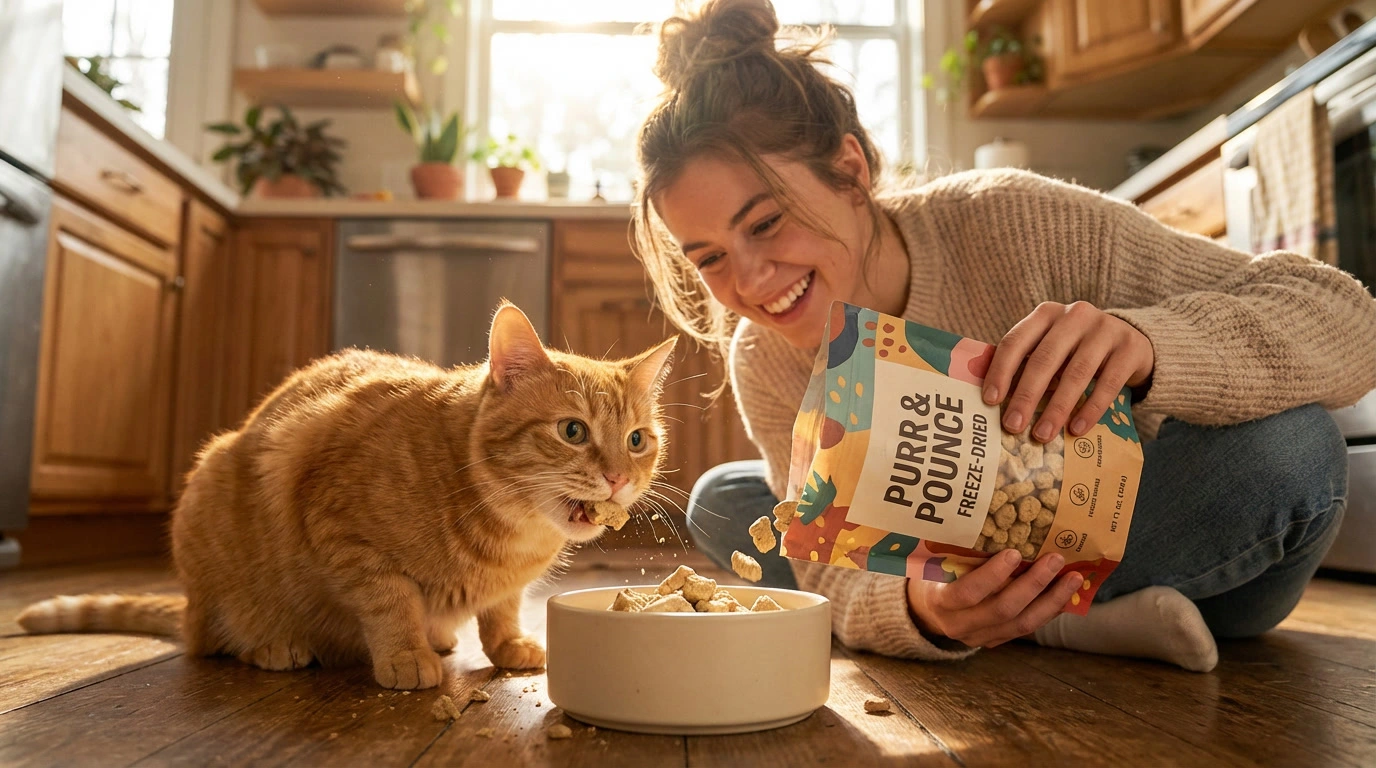
Have you ever seen your cat look at you with that urgent “feed me now” stare? It happens at 3 a.m., on trips, and after vet visits. Switching to freeze dried cat food can bring back that eager look. It also gives you peace of mind about your cat’s nutrition and convenience.
This guide will show you why freeze dried cat food is becoming more popular. It offers concentrated nutrition, lasts a long time, and is easy to portion. It also aims to keep the good stuff from fresh or raw diets.
We’ll explore how freeze drying and rehydrating work. You’ll learn about the health benefits and how to pick the best freeze dried cat food. We’ll take a look at brands such as Stella & Chewy’s and Instinct by Nature’s Variety. Plus, we’ll share tips on safe handling, storage, and using freeze dried cat treats.
What is freeze dried cat food and how it works
Freeze dried cat food starts with real meat, organs, or whole-prey ingredients. These are rapidly frozen. Then, the freeze-drying process removes moisture by turning ice into vapor inside a vacuum chamber.
This process preserves cell structure, scent, and many fragile nutrients. So, the pieces remain shelf-stable without refrigeration.
Brands like Primal, Stella & Chewy’s, and Instinct go through a similar process. They source raw proteins, grind or chop them, freeze the mix, and then dry it in a vacuum dryer.
After drying, they pack the pieces in oxygen-barrier bags. They also include desiccant packs or nitrogen flushes to extend shelf life.
The freeze-drying process is different from simple dehydration. Heat-based drying cooks out moisture and can break down vitamins and flavor compounds. Low-temperature sublimation keeps more of these compounds intact.
This helps with nutrient retention and keeps aromas strong for picky eaters.
Freeze dried raw cat food is popular for pet owners who want a raw-feeding profile with convenience. Many products claim high nutrient retention compared with high-heat extrusion and some canned methods.
Still, water-soluble vitamins and some volatiles can be reduced. So, reputable makers add vitamin-mineral blends or run feeding trials to meet AAFCO nutrient profiles.
Out of the bag, pieces feel dry and brittle. Once you rehydrate with warm water, low-sodium broth, or mix into wet food, texture becomes softer and meat-like.
Rehydration time ranges from a quick 30 seconds to a few minutes. You can aim for a pate-like mash for older cats or chunkier pieces for cats that prefer texture.
Palatability often benefits from the freeze-drying process. Concentrated aroma remains in the dried pieces. This makes many cats eager to try the food even before you add liquid.
Follow the manufacturer’s guidance for storage after opening. Adjust rehydration to match your cat’s dental needs and taste preferences.
freeze dried cat food benefits for feline health

Vital Essentials Chicken Hearts Cat Treats
- Minimally processed food
- High quality ingredients
- Low carbohydrate formula
Freeze-dried diets offer concentrated nutrition in a light form. They provide meat-based recipes that meet a cat’s natural needs. This way, they keep more nutrients than high-heat cooking methods. Always check the label to ensure the food meets AAFCO standards for balanced meals.
Protein quality and amino acid profile
Many freeze-dried recipes start with whole animal proteins like chicken or salmon. These ingredients give cats the amino acids they need for heart, eye, and immune health.
Brands often use single-source proteins for rotation diets or to help with allergies. Make sure the label shows added taurine or meets AAFCO profiles to avoid health risks.
Preservation of vitamins and minerals
The freeze-drying process keeps many vitamins and minerals safe. Manufacturers add supplements to ensure vitamins A, E, B-complex, calcium, phosphorus, and omega fatty acids are present.
Look at the guaranteed analysis and ingredients list. This confirms the food is complete and doesn’t need extra supplements.
Digestibility and effects on stool quality
High-quality proteins and fewer fillers improve digestibility. Many owners notice firmer, smaller stools with low-carb freeze-dried recipes. This is because more calories come from meat and fat, not starches.
Some cats might have mild digestive upset when switching. Start introducing the new food slowly over 7–10 days to reduce risks. Choose lower-carb, moderate-fiber options if you’re concerned about stool consistency.
Suitability for cats with allergies or sensitivities
Freeze-dried single-protein or limited-ingredient options are great for elimination diets. Novel proteins like rabbit or duck can help if cats react to common proteins.
Always talk to your vet before starting a new diet for a cat with food allergies. Use hypoallergenic diets as prescribed and follow safe testing or reintroduction protocols to find triggers.
| Benefit | What to look for | Typical outcome |
|---|---|---|
| High protein and amino acids | Whole animal meat listed first; taurine on label | Support for heart, vision, muscle maintenance |
| Micronutrient preservation | Guaranteed analysis showing vitamins A, E, B, calcium | Reliable, complete nutrition without extra supplements |
| Improved digestibility | Low carbohydrate, limited fillers, single proteins | Firmer stools and better nutrient absorption |
| Allergy-friendly options | Novel proteins or limited-ingredient formulas | Useful in elimination diets to identify sensitivities |
Choosing the best freeze dried cat food for your cat
Finding the right food for your cat is more than just looking at the packaging. You need a food that meets your cat’s needs, stays full of nutrients, and fits into your daily routine. Here are some tips to help you compare ingredients, understand labels, and manage how much to feed and store.
Key ingredient lists to look for
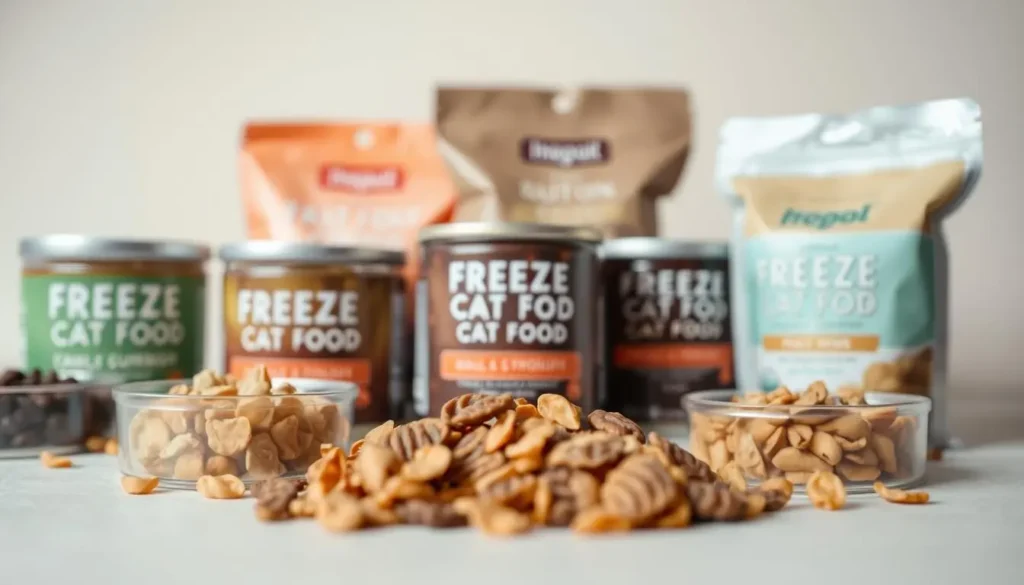
Look for named animal proteins like chicken, turkey, or salmon first. Choose foods with fewer fillers and less carbs. Many grain-free foods use peas or tapioca for carbs, so check the carb percentage.
Choose brands that share where and how they source their ingredients. Stella & Chewy’s, Primal, and Instinct are good examples. Avoid foods labeled as just “meat” or “meat by-products.”
Reading guaranteed analysis and calorie information
Top freeze dried cat food brands and reviews
When looking for top freeze dried cat food brands, you want trusted options. Below is a guide to the leading names in the United States market. You’ll also find feedback from owners and tips on where to buy and compare prices.
Overview of leading brands
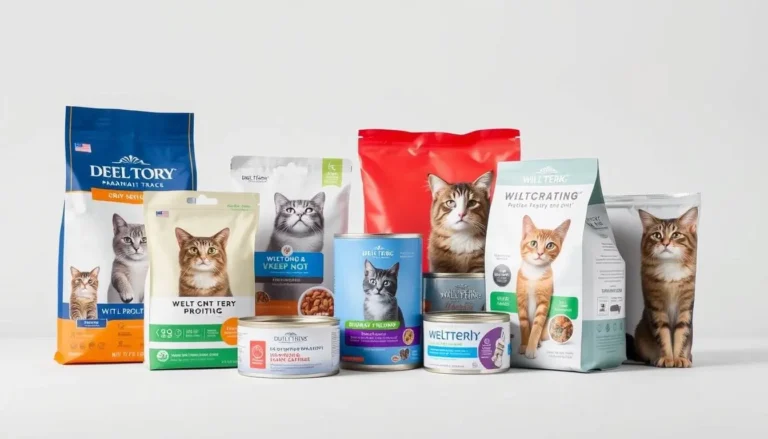
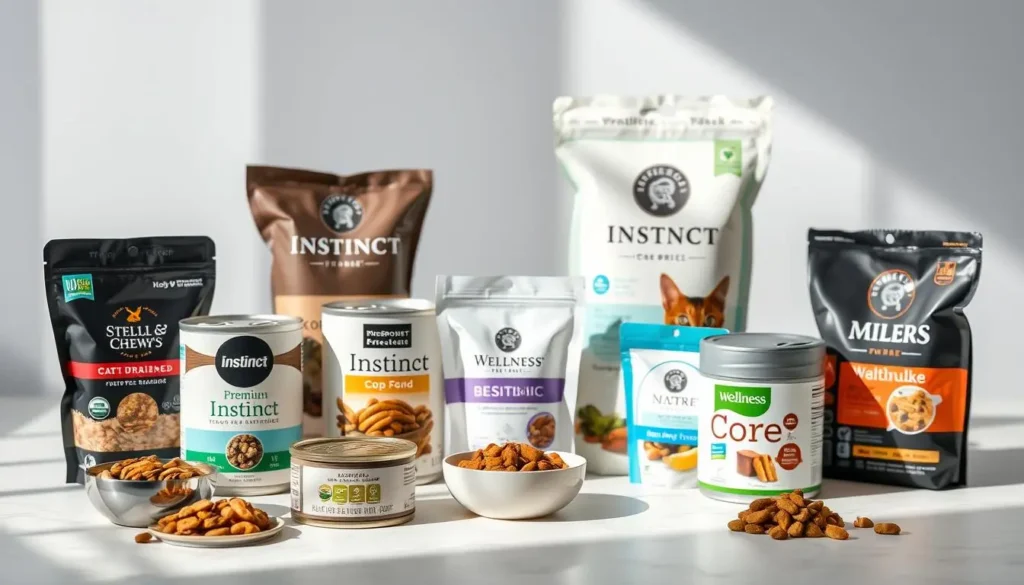
Stella & Chewy’s offers freeze-dried raw diets and mixers. Many owners use them as full meals or toppers. Primal Pet Foods sells freeze-dried patties and raw bites with a focus on minimal ingredients.
Instinct by Nature’s Variety provides freeze-dried raw bites and mixers that are easy to portion. Dr. Elsey’s makes treat-style freeze-dried options and toppers designed for palatability. Tiki Cat produces protein-forward wet and freeze-dried hybrid items that appeal to cats that prefer rich textures.
Pros from user reviews and expert testing
High palatability, improved coat health, and convenience are common positives. Many owners report that picky cats accept these foods as toppers or full meals. Expert testing highlights nutrient retention and the value of brands that declare AAFCO complete and balanced statements.
Cons from user reviews and transitions
Negative feedback includes higher cost per meal versus kibble and the need for rehydration for some cats. Chunk size varies by brand, which may not suit all dental needs. A few owners note digestive upset during diet switches, so a gradual transition is advisable.
Safety and testing notes
When reading freeze dried cat food reviews, check for third-party pathogen testing or pathogen reduction steps. Look for clear sourcing statements and nutrient analyses to confirm the product meets your cat’s life-stage needs.
Where to buy and how to compare prices
You can buy these brands at national pet chains like PetSmart and Petco. Online retailers such as Chewy and Amazon, and direct from brand websites are also options. Local independent pet stores offer personalized advice and sample sizes for trials.
Comparison tips
Calculate cost per calorie or cost per day for your cat’s weight to compare real value. Factor in shipping, subscription savings, and promotions. Look for bundle packs or sample sizes to try different proteins before committing to larger purchases.
Freeze dried raw cat food and premium organic options
Choosing between raw and cooked freeze-dried formulas can be confusing. This guide helps you understand the differences. It also looks at premium and organic claims and how to keep food safe at home.
Differences between raw and cooked formulas
Freeze-dried raw cat food starts with raw meat. It’s flash-frozen and dried with little heat. This keeps more nutrients and has a stronger smell.
Cooked then freeze-dried products are cooked first. This changes some nutrients and reduces enzymes. They have a milder taste and are safer from pathogens.
When reading labels, look for “freeze-dried raw” or “freeze-dried formula”. This tells you if it’s raw or cooked. It helps you choose what you prefer.
What makes a product premium or organic
Premium freeze dried cat food has more named-meat and clear sources. Brands like Stella & Chewy’s add omega-3s and probiotics. These support health and coat.
Organic freeze dried cat food follows USDA Organic rules. It often uses organic fruits and veggies but not always meat. Organic meat is rare and expensive.
Look for USDA Organic or Non-GMO Project seals. Look at the packaging to make sure it aligns with your beliefs.
Safety considerations and handling raw ingredients
Raw food safety is crucial, especially for vulnerable people. Avoid touching it if you can. If not, follow strict hygiene.
Good brands use steps like high-pressure processing (HPP) to reduce pathogens. They test batches for safety. Look for this on labels or websites.
When preparing freeze dried raw cat food, wash hands and surfaces. Follow the maker’s storage instructions. Never mix human food prep with pet food prep without cleaning.
These steps help you pick a safe and healthy food for your pet.
Using freeze dried cat treat and meal tips
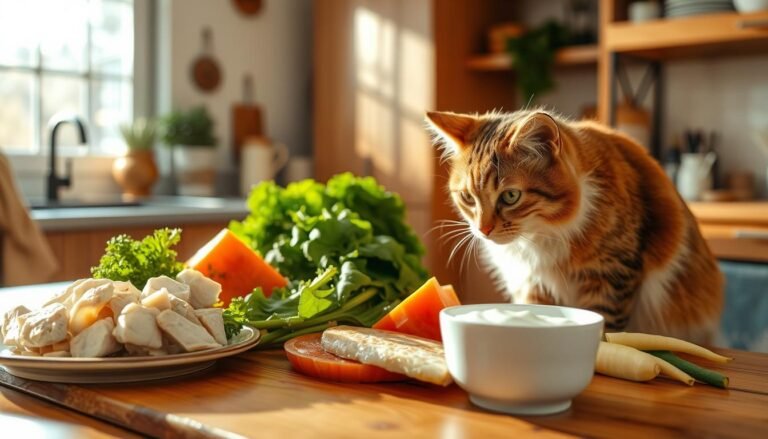
Freeze-dried pieces can make a bland meal exciting for your cat. Add them on top of wet or dry food to increase flavor and protein. Start with a small amount, like a tablespoon, and adjust as needed to avoid extra calories.
Change up the protein sources like chicken, turkey, and salmon to keep things interesting. This also helps prevent new sensitivities. For cats that are picky or recovering, add small freeze-dried pieces to their meals to encourage eating.
Rehydration methods can be quick or creamy. Mix warm water or low-sodium broth with the pieces and wait 30 seconds to five minutes. This lets your cat choose their preferred texture, from soft to saucy.
Try mixing rehydrated pieces with canned food for a creamy texture. You can also layer them on kibble for a moist touch. For a gravy-like consistency, blend the pieces and stir into meals.
Some cats love the dry texture of freeze-dried pieces. Serve them dry if your cat prefers. Switch between dry and rehydrated pieces to keep meals fun and varied.
Use small pieces as high-value training treats. Break larger chunks into tiny bits for more frequent rewards. Freeze-dried treats are great for quick learning because of their intense flavor.
Remember to count treat calories in your cat’s daily intake. Aim for 5–10% of daily calories and use a small scoop or kitchen scale to measure. For kittens or cats with dental issues, break pieces into smaller bits to reduce choking risk and make them easier to chew.
Conclusion
Freeze dried cat food is a great way to give your cat tasty, nutritious meals or toppers. It keeps protein, vitamins, and stays fresh longer than fresh food. Reading reviews can show how cats like it and how it affects their stool.
When picking the best freeze dried cat food, look for “complete and balanced” labels. Check for named protein sources, guaranteed analysis, and calorie content. Also, make sure it’s right for your cat’s life stage and that the maker follows safety standards.
Start slowly and talk to your vet, especially for kittens, seniors, or cats with health problems. Include freeze-dried food in your balanced diet. Watch your cat’s appetite and stool during a 2–3 week trial.
Try small amounts from brands like Stella & Chewy’s, Primal, and Instinct. Compare costs and see how your cat reacts. This will help you decide if freeze dried food is good for your cat.