Best Cat Wet Food Can for Feline Nutrition
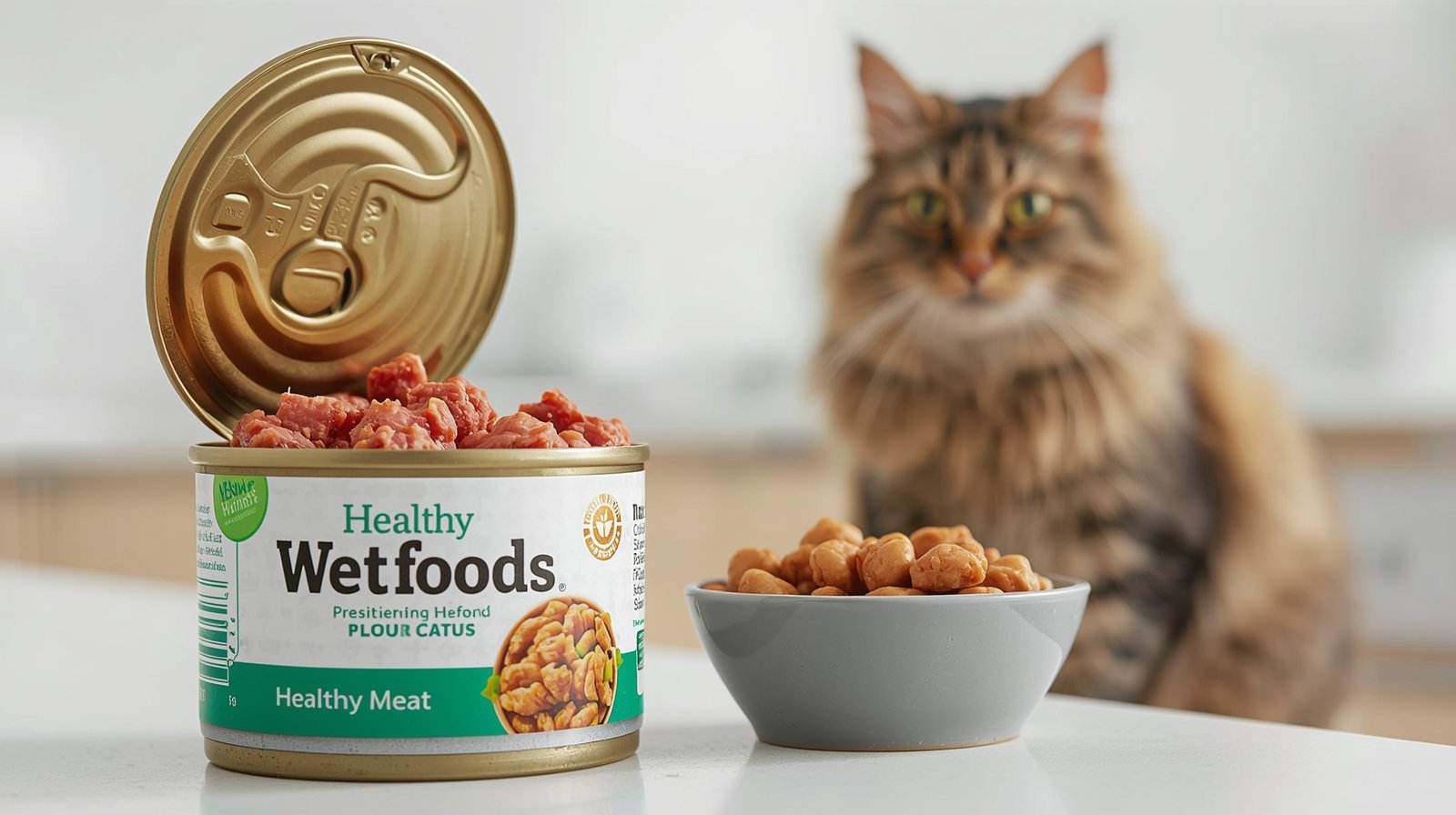
You’ve seen your cat’s ears perk up when they hear a can open. It’s a moment of trust, where they rely on you for every meal. Choosing the right cat wet food can greatly improve their hydration, digestion, and health. This guide aims to help you make the best choice for your cat’s nutrition.
This article is for U.S. cat owners looking for top-notch cat wet food. It offers evidence-based advice on nutrition, life stages, and ingredients. You’ll also learn about different can types, sizes, and brands, as well as tips for picky eaters.
You’ll find easy-to-follow steps and specific product recommendations. These will help you pick a cat wet food can that meets your cat’s needs and your budget. The advice is straightforward, making it easy to improve your cat’s nutrition today.
Why wet food matters for your cat’s nutrition
Wet food is key for cats. It offers moisture and protein in a tasty form. The right wet food can improve your cat’s hydration and digestion.
Hydration benefits and urinary tract health
Canned foods have 70–80% moisture, while kibble has about 10%. This extra water helps keep urine diluted. The American Veterinary Medical Association says this can lower the risk of urinary problems.
Good hydration helps the urinary tract and can prevent disease. If your cat has had urinary issues, a quality wet food can help protect their bladder.
How wet food supports weight management and digestion
Wet foods are less calorie-dense than kibble. This makes it easier to control portions for weight management. They also help keep your cat full between meals.
The texture of wet food is easier on cats’ teeth and digestive system. Pâté and shredded options are better for cats with dental issues or low appetite. This can improve digestion and reduce food avoidance.
Nutrient density compared with dry kibble
Premium canned foods have named proteins and fewer fillers than many dry foods. Always compare the guaranteed analysis on a dry-matter basis to see the true nutrient density.
When comparing labels, ignore moisture to compare calories and nutrients accurately. This helps you pick the Best Wet Cat Food for your cat’s needs.
| Benefit | Wet Food (Typical Canned) | Dry Kibble (Typical) |
|---|---|---|
| Moisture content | 70–80% — supports hydration benefits | ~10% — requires added water intake |
| Urinary tract health | Helps dilute urine; lowers crystal risk | Higher urine concentration risk |
| Calorie density | Lower per gram — easier portion control | Higher per gram — more likely to overfeed |
| Protein and carbs | Often higher protein, fewer carbs | Often lower protein, higher carbs |
| Palatability for picky or dental cats | High — soft textures and strong aroma | Variable — harder texture can be challenging |
| Best use | Hydration, urinary tract health, weight control | Convenience, dental kibble options |
How to choose the best cat wet food based on life stage and health
Choosing the right cat wet food is about matching it to your cat’s age and health. Look at the labels, follow the feeding guidelines, and think about the texture and can size. Making a good choice supports your cat’s growth, keeps them healthy, or helps in their senior years.
Kitten, adult, and senior formulation differences
Kitten food has more protein and fat to help them grow fast. It also has extra calcium and phosphorus for strong bones and lots of calories for their high energy.
Adult food keeps the nutrients balanced to maintain their body condition. Look for named meat sources and check the AAFCO statement to ensure it’s for adult cats.
Senior food has fewer calories and adds ingredients like glucosamine for joint health. It also has softer textures for cats with dental issues. Make sure the label says it’s for seniors to meet their needs.
Special-diet needs: urinary, renal, and weight-control formulas
Special-diet food for urinary health has the right mineral levels to prevent crystals. It also encourages more water intake. Wet food naturally helps with this.
Renal support food has less phosphorus and different protein to ease kidney work. Always use these under a vet’s advice. Talk to your vet before switching to any special diet.
Weight-control food has fewer calories but keeps protein and fiber to help cats feel full. If your cat needs to lose weight, a vet-approved special diet can help safely.
Understanding AAFCO statements and guaranteed analysis
AAFCO statements tell you if a food is complete and balanced for a certain life stage. Choose a food that matches your cat’s needs: growth, maintenance, or all life stages.
The guaranteed analysis shows protein, fat, fiber, and moisture. Convert these to a dry-matter basis to compare different foods. Look for named proteins first on the list.
When picking a cat wet food, check the AAFCO statements and guaranteed analysis. This ensures the food meets your cat’s needs and quality standards.
Ingredients to look for and avoid in premium cat wet food
When choosing premium cat wet food, check the ingredients list. It should list specific meats first. Also, look for beneficial fats and nutrients. Make sure it’s free from vague fillers and artificial additives.
High-quality animal proteins and named meat sources
Look for named proteins like chicken, turkey, tuna, salmon, beef, or duck at the top. Whole muscle meat or clearly identified meat meals are good signs. Check for an AAFCO “complete and balanced” statement and ensure taurine is present. Taurine is vital for heart and eye health in cats.
Beneficial fats, vitamins, and minerals
Healthy fats like omega-3 and omega-6, especially EPA and DHA from fish oil, are important. They support skin, coat, and brain health. Vitamins A, D, E, and B-complex should be listed. Calcium, phosphorus, zinc, copper, and selenium must meet AAFCO profiles for life stage. Prebiotics, probiotics, and antioxidants help with immune and digestive health.
Ingredients to avoid: fillers, artificial additives, and excessive carbs
Avoid vague terms like “meat by-products” without a named source. High levels of corn, wheat, or soy can lead to weight gain. Stay away from artificial colors, flavors, and unnecessary preservatives. Read labels carefully to avoid fillers that dilute protein and nutrient density.
cat wet food can
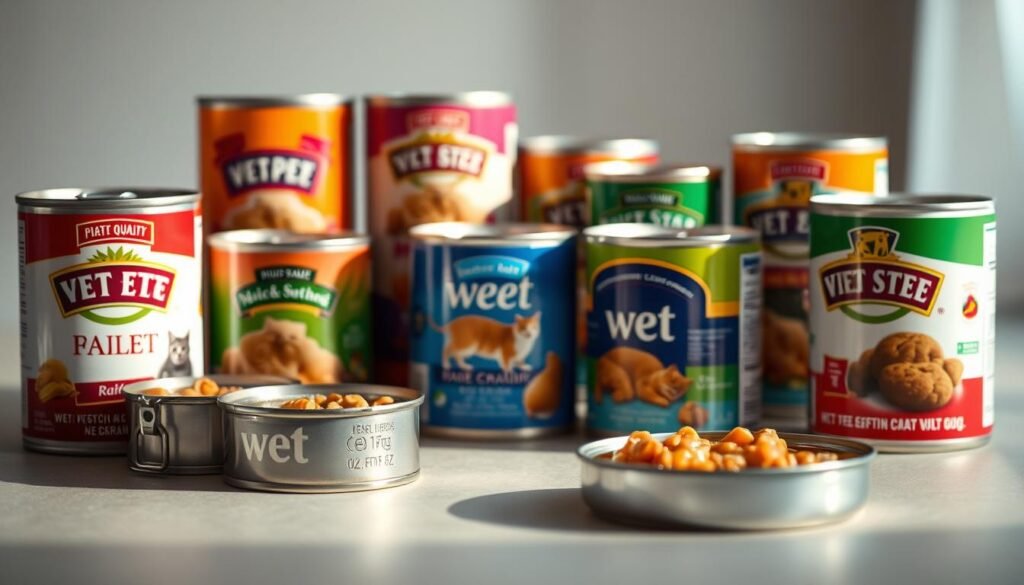
You want a reliable can that keeps your cat healthy and eager at mealtimes. A cat wet food can offers higher moisture and strong aroma that often wins over picky eaters. Pick a format that fits your household and feeding habits to get the best value and freshness.
Why canned options are a top-rated choice for many owners
Canned recipes usually contain more real meat and less starch than some dry kibbles. This makes canned food a top-rated cat wet food pick for cats with sensitive digestion or low thirst drive. The sealed can preserves aroma and flavor, which helps entice finicky cats back to the bowl.
Single-serve vs. multi-serve cans for convenience and freshness
Single-serve cans shine when you feed one cat or test new formulas. Small portions in single-serve cans cut waste and limit refrigeration needs. You can rotate flavors without losing freshness.
Multi-serve cans save money for multi-cat homes. Larger sizes match higher feeding volumes but need prompt refrigeration after opening. If you feed infrequently, a multi-serve can may cost more in spoilage than it saves.
How can size and texture affect palatability
Smaller cans help with portion control and let you offer variety. That keeps your cat interested and reduces the chance of stale bowls.
Texture matters as much as taste. Chunks or shredded meat in gravy deliver strong smells that attract many cats. Smooth pâté suits seniors with weak teeth and cats that prefer uniform bites. Choose textures that match your cat’s age, dental health, and taste.
| Consideration | Single-serve cans (2.8–3.5 oz) | Multi-serve cans (5.5–12 oz) |
|---|---|---|
| Best for | Solo cats, picky eaters, testing new recipes | Multi-cat households, bulk feeding, cost-conscious buyers |
| Freshness risk | Low; used in one meal | Higher; requires refrigeration after opening |
| Cost per ounce | Higher | Lower |
| Portion flexibility | Excellent | Moderate |
| Ideal palates | Finicky cats that favor variety | Steady eaters that accept same formula daily |
| Common formats | paté, chunks, shredded | chunks, shredded, gravy |
Top-rated cat wet food brands and popular cat wet food brands to consider
Choosing the right cat wet food can be tough. You want it to be nutritious, tasty, and safe. Here are quick guides to help you pick from vet-recommended, premium, and affordable options.
Profiles of trusted veterinary-recommended brands
Royal Canin, Hill’s Science Diet, and Purina Pro Plan are vet favorites. They offer special formulas for kidney, urinary, and weight issues. These foods are made with careful research and quality checks.
You can find them easily at vet clinics and stores. They promise consistent nutrients for your cat.
Notable premium brands and what sets them apart
Weruva, Tiki Cat, Fancy Feast Gourmet Naturals, Merrick, Wellness, and Blue Buffalo use better ingredients. They focus on named meats and fewer ingredients. These brands aim to please with taste and clear ingredient lists.
Affordable brand options that still meet quality standards
Purina Beyond, Fancy Feast Classic, and 9Lives are budget-friendly yet quality. They meet AAFCO standards for balanced nutrition. While they might have more fillers, they still support your cat’s daily needs with the right portions.
For health needs, choose vet-recommended. For top-notch ingredients and texture, go premium. For saving money, pick affordable options with clear labels. Watch how your cat reacts to the food.
Best cat wet food options for picky eaters and texture preferences
Looking for a way to please a picky cat? The right texture and presentation can make all the difference. Below, you’ll find information on different textures, tips for transitioning, and ideas for using toppers to make food more appealing.

Chunk, pâté, gravy, and shredded varieties explained
Pâté is smooth and firm. It’s great for cats with dental issues or those who like a smooth texture.
Chunks in gravy have solid pieces in sauce. Cats love this for its strong smell and taste.
Shredded looks like pulled meat. It’s perfect for cats who enjoy chewing and like different textures.
Loaf is a mix between pâté and chunks. It’s stable and has a predictable bite, which some cats prefer.
Tips for transitioning a picky cat to new wet food
When introducing new food, start slow. Mix 25% new with 75% old for three days.
Gradually increase the new food every 3–4 days. Aim for 100% in 7–14 days. Watch how your cat eats and their stool.
Warm the food a bit to make it smell better. Feed at the same times to reduce stress.
Using toppers and mixing techniques to increase acceptance
Use a little bit of tasty toppers to encourage your cat to eat. Try bonito flakes, tuna juice, or low-sodium bone broth.
Start with a small amount, like a teaspoon per meal. Too much can be bad for their diet.
Commercial gravies and toppers are good when used carefully. Mix well so every bite tastes the same.
| Texture | Best for | How to use toppers |
|---|---|---|
| Pâté | Cats with dental issues or those who prefer smooth meals | Sprinkle fine bonito flakes or a few drops of tuna juice to add aroma without changing texture |
| Chunks in gravy | Aroma-driven eaters and cats who like sauce | Stir in a small amount of low-sodium bone broth or commercial gravy topper to enrich flavor |
| Shredded | Cats that like meat-like textures and chewing | Toss in shredded cooked chicken or a light sprinkle of freeze-dried fish topper for texture synergy |
| Loaf | Cats who prefer a stable, sliceable meal | Blend with a teaspoon of warm broth or a minimal amount of commercial sauce to loosen edges |
Cat wet food reviews and how to evaluate cans before buying
When looking at cat wet food reviews, pay attention to both expert opinions and what real users say. Experts like vet nutritionists and pet-food labs check for nutrients, safety, and if labels are right. Real users share how their cats like the taste and how it works in real life.
Notice what reviewers say about how tasty the food is and if it agrees with their cat’s stomach. See if cats eat it well, if they throw up or have loose stools, and if their poop changes. Try a new food for 7–14 days to see how it affects your cat’s digestion and how they feel.
Here’s a quick guide to check when reading reviews and labels:
- Appetite appeal reports from many owners
- Frequency of digestive upset like diarrhea or vomiting
- Manufacturer responsiveness to questions or recalls
Compare prices by looking at the cost per can or ounce. This makes it easy to see if a food is worth it. If you’re watching calories, calculate the cost per calorie to compare different foods. This way, you can find a food that’s good for your cat and your wallet.
It’s important to know what’s in your cat’s food. Look for brands that tell you where the meat comes from and share feeding trial results. If a review mentions unclear labels or vague terms, be careful. Also, check if the brand has had recalls or meets high manufacturing standards.
When you look at both what experts say and what users report, focus on what’s consistent. Look for foods that taste good, don’t upset your cat’s stomach, are clear about ingredients, and are priced right. Try a small amount first to make sure it’s a good fit for your cat before buying more.
Feeding guidelines, storage, and convenient cat wet food options
Begin by following the feeding guidelines on the label. Adjust the portions based on your cat’s weight, age, and activity level. Adult cats usually need 24–35 kcal per pound each day, depending on their lifestyle.
For exact needs, use an online feeding calculator or ask your vet. Meal-feeding is better for controlling calories and weight than free-feeding for most cats.
Portioning is easier with measured containers or kitchen scales. Keep track of daily food intake. Split meals into two or three for adult cats to mimic natural grazing and reduce begging.
Portioning, feeding frequency, and using feeding calculators
Feeding calculators help translate kcal needs into grams or ounces per meal. Just enter your cat’s ideal weight and activity level for accurate portions.
If your cat is overweight, slowly reduce target calories and check weight weekly. For kittens, offer small meals often to meet growth energy needs.
How to store opened cans safely and extend freshness
Move leftovers from a cat wet food can to an airtight container right away. Metal cans can give a metallic taste if left open.
Refrigerate sealed leftovers and label with the open date. Discard after 48–72 hours. Don’t leave wet food at room temperature for more than two hours to avoid bacterial growth.
Convenient options: single-serve cans, trays, and delivery subscriptions
Single-serve cans and trays make portion control easy and keep food fresher. They’re great for cats on strict calorie plans and reduce waste.
Subscription services from Chewy or Amazon Subscribe & Save and brand direct plans save time and money on recurring orders. Automatic feeders can schedule meals, but wet food can spoil quickly in many.
Choose convenient cat wet food options that fit your lifestyle. Pick packaging and services that help you follow safe feeding guidelines while keeping meals fresh and easy to serve.
Conclusion
Choosing the right cat wet food is easy when you consider your cat’s age and health. Look for named animal proteins and check the AAFCO statements. Also, pick a size and texture that suits your cat’s eating habits.
These steps help you find the best cat wet food. They make sense of all the reviews out there.
Start by trying single-serve cans from brands like Hill’s Science Diet, Royal Canin, or Wellness. Watch how your cat reacts to the new food. Keep an eye on their hydration, weight, appetite, and stool quality.
Before buying in bulk, compare prices and read reviews. Always talk to your vet for special dietary needs.
Choosing a better cat wet food can improve your cat’s health. If you need personalized advice, ask for a list of recommended cans. Or, get a comparison of specific products to find the best fit for your budget and your cat’s taste.