Delicious Cat Wet Food with Tilapia Gravy

You know that moment when you open a can or rip open a pouch, and your cat zooms over, full of hope and determination. That small, eager face is why you hunt for the best cat wet food — products that pair appetite appeal with real nutrition. Cat wet food with tilapia gravy is built for that balance. It offers a flaky, lean protein in a savory sauce that tempts picky eaters while delivering moisture and nutrients your cat needs.
By “tilapia wet cat food” we mean wet, canned, or pouch-based formulas where tilapia is a main ingredient and a rich gravy boosts flavor. Typical formats include 5.5 oz cans and 2.8 oz pouches sold in single packs or multipacks for convenience and portion control.
Table of Contents
When you shop, aroma, texture, gravy consistency, ingredient clarity, guaranteed analysis, and price top the list. That’s why people search “premium cat food” and “best cat wet food” — they want tasty meals that meet nutritional standards and match their budget. In the U.S., look for AAFCO feeding trial or formulation statements and clear life-stage labeling like adult or all life stages.
In this article you’ll learn the nutritional strengths of tilapia, how gravy increases acceptance, product examples and ingredients to avoid, comparisons with other fish-based wet options, tips to introduce new food, and safety and shopping guidance to help you choose the right premium cat food for your cat.
Key Takeaways
- Cat wet food with tilapia gravy offers lean protein plus hydrating gravy for picky eaters.
- Tilapia wet cat food commonly comes in 5.5 oz cans and 2.8 oz pouches and in multipacks.
- Consumers prioritize aroma, texture, ingredient transparency, and guaranteed analysis.
- U.S. products should meet AAFCO feeding trial or formulation standards and list life stage.
- This guide covers nutrition, palatability, product examples, comparisons, and safe introduction tips.
Why Choose High-Quality Cat Wet Food with Tilapia Gravy
Choosing the right wet cat food can change mealtime for your cat. With so many wet cat food options on the market, you want a formula that supports hydration, digestion, and long-term health. High-quality cat food that features lean proteins and a tasty sauce can make meals more appealing and easier to eat for finicky or older cats.
Benefits of Wet Food for Hydration and Digestion
Wet food usually has between 70 and 85 percent water, which helps your cat stay hydrated. This boost in water intake supports urinary tract health and can lower the risk of feline lower urinary tract disease when paired with veterinary advice.
The softer texture of wet food is gentler on teeth and the digestive tract. You may find it is easier for senior cats, pets with dental issues, or those with sensitive stomachs to eat and digest.
Nutritional Advantages of Tilapia as a Protein Source
Tilapia cat food provides a lean source of animal protein with essential amino acids like methionine and arginine. These nutrients are crucial for obligate carnivores such as cats and help maintain muscle and overall body function.
Tilapia has modest levels of omega-3 and omega-6 fatty acids compared with salmon or tuna. Some manufacturers add DHA and EPA to tilapia recipes to support skin, coat, and cognitive health.
Fish can be a useful alternative for cats with chicken or beef sensitivities, but fish allergies do occur. Monitor your cat for any adverse reactions when introducing new proteins.
How Gravy Enhances Palatability and Acceptance
Cat food with gravy boosts aroma and moist mouthfeel. That combination often convinces picky eaters to try a new recipe and helps older cats with reduced appetite finish their meals.
Gravy can carry added vitamins and minerals evenly through the can or pouch, masking slight off-notes from proteins and improving acceptance. You should check labels, since gravy sometimes contains higher sodium or thickeners that may not suit cats with certain health conditions.
cat wet food with tilapia gravy
You want wet cat food that tastes great and meets nutritional needs. Tilapia wet cat food offers a mild white-fish flavor that many cats accept. Gravy adds moisture and appeal, so look for options that balance quality protein with a rich, safe sauce.
Product Examples and Flavor Profiles
Expect varieties like pure tilapia fillet in gravy, tilapia and shrimp in gravy, and tilapia blended with chicken broth. Brands such as Tiki Cat and Wellness offer premium lines highlighting single-protein or limited-ingredient recipes. You may also find mixed fish medleys featuring tilapia paired with salmon or whitefish.
Flavor profiles range from delicate white-fish notes to fuller seafood blends when combined with broth or shrimp. Gravy textures vary from light broth to thicker, gelatinous sauces that coat kibble and entice finicky eaters. Packaging claims such as “real tilapia,” “made in USA,” “grain-free,” and “limited ingredients” can signal quality, but read labels to confirm specifics.
Ingredients to Look For and Avoid
Look for a clear animal protein that is listed first, like tilapia, tilapia broth, or tilapia meal. Check for added taurine, named vitamins and minerals, and healthy fats like fish oil. These help keep the heart healthy, support good vision, and give a shiny coat.
Avoid vague meat derivatives or unnamed “fish” or “poultry.” Steer clear of artificial colors and flavors and excessive sodium. Minimize carrageenan if your cat has sensitivity and watch for high carbohydrate fillers such as corn or wheat. Choose natural preservatives such as mixed tocopherols instead of BHA and BHT.
If your cat has allergies, verify the ingredient panel and consult your veterinarian before switching to a new formula. Clear labeling helps you decide if a product truly matches your cat’s needs.
Guaranteed Analysis: Protein, Fat, Moisture, and Taurine
Typical guaranteed analysis for tilapia wet cat food lists crude protein near 10–12% on an as-fed basis, crude fat around 1–4%, and moisture from 70–82%. Many manufacturers add taurine to meet AAFCO minimums, often showing levels near 0.1% on a dry-matter basis.
To compare products accurately, convert numbers to a dry matter basis. That reveals true protein and fat percentages after removing moisture. AAFCO outlines adult maintenance minimums for protein and taurine, so check labels for compliance and named nutrient values.
Taurine is essential for heart and eye health. Reputable wet foods will list taurine and other key nutrients on the label, making it easier for you to choose a safe cat food with gravy that supports long-term wellbeing.
Comparing Tilapia Cat Food to Other Fish-Based Wet Cat Food

You want a wet cat food that your cat will eat and that fits your standards. Tilapia cat food offers a mild flavor and firm texture that can suit sensitive palates. Other fish like tuna and salmon bring stronger tastes and different fat profiles, so choosing between them depends on your cat’s preferences and your priorities.
Taste and Texture Differences Between Tilapia and Tuna or Salmon
Tilapia wet cat food tends to present a gentle, white‑fish taste and a flakier, firmer bite. Cats that dislike strong aromas may accept tilapia more readily.
Salmon and tuna pack richer flavor and softer mouthfeel because they contain more natural oils. Picky eaters often prefer tuna because its aroma drives quick interest.
Aroma heavily influences acceptance. If your cat is finicky, you may test small cans of tilapia and tuna to see which wet cat food options win faster acceptance.
Sustainability and Sourcing Considerations for Fish Proteins
Tilapia is mostly farmed. Sustainability varies by farm practices, so look for transparency and certifications such as ASC or third‑party audits when you evaluate brands.
Tuna and salmon can be wild‑caught or farmed. Wild catch methods and geographic origin affect mercury and ecological impact. Tilapia usually has lower mercury levels than larger predatory fish.
Check labels and manufacturer reports for catch location, aquaculture standards, and sustainability data before you commit to a brand of premium cat food or budget wet cat food options.
Price and Value: Premium Cat Food vs. Budget Options
Premium cat food with named tilapia and high meat inclusion costs more. You pay for clearer labeling, higher-quality ingredients, and stricter manufacturing controls.
Budget wet cat food options may list unspecified “fish” or include meat by-products and fillers. These cans can be cheaper per unit but offer less nutritional transparency.
Consider cost per serving and acceptance rates. Choosing the best cat wet food for your household may reduce waste, limit feeding trials, and lower long‑term vet costs tied to poor diets.
| Feature | Tilapia Wet Cat Food | Tuna-Based Wet Cat Food | Salmon-Based Wet Cat Food |
|---|---|---|---|
| Taste | Mild, subtle | Strong, highly aromatic | Rich, savory |
| Texture | Firm, flaky | Soft, flaky | Soft, oily |
| Fat Content | Lower natural oils | Higher natural oils | Higher natural oils |
| Mercury Risk | Lower | Moderate to higher | Moderate |
| Sustainability Notes | Depends on farming practice; look for ASC | Varies by species and catch method | Varies by wild vs. farmed sourcing |
| Best For | Cats preferring mild flavors; owners seeking lower mercury | Picky eaters drawn to strong aroma | Owners wanting rich taste and omega fats |
| Typical Price | Mid to premium | Wide range; budget to premium | Mid to premium |
| Recommended When | You seek a gentle wet cat food option with clear sourcing | Your cat refuses milder wet cat food options | You want omega-rich wet cat food for coat health |
How to Introduce Tilapia Gravy Wet Cat Food to Your Cat
Switching to a new cat wet food with tilapia gravy can be smooth when you follow a clear plan. Start with small steps, watch your cat closely, and adjust based on appetite and stool quality. A calm, predictable routine helps most cats accept new flavors with less stress.
Transitioning Gradually to Prevent Digestive Upset
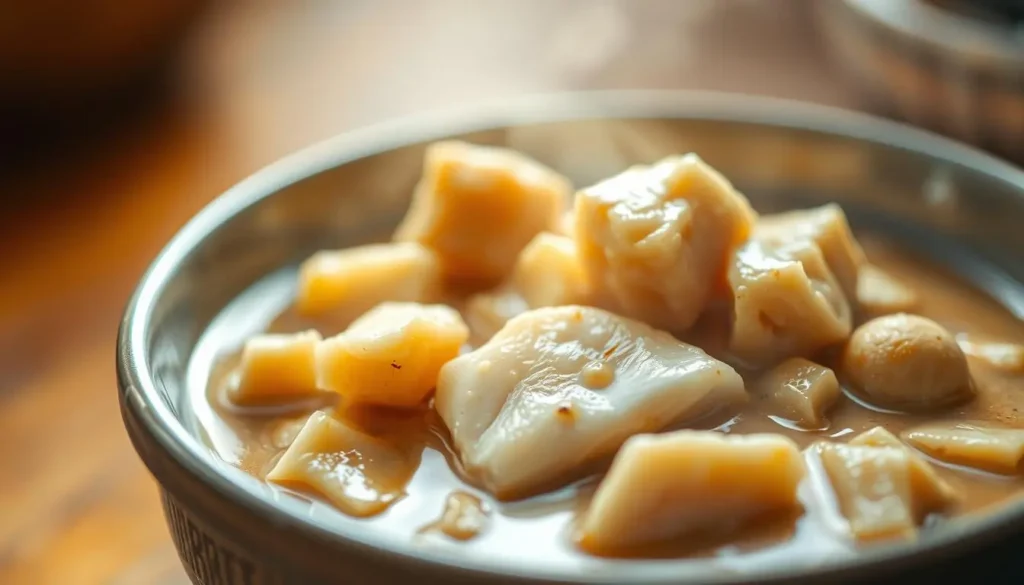
Use a 7–10 day transition plan: day 1–3 mix 25% new tilapia gravy for cats with 75% current food, day 4–6 raise to 50%, then 75% before providing 100% new food. Check stools and appetite during each step.
If your cat is sensitive, extend the transition to 2–3 weeks and increase the new cat food with gravy in smaller increments. Stop and call your veterinarian if vomiting or severe diarrhea occurs.
If your cat is on a therapeutic diet for a health condition, consult your veterinarian before switching proteins or brands.
Serving Tips: Temperature, Portions, and Pairing with Dry Food
Slightly warming wet cat food options brings out aroma and can entice picky eaters. Heat in short microwave bursts and stir, or use a bowl over warm water. Always test the temperature before you serve.
Follow label feeding guidelines based on your cat’s weight and activity. Wet food has more moisture and often fewer calories per gram than dry, so monitor total intake to avoid overfeeding.
To tempt fussy cats, spoon a little cat food with gravy onto kibble or use it as a topper. Supervise multi-cat households to prevent food-stealing and keep portions within daily caloric needs.
Monitoring Your Cat’s Response and Nutritional Needs
Track appetite, stool quality, coat condition, energy, and weight for 2–4 weeks after the change. Note signs of sensitivity such as vomiting, diarrhea, or itching. Keep a simple log to spot patterns quickly.
Kittens, pregnant, or nursing cats need products labeled for their life stage or a veterinarian-approved plan to ensure adequate taurine and other nutrients. Adjust feeding amounts as growth or lactation demands change.
If your cat has allergies or chronic conditions like kidney disease or heart issues, consult your veterinarian before making major diet changes. Your vet can confirm that the chosen cat wet food with tilapia gravy meets your cat’s needs.
| Step | Action | Why it Matters |
|---|---|---|
| 1 | Start 25% new tilapia gravy for cats mixed with 75% current food | Limits digestive upset while introducing new protein and flavor |
| 2 | Increase to 50% after 2–3 days if stools and appetite are normal | Allows gradual adaptation and assessment of tolerance |
| 3 | Move to 75% then 100% over the next 4–7 days | Completes transition without shocking the gut microbiome |
| 4 | Warm servings slightly and follow portion guidelines | Boosts palatability and helps control calories |
| 5 | Monitor weight, coat, energy, and stool for 2–4 weeks | Ensures the new cat food with gravy meets health needs |
| 6 | Consult your veterinarian for sensitive cats or medical diets | Protects cats with special nutritional or health requirements |
Choosing the Best Cat Wet Food: Shopping Guide and Safety
When you shop for your cat, focus on clear labels and trustworthy brands. Look for products that list specific ingredients like tilapia and state AAFCO compliance. These details help you compare cat wet food options and pick the best cat wet food for your pet’s life stage.
Certifications, Manufacturer Reputation, and Recalls
Research manufacturers’ reputations before you buy. Trusted U.S. and international brands such as Hill’s, Purina, and Royal Canin often publish sourcing and quality-control practices. Seek traceability, third-party audits, and clear recall histories from the FDA or brand webpages.
Check for certifications like AAFCO feeding-trial statements, ISO manufacturing standards, and aquaculture labels such as ASC for fish sourcing. Brands that communicate recalls openly and act quickly usually offer more reliable high-quality cat food.
Understanding Labels: “Complete & Balanced” and AAFCO Statements
“Complete & balanced” means the product meets AAFCO nutrient profiles for a specified life stage when fed as the only diet. Look for either an AAFCO formulation statement or evidence of feeding trials on the label.
Pay attention to life stage claims. Choose an adult-maintenance formula for grown cats or a growth formula for kittens. Read the ingredient list order carefully; the highest-weight ingredients appear first. Prefer explicit names like tilapia rather than generic terms such as “fish.”
Storage, Shelf Life, and Safe Handling of Wet Cat Food
Store unopened cans and pouches in a cool, dry place out of direct sunlight until the printed expiration date. Follow manufacturer storage notes for the best quality.
After opening, refrigerate leftovers in a sealed container and use within 48–72 hours. Discard wet food left at room temperature for more than 2 hours to avoid bacterial growth. For multi-day feeding, portion into single-meal containers to keep each serving fresh.
| Consideration | What to Look For | Why It Matters |
|---|---|---|
| Ingredient Transparency | Specific names like tilapia, listed first | Helps you choose high-quality cat food and avoid fillers |
| Nutrition Statement | AFFCO compliance or feeding trial results | Ensures the product is nutritionally complete for the stated life stage |
| Certifications | ISO, ASC, third-party audits | Offers extra assurance about sourcing and manufacturing |
| Recall History | Clear recall records and prompt communication | Indicates strong quality-control systems |
| Storage Guidelines | Printed dates, refrigeration instructions, single-serve portions | Maintains safety and freshness of cat wet food options |
| Palatability | Gravy or texture choices, flavor trials | Improves acceptance, useful when switching to tilapia cat food |
Conclusion
Tilapia-gravy options deliver a hydrating, appetizing choice for many cats. Cat wet food with tilapia gravy pairs lean tilapia cat food protein with savory cat food with gravy to boost acceptance, especially for picky eaters. The gravy helps maintain moisture intake and makes meals more appealing without hiding the need for clear ingredient lists.
When choosing the best cat wet food, look for reputable brands that list real ingredients and include an AAFCO statement. Transition your cat gradually to tilapia formulas to prevent digestive upset, monitor appetite and stool, and consult your veterinarian if your cat has allergies or medical issues. Safe storage and handling will protect freshness and nutrition.
If you want improved palatability or hydration, consider testing premium tilapia wet options tailored to your cat’s life stage. Shop now or compare top-rated tilapia wet cat food options on your preferred retail channels, and make choices based on ingredient transparency, guaranteed analysis, and your cat’s response.