
Tikicat: The Cutest Feline Friend You Never Knew You Needed
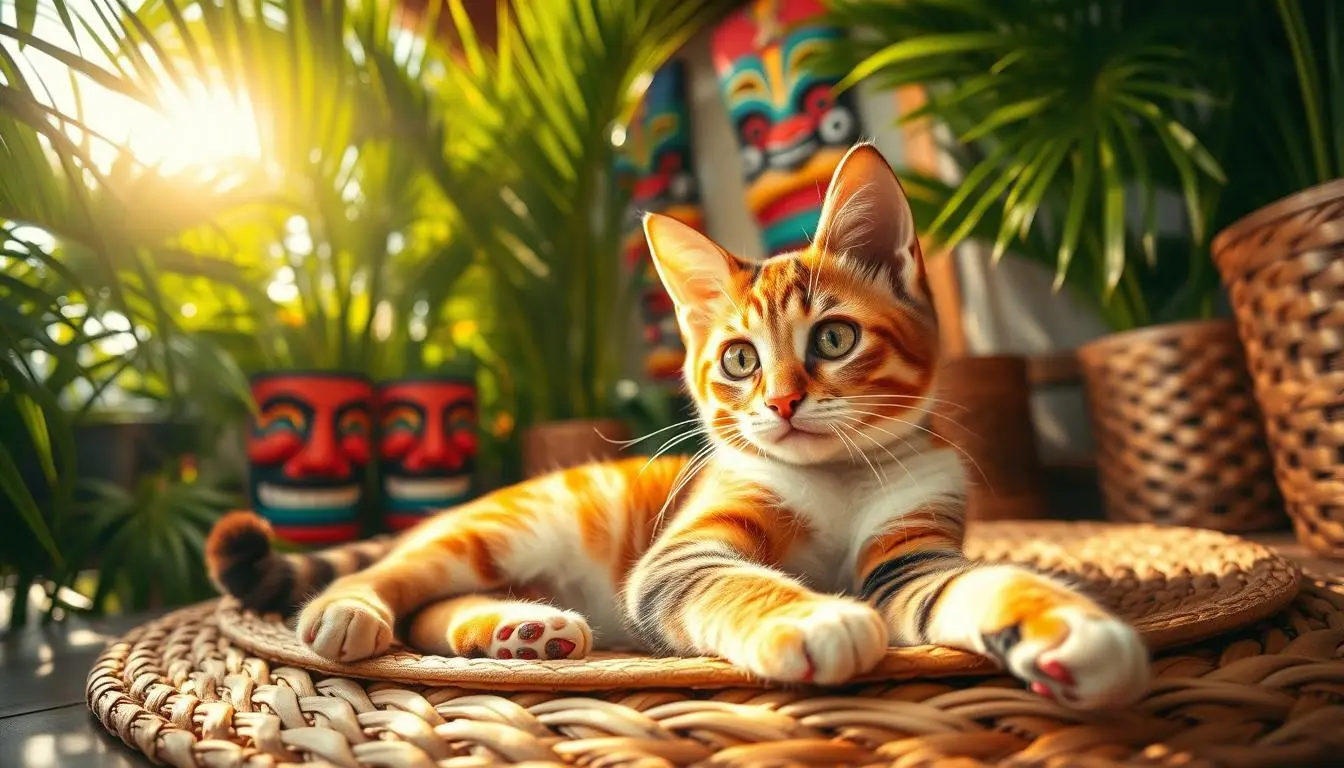
You know that warm feeling when you walk into a tiki bar, the smell of citrus and rum, the soft glow of bamboo lamps, and a melody that makes you breathe easier? Imagine that same calm and playful spirit living with you at home. That is the idea behind tikicat: a whimsical, tropical companion that blends classic pet love with the bright, relaxed vibes of tiki culture.
In this article you’ll learn where the tikicat idea comes from, how a tiki cat fits into a home full of tropical décor, and what daily care keeps this companion healthy and content. You’ll get practical tips on nutrition, grooming, playtime, and how to welcome your tikicat to social settings like a tiki cat lounge or a friendly tiki bar event.
This guide is for you—the tiki enthusiast in the United States who loves Mai Tais, midcentury bamboo furniture, and the idea of a pet that complements that aesthetic. By the end, you’ll have clear steps to bring a tikicat into your life, keep it thriving, and share its charm at gatherings, from casual house parties to spots that welcome pets in cities like Kansas City.
Table of Contents
Table of Contents
Meet tikicat: Your Tropical Feline Companion
You may have seen playful posts blending pets with retro island style. The tikicat idea grew from that mix. It springs from the midcentury resurgence of Polynesian pop and the tiki culture revival led by pioneers like Donn Beach and Trader Vic. Modern tiki bars, lounges, and social feeds fueled interest in themed lifestyles and pet-centered aesthetics.
Social media and niche communities pushed the tikicat into view. Influencers, vintage collectors, and bartenders at contemporary tiki venues embraced kitsch, palms, and rattan. Fans then began to match their pets to the scene, giving rise to a tiki themed cat concept that centers on mood, not breed.
The tikicat concept differs from recognized breeds. It is a lifestyle choice emphasizing grooming, personality, and safe accessories. You look for a cat that is friendly, adaptable, and tolerant of gentle handling. Cats like Siamese, Burmese, and Maine Coon can fit the persona when their temperament aligns with the idea, but individual behavior matters more than pedigree.
When you adopt the tikicat approach, you focus on sociability and calm energy. The ideal tikicat enjoys being near people, accepts light costume touches and lei-like collars, and is curious without being skittish. These traits make it easier for your cat to join relaxed gatherings or visit a tiki cat lounge with proper training and safety measures.
Visuals link the tikicat to island style. Think floral collars, lei-inspired toys, palm-print beds, and bamboo perches. A tiki themed cat concept blends color palettes from coral to teal and uses natural textures such as rattan and seagrass to create a cohesive look that feels warm and escapist.
Tiki culture’s focus on escapism and playful exoticism complements a laid-back household feline. When you match decor to your cat’s needs, the relationship becomes part of a larger aesthetic. Tiki-themed events and pet-friendly lounges can offer safe social settings where your tikicat persona thrives with gentle socialization and respect for animal welfare.
Why tikicat is the Perfect Pet for Tiki Culture Lovers
Your home can feel like a small island retreat when you bring a tikicat into your life. These cats match the calm, social mood of tiki culture and fit into relaxed gatherings without stealing the spotlight. Before you add one to your household, think about temperament, home setup, and how your pet will mix with guests.
Personality traits that suit a laid-back, island-inspired lifestyle
Look for a mellow temperament that enjoys quiet company. A tikicat often shows gentle curiosity and calm playfulness rather than bursts of high energy. Social cats that accept handled affection and occasional costumes work best for tiki-themed homes.
Assess temperament at shelters or during foster stays. Spend short visits watching how a cat greets strangers, responds to petting, and tolerates new sounds. Those observations predict how well your cat will handle tiki gatherings.
Use enrichment and simple training to build calm confidence. Clicker training, slow introductions to crowds, and predictable routines help a tikicat stay composed during parties.
Decor and home setup ideas to complement your tikicat
Choose durable, pet-safe natural materials like rattan, bamboo, and seagrass for furniture and scratching posts. These materials match the tropical vibe and resist wear from claws. Pick upholstery that is easy to clean and hides fur, such as tight weaves in teal, coral, sunset orange, or palm green.
Add tropical-print cushions and palm frond art for color and texture. Keep hazardous plants out of reach. Many popular tiki plants, including some philodendron and monstera varieties, can be toxic if chewed. Secure cocktail areas so your tikicat cannot access alcohol, citrus garnishes, or fresh mint.
Ways your tikicat can enhance tiki-themed gatherings
A well-socialized tikicat becomes a relaxed focal point at small events. Guests often enjoy a quiet cat greeting them and lounging nearby. That presence can soften the vibe and encourage low-key conversation.
Set clear boundaries to keep the cat comfortable. Provide retreat spots, schedule quiet hours, and limit loud music and crowded rooms. Teach guests simple etiquette: don’t feed from adult drinks, pay attention to the cat’s body language, and offer cat-safe treats if interaction is welcome.
| Area | Practical Tip | Why it matters |
|---|---|---|
| Temperament | Meet at shelter or foster first; watch greetings and handling tolerance | Predicts how well a cat fits a social, tiki culture home |
| Training | Use clicker training and calm exposure to crowds | Builds confident behavior for parties and public visits |
| Materials | Rattan, bamboo, seagrass furnishings and tight-weave upholstery | Matches tiki themed drinks aesthetic and stands up to wear |
| Colors & Decor | Teal, coral, sunset orange, palm green accents; tropical prints | Creates cohesive tiki cat lounge atmosphere |
| Safety | Remove toxic plants; secure cocktail areas and garnishes | Protects tikicat from alcohol, citrus, and harmful foliage |
| Guest Etiquette | Ask guests not to feed from drinks; use cat-safe treats | Maintains cat health and calm during gatherings |
| Social Spots | Introduce gradually if visiting a tiki cat bar or tiki cat lounge | Prepares cat for public settings while respecting venue rules |
Care and Wellness for Your Tikicat
Keeping your tikicat vibrant means steady attention to diet, grooming, and routine health checks. A simple plan helps you spot changes early and keep your companion comfortable in a tropical-inspired home.

Nutrition and diet tips tailored to maintain vitality
Choose high-quality, protein-focused commercial cat foods that match your cat’s life stage: kitten, adult, or senior. Brands such as Hill’s Science Diet, Royal Canin, and Purina Pro Plan offer life-stage formulas you can discuss with your veterinarian before switching diets.
Offer limited cat-safe freeze-dried fish treats and ensure your tikicat gets adequate taurine through food or approved supplements. Avoid tiki-themed human foods like coconut milk in large amounts, alcohol, and citrus. Those can cause tummy upset or worse.
Watch portions and body condition. Weigh your cat periodically and reduce or increase portions slowly to match activity level. Small, steady adjustments help prevent obesity and support long-term cat nutrition.
Grooming routines that keep your tikicat looking island-fresh
Set daily or weekly grooming depending on coat type. Short-haired tikicats benefit from once-weekly brushing. Long-haired companions need daily brushing to prevent mats. Trim nails every 2–4 weeks and check ears for wax or odor.
Practice dental care with tooth brushing or veterinarian-approved dental treats to lower plaque build-up. Keep flea, tick, and parasite prevention year-round using products your vet recommends for your region.
For styling, pick lightweight floral collars, washable bandanas, or non-restrictive leis made for pets. Supervise any accessory and remove it at night or during unsupervised time so your tikicat stays safe and comfy.
Health checks and common issues to watch for
Schedule annual wellness exams, keep vaccinations current, and plan dental cleanings as advised. Senior cats deserve more frequent monitoring for mobility, weight loss, or cognitive shifts. Routine cat health checks catch problems early.
Know common feline issues: urinary tract disease, dental disease, obesity, and stress-related behaviors. Watch for changes in litterbox use, appetite, grooming habits, or activity level. Those signals often mean a vet visit is needed.
Prepare for emergencies by keeping vet contact info handy, assembling a pet first-aid kit, and learning signs of poisoning from alcohol, xylitol, or toxic plants. Quick action can make a big difference for your tiki cat care and long-term wellbeing.
Tiki-Themed Playtime and Enrichment

Create playful rituals that match your tikicat’s natural energy. Short sessions at dawn and dusk work best. Use a mix of active and calm activities to keep your cat engaged without overwhelming it.
Toys and activities
Offer feather wands, puzzle feeders, and treat-dispensing toys that mimic hunting. Laser play is useful in moderation. Rotate tiki-themed toys every few days to keep novelty high and prevent boredom.
Introduce tiki culture enrichment with themed games. Hide treats in a faux sandbox filled with pet-safe filler for treasure hunts. Play ocean wave soundscapes during quiet play to set a tropical mood.
Safe tropical play environment
Choose non-toxic, durable materials. Keep loose decorations, strings, and small parts out of reach. Place window perches and rattan-style cat trees to maximize vertical space and sunny spots.
Secure hanging plants and faux palms so your tikicat cannot pull them down. Arrange furniture to allow quick escapes and clear sightlines for stalking and pouncing play.
DIY tiki projects and scratching solutions
Build a tiki cat scratcher by wrapping sisal around sturdy posts and dressing them with removable tropical fabric. Make cardboard tiki huts with cutouts for peek-and-pounce sessions.
Craft wand toys from wooden dowels and sewn fabric feathers. Use pet-safe glues, non-toxic finishes, and avoid small detachable decorations. Supervise first play sessions to check durability.
Upcycle wooden crates into modular cat furniture. Sand edges smooth, seal surfaces with non-toxic products, and ensure stability before letting your tikicat explore.
Bringing Tikicat into Social Spaces and Events
Before you invite guests or plan an outing, prepare your tikicat with slow steps. Start with brief visits from one or two calm people. Give your cat a quiet retreat with a blanket or carrier. Use treats and gentle praise when your tikicat approaches visitors.
Watch for stress signals like hiding, hissing, flattened ears, or excessive grooming. If you see these signs, remove your tikicat to its retreat and let it relax. Schedule social time when your cat is most relaxed. Brief interactions help build positive memories.
When children or unfamiliar adults arrive, brief them on gentle handling. Ask guests to let the tikicat come to them. Offer praise and treats for calm behavior to reinforce comfort around people.
Many public venues do not allow pets because of health rules. Always check a venue’s policy and local health codes before planning visits. If a place advertises pet-friendly hours, confirm details ahead of time.
If you take your tikicat to a pet-friendly tiki cat bar or a tiki cat lounge, bring essentials: harness or carrier, portable litter box, water, and a quiet covering for a retreat. Keep vaccinations and parasite prevention current. Make sure your tikicat handles noise, crowds, and music well before entering a busy tiki bar experience.
Protect your tikicat from hazards. Keep it away from alcoholic drinks, toxic garnishes, and sweeteners like xylitol in syrups. Monitor interactions with other animals and people. Offer escape options so your cat never feels trapped.
Private tiki-themed events often work best for introducing a cat to social settings. Limit guest lists, control noise and lighting, and provide multiple safe spots for retreat. Host the gathering in familiar spaces when possible to reduce stress.
Consider partnering with bars or event planners for cat-safe pop-ups. Work with venue managers to meet health rules and design a layout that prioritizes animal welfare. Seek out local pet-friendly lounges, cat cafés, or community events that explicitly welcome animals.
Spotlight examples of success show how a calm tikicat can add warmth to a tiki bar experience. In a controlled tiki cat bar setting, cats enjoy low crowds and quiet corners. In a tiki cat lounge, staff trained in animal care can help guide visitors. Seek out the best tiki bars and lounges that list pet-friendly policies to ensure a positive visit for your tikicat and your guests.
Shopping, Adoption, and Community Resources
If you want to outfit your home and pet for a tropical vibe, start with trusted retailers that carry tiki-themed cat products. Look at specialty pet boutiques for handcrafted collars and beds. Etsy offers handmade leis and bandanas with unique prints you won’t find in big-box stores. Chewy and Petco stock durable tropical beds and rattan-style furniture made for pets. Target and Wayfair have adaptable tiki-style décor you can repurpose for your cat’s corner.
Prioritize washable, non-toxic, sturdy items when you shop. Check product reviews and material lists for safety. Brands with reputations for pet-friendly designs and sustainability often list certifications and care instructions that make choices easier for you.
If you plan to adopt cat companions, use established resources to find healthy matches. Search Petfinder or Adopt-a-Pet to locate local shelter listings. Fostering first lets you test compatibility with your lifestyle and décor. You can also contact local rescues to learn about temperament and care needs before you commit.
Support your local animal community by donating, volunteering, or sponsoring adoption events. Many cat cafés and rescue groups welcome help with socialization or driving animals to vet appointments. Hosting or sponsoring a tiki-themed fundraiser can pair your love of island culture with a cause that helps animals in need.
To find pet-friendly nightlife and gatherings, research venues before you go. For example, in Kansas City you can look for tiki cat Kansas City events or bars that run open-air nights. Use Google Maps, Yelp, and social media groups focused on tiki culture and pets to spot the best tiki bars that welcome pets. Call venues directly to confirm current pet policies and any restrictions.
Attend tiki-themed markets, pop-ups, and pet-friendly festivals to meet other owners and discover new products and rescues. These events let you compare tiki-themed cat products in person and ask makers about materials and care. You will build community, find reliable shopping sources, and help more cats find homes when you choose to adopt cat options through local partners.
Conclusion
Your tikicat blends the calm charm of a cat with the colorful spirit of tiki culture. You learned what a tikicat represents, how to judge whether this tropical companion fits your routine, and practical care tips—from balanced nutrition to vet checks—that keep your cat healthy while you enjoy tiki-themed decor and tropical cocktails at home.
When planning outings, remember safety and welfare come first. Prioritize regular veterinary care, a diet suited to your cat’s needs, and décor choices that avoid hazards. Respect venue policies and your cat’s comfort if you explore a tiki bar experience or a tikicat lounge; not every space will suit every animal.
Start small: add a few tiki-inspired toys or a safe scratching post, join local groups like tiki cat Kansas City fans, or visit pet-friendly tiki bars to learn what works for your cat. Consider adopting or fostering to expand the community of cats who enjoy island-style living.
Make your cat’s comfort the guiding principle as you build a relaxed, tropical life together. With thoughtful care, enrichment, and respect for both your pet and public spaces, you can enjoy the vibe of tiki culture, a welcoming tiki bar experience, and cozy nights in a tiki cat lounge while keeping your tikicat healthy and happy.





One Comment