Discover the Best Kitten Food to Nourish Your Feline
When you first brought your kitten home, you felt joy and responsibility. Tiny paws, bright eyes, and a future to protect. What you feed them now shapes their growth, immune strength, and brain development.
Choosing the best kitten food is crucial. Kittens grow fast in the first year. They need nutrient-dense meals to avoid obesity, dental problems, and developmental gaps.
This article is your practical buying and feeding guide. You’ll learn how to spot high quality kitten food and understand essential nutrients. We’ll cover top-rated and premium kitten nutrition from trusted brands like Royal Canin and Hill’s Science Diet.
You’ll also find vet recommended kitten food insights and feeding schedules. We’ll provide portion examples by age and clear signs to consult a veterinarian. By the end, you’ll know how to read labels and transition foods without upsetting your kitten’s stomach.
Table of Contents
The importance of choosing the right nutrition for your kitten
When you bring a kitten home, the food you pick is key. It shapes their growth, immunity, and behavior. In the first 6–12 months, they grow fast, build brain connections, and strengthen their immune system. Choosing the best kitten food and a balanced diet is crucial for their adult life.
Why early nutrition shapes long-term health
Rapid development needs nutrient-dense recipes. High quality kitten food ingredients are essential. Protein supports muscles, DHA helps vision and learning, and calcium and phosphorus protect bones. Vets recommend energy-rich, complete diets for kittens, not adult formulas.
Key growth milestones and nutritional needs
Birth to 4 weeks: kittens need milk and frequent feedings. At about four weeks, start offering moistened kibble or canned food for kittens.
4–12 weeks: growth is intense. Calories and protein must be higher than for adults. Choose formulas labeled for kittens or vet recommended kitten food.
3–6 months: growth continues rapidly. Offer measured portions several times daily to support steady gains without overfeeding.
6–12 months: growth slows for many breeds. Large breeds like the Maine Coon may need kitten diets longer. Work with your veterinarian to time the switch to adult food.
Common signs of inadequate diet to watch for
Look for poor weight gain, a dull coat, chronic diarrhea or vomiting, and low energy. Recurrent infections or abnormal gait can signal mineral imbalances or nutrient gaps. If any of these occur, schedule a vet visit right away.
Routine wellness checks let you track growth and adjust feeding. Choosing vet recommended kitten food and consistently feeding a balanced kitten diet reduces risk. It gives your kitten the best chance at healthy maturity.
Understanding kitten-specific nutrient requirements
When you bring home a kitten, your choices shape their growth, energy, and health. Kittens need more calories, protein, and minerals than adult cats. Choose foods labeled for growth or all life stages to ensure safe development.
Protein, fat, and calories: what kittens need
Kittens need about 30% protein or more in their food. This protein helps their muscles and organs grow. Fat is also key, as it gives them energy and supports brain growth.
Calories are important too. Kittens need two to three times more calories than adult cats. Look for foods that are high in calories but not too much.
Essential vitamins, minerals, and taurine
Taurine is crucial. Without it, kittens can lose their vision and have heart issues. Make sure the food label meets AAFCO growth standards.
Calcium and phosphorus must be in the right ratio for strong bones. Vitamin D helps with calcium absorption. B vitamins and antioxidants like vitamin E and zinc boost their immune system.
Choosing premium kitten food means getting DHA and EPA for brain and eye development. Foods with fish oil or algal DHA help kittens reach important milestones.
Hydration and wet vs. dry food considerations
Kittens need more water than adults. Wet canned food is full of moisture, which is good for their urinary health. If you use dry kibble, make sure they drink water with fresh bowls or a fountain.
Many owners mix wet and dry food for a balanced diet. This mix offers the convenience of kibble and the moisture of canned food. Choose high quality kitten food that fits your routine and your kitten’s taste.
How to evaluate ingredients: spotting high quality kitten food
Choosing the right formula starts with the label. Look for clarity, real animal proteins first, and nutrients that match growth needs. Check the ingredients, guaranteed analysis, and feeding-trial statements before buying.
Reading the ingredient list like a pro
Find named meats like chicken, turkey, or salmon at the top. Ingredients are listed by weight before cooking. This means fresh meat may appear higher than rendered meals, even if the dry matter is different.
Use the guaranteed analysis to compare protein and fat on a dry matter basis. This helps when comparing wet versus dry formulas.
Ingredients to prioritize and ingredients to avoid
First, look for high-quality animal protein as the first ingredient. Also, named fat sources like chicken fat or salmon oil are key for essential fatty acids. DHA and omega-3 sources support brain and eye development.
Whole-food inclusions like pumpkin for gentle fiber or blueberries for antioxidants add value. They should be present in meaningful amounts.
Avoid vague meat by-products without species identification. Also, steer clear of formulas heavy in corn, gluten meal, or other fillers. Artificial colors and flavors add no nutrition and should be avoided.
Be cautious with pea- and lentil-heavy grain-free recipes. Some diets have been linked to heart issues in other species. Your vet may have concerns.
Understanding manufacturing claims and labels
Marketing terms like natural, holistic, or premium are not tightly regulated. Look for an AAFCO feeding trial statement or a nutrient profile that states the food is complete and balanced for growth. When you see vet recommended kitten food on the label, check if the claim is based on a specific clinical basis.
Brands like Hill’s Science Diet, Royal Canin, Purina, and Blue Buffalo often publish formulation or trial data. This data can be reviewed.
Organic kitten food carries USDA Organic standards for ingredient sourcing. Make sure the organic option still meets kitten growth nutrient needs. Check manufacturer recall history and quality-control practices to gauge brand transparency before committing to the best kitten food for your litter.
best kitten food: top-rated options and categories to consider
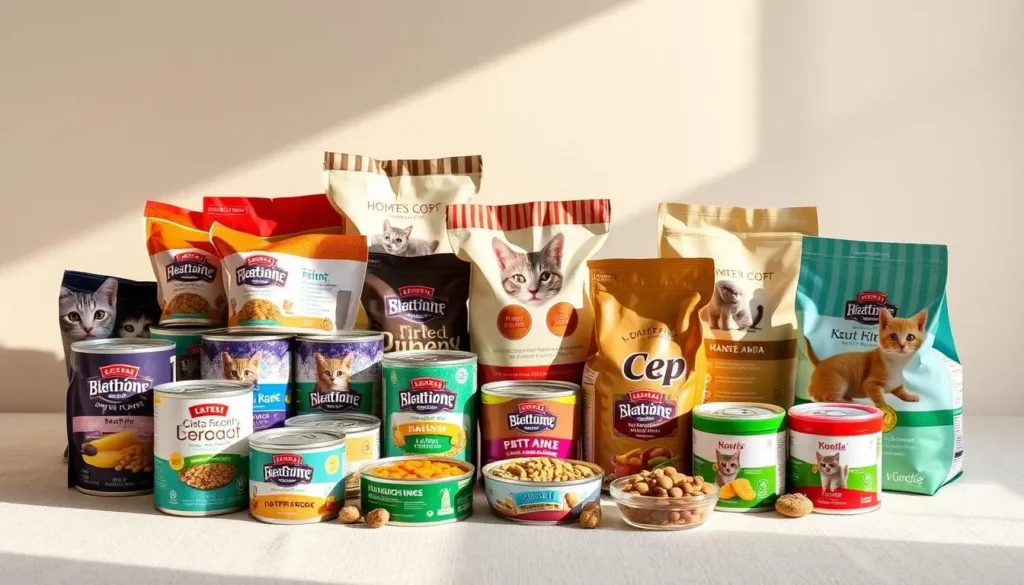
Choosing the best kitten food is about finding the right mix of nutrition, taste, and cost. First, think about your kitten’s health, how much they eat, and any allergies they might have. Look for foods with real animal protein first and make sure they meet AAFCO growth standards for complete nutrition.
Here are quick guides to help you pick the best food for your kitten. These guides compare texture, ingredients, and what the food does for your kitten’s growth and health.
Top rated kitten food brands for overall nutrition
Vets often suggest Royal Canin Kitten, Hill’s Science Diet Kitten, and Purina Pro Plan Kitten. These brands offer balanced growth formulas. They have the right calories, DHA for brain health, and minerals for strong bones.
Premium kitten nutrition picks for picky eaters
For kittens that are picky, try Wellness Complete Health Kitten, Blue Buffalo Wilderness Kitten, or Merrick Purrfect Bistro Kitten. These foods have high-quality proteins and tasty textures that even the fussiest eaters will like.
Grain-free kitten food and when it’s appropriate
Grain-free kitten food is good if your vet says your kitten has a grain allergy. Blue Buffalo Wilderness and Wellness Core offer grain-free options. But, don’t switch foods just because it’s trendy. Always check with your vet first.
Wet food is great for extra moisture and calories. Fancy Feast Healthy Kitten, Wellness Core canned, and Purina Pro Plan canned are good choices to add to dry food.
Organic options are available from Castor & Pollux Organix and some Wellness Organics lines. But, make sure the label says “complete and balanced” for growth before choosing organic.
| Category | Representative Brands | Why choose | Ideal for |
|---|---|---|---|
| Mainstream vet-backed | Royal Canin Kitten, Hill’s Science Diet Kitten, Purina Pro Plan Kitten | Clinically formulated, consistent nutrition, widely used in clinics | Kittens with standard needs or vet-recommended diets |
| Premium natural | Wellness Complete Health Kitten, Merrick Purrfect Bistro Kitten | Higher protein, premium ingredients, added DHA and antioxidants | Picky eaters and owners wanting premium kitten nutrition |
| Grain-free | Blue Buffalo Wilderness, Wellness Core Grain-Free | No grains, often higher protein, alternatives to corn/wheat recipes | Kittens with diagnosed grain intolerance or specific vet guidance |
| Wet food leaders | Fancy Feast Healthy Kitten, Wellness Core canned, Purina Pro Plan canned | High moisture, rich protein, encourages hydration and palatability | Kittens needing more fluids or extra caloric density |
| Organic options | Castor & Pollux Organix, select Wellness Organics | Certified organic ingredients, limited artificial additives | Owners seeking organic-certified formulas that are complete for growth |
Choose a food that fits your kitten’s taste, health needs, and your budget. Mix up flavors carefully but keep the nutrients the same. If you’re unsure, take sample bags to your vet for advice on the best kitten food for your pet.
Vet recommended kitten food and when to consult a professional
If your kitten is not growing well, keeps vomiting, has skin issues, or shows signs of food allergies, see a vet. They can also help if your kitten has urinary problems, eats less than usual, or you don’t know what they ate before. It’s a good time to talk about the best food for your kitten during routine check-ups.
Your vet will consider your kitten’s health, age, and weight when suggesting food. They often recommend brands like Hill’s Science Diet, Royal Canin, and Purina Pro Plan. These brands have formulas backed by research and strict quality checks. Ask about the best food for your kitten’s needs and lifestyle.
When to seek a vet’s dietary guidance
If your kitten is losing weight or not gaining it, or has ongoing stomach problems, see a vet quickly. They can check for parasites, infections, or other health issues that might look like feeding problems.
Problems like skin issues, hair loss, or ear infections could mean your kitten has food allergies. Your vet can suggest a special diet or an elimination trial to find the cause.
Prescription and specialty diets for health conditions
For serious health issues, your vet might recommend special kitten food. This could be for kidney problems, urinary disease, allergies, or metabolic disorders. They might suggest Hill’s Prescription Diet or Royal Canin Veterinary Diet.
These diets are made to meet specific nutritional needs. They might have controlled phosphorus or special proteins. Always follow your vet’s advice on how much to feed and don’t swap with regular food.
How to transition your kitten under vet supervision
Changing your kitten’s diet should be done slowly unless your vet says otherwise. A 7–10 day transition is common: start with 25% new food, 75% old for two days. Then, move to 50/50 for two to three days, then 75/25, and finally, full new diet.
Watch your kitten’s stool, appetite, weight, and behavior during the transition. If they get worse vomiting, diarrhea, or lose appetite, call your vet right away.
| Trigger for Vet Visit | Possible Vet Action | Dietary Solution Examples |
|---|---|---|
| Poor weight gain or weight loss | Weight curve, body condition scoring, caloric adjustment | High calorie kitten formulas; vet recommended kitten food plans |
| Chronic GI signs | Fecal tests, diagnostics, elimination trials | Novel protein diets, hydrolyzed prescription kitten food |
| Urinary crystals or infections | Urinalysis, diet to control minerals and pH | Veterinary urinary therapeutic diets from Royal Canin or Hill’s |
| Severe skin allergies | Allergy testing, food trials, supplement guidance | Hypoallergenic prescription formulas; omega-3 supplements |
| Post-rescue unknown history | Baseline bloodwork, parasite control, tailored feeding plan | High quality kitten food recommendations from your clinic |
Feeding schedules, portioning, and transitioning foods
Getting feeding right is key for steady growth and a balanced kitten diet. Follow age-based routines and watch body condition. Plan gradual switches to new formulas. Use high quality kitten food as your baseline.
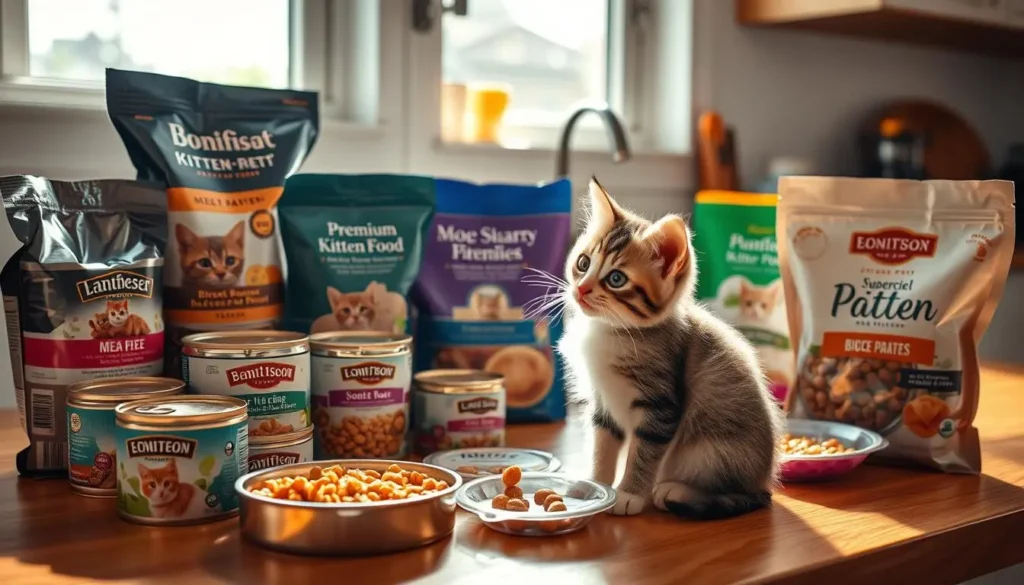
How often to feed kittens by age
Newborns (0–4 weeks) need milk or a kitten-formulated replacer every few hours. At 4–12 weeks, offer small, frequent meals as you wean; aim for four feedings a day. From 3–6 months, move to three to four meals daily.
Between 6–12 months, reduce to two to three meals, shifting toward an adult schedule near 12 months. Adjust timing for large breeds and active kittens.
Calculating portions for healthy weight gain
Start with the feeding guide on your chosen best kitten food. Estimate daily calorie needs from the manufacturer, then divide by your meal frequency. Monitor weight weekly and tweak portions to maintain steady growth without excess.
Use body condition scoring: you should feel ribs under a light layer of fat and see a tucked waist behind the ribs.
Step-by-step food transition to prevent upset stomach
Switch foods slowly over 7–10 days. Days 1–3 mix 25% new food with 75% old. Days 4–6 use a 50/50 mix.
Days 7–9 move to 75% new, then complete the change. For sensitive kittens, extend this schedule to 2–3 weeks. Warm wet food slightly to improve acceptance.
Special situations and practical tips
If you care for orphaned kittens, use a kitten-specific replacer like KMR. Never feed cow’s milk. In multi-cat homes, feed kittens separately to prevent adults from blocking access.
When you choose a high quality kitten food, prioritize balanced kitten diet formulations with clear feeding instructions.
| Age Range | Meals per Day | Key Feeding Notes | Example Goal |
|---|---|---|---|
| 0–4 weeks | Every 2–4 hours | Milk or kitten replacer only; monitor hydration | Frequent small feedings for steady intake |
| 4–12 weeks | 4 meals | Start weaning to wet or softened dry best kitten food | Shift to solid tastes while keeping calories up |
| 3–6 months | 3–4 meals | Use top rated kitten food feeds; increase protein and fat | Support rapid growth with calorie-dense meals |
| 6–12 months | 2–3 meals | Gradually reduce frequency; monitor body condition | Prepare transition to adult feeding routine |
| Transition tips | 7–10 days (or longer) | Slow mix schedule: 25/75 → 50/50 → 75/25 → full switch | Minimize GI upset and refusal |
Treats, supplements, and building a balanced kitten diet
Treats and supplements should enhance health, not harm it. Start with complete commercial foods as your base. Use treats sparingly and choose options made for kittens to keep calories and nutrients balanced.
Choosing safe treats that support nutrition
Choose freeze-dried meat treats for kittens or small-breed cats. Options like pure chicken, turkey, or salmon add protein without fillers. Crunchy kitten-specific biscuits help with early dental habits and complement the best kitten food.
Limit treats to under 10% of daily calories. Avoid raw meats, unseasoned human food high in salt, onions, garlic, chocolate, grapes, raisins, and cow’s milk. Never give bones that can splinter.
When supplements are necessary and which to use
Most complete commercial kitten diets provide all the nutrients needed. Add supplements only when a vet diagnoses a deficiency or prescribes them.
Common supplements include omega-3 (DHA) for brain health, probiotics for digestive issues, and targeted vitamin or mineral corrections. Do not add calcium or vitamin D without vet advice; too much can harm bones.
Creating balanced meal plans with commercial foods
Start with a complete, balanced commercial diet. Mix wet and dry forms for better hydration and dental health. Rotate flavors within the same formula to reduce picky eating and keep nutrients stable.
Measure portions, keep set feeding times, and log intake plus weight. If considering homemade or raw diets, consult a vet nutritionist to avoid nutrient gaps that can lead to taurine deficiency.
| Component | Recommendation | Why it matters |
|---|---|---|
| Base diet | Complete commercial kitten food | Provides balanced amino acids, vitamins, and minerals for growth |
| Treats | Freeze-dried meat or kitten-specific crunchy treats; <10% daily calories | Supports training without disrupting overall nutrition |
| Supplements | Only if vet prescribes (omega-3, probiotics, targeted corrections) | Used to correct diagnosed deficiencies safely |
| Hydration | Combine wet and dry foods | Improves water intake and supports urinary health |
| Special diets | Consult a veterinary nutritionist for homemade or raw plans | Prevents nutrient imbalances and long-term health risks |
| Quality markers | Look for formulas described as premium kitten nutrition or vet recommended kitten food; consider organic kitten food if you prefer limited ingredients | Helps ensure trustworthy sourcing and nutrient guarantees |
Conclusion
You want the best kitten food for your cat’s strong start. Look for kitten-specific formulas that are “complete and balanced” for growth. Make sure they have high-quality animal protein, DHA, and taurine.
Balance wet and dry food to keep your kitten hydrated and happy. Choose top rated kitten food or premium kitten nutrition from trusted brands like Royal Canin and Hill’s Science Diet.
Before buying, check the ingredient lists and guaranteed analyses. Pick a vet recommended kitten food that meets your kitten’s needs. Follow age-appropriate feeding schedules and calculate portions for steady weight gain.
Transition foods slowly to avoid digestive upset. Monitor stool and appetite as you make changes.
Regularly weigh and assess your kitten’s body condition. Watch for signs of poor nutrition like dull coat, low energy, or stalled growth. Schedule wellness checks with your vet to fine-tune their diet.
Choosing the best kitten food now ensures your kitten grows into a healthy adult. Invest in premium kitten nutrition and vet-recommended products for the best start.