Nourishing High Protein Wet Cat Food – Cats Love It!

There are nights when your cat curls on your lap and you can feel the steady rise and fall of a contented companion. You want that feeling to last—more play, shinier fur, strong muscles—and what you feed matters. That’s why nourishing high protein wet cat food is worth a close look: it supports vitality and often wins even the pickiest eaters with richer taste and moisture.
In plain terms, high protein wet cat food refers to canned or pouch diets formulated to deliver a higher proportion of protein than standard wet foods. Protein typically comes from real animal sources like chicken, turkey, beef, salmon, or lamb. You’ll also seehigh protein canned cat food labeled by percent crude protein and noted for using recognizable meats as top ingredients.
This article will explain why you should consider high protein wet cat food for your cat’s overall health and palatability. You’ll learn how protein supports muscle maintenance, a healthy coat, steady energy, and hydration from moisture-rich formulas. We’ll cover evidence-based guidance so you can choose the best high protein cat food for your household.
Later sections compare top-shelf brands—Royal Canin, Hill’s Science Diet, Purina Pro Plan, Tiki Cat, Weruva, Fancy Feast Classic, Blue Buffalo, and Wellness—and outline shopping checklists, therapeutic considerations (urinary, senior, grain-free), a smooth transition plan, feeding guidelines, and common myths.
Table of Contents
Why High Protein Nutrition Matters for Your Cat
Cats need nutrients found mainly in animal tissues because they are obligate carnivores. The Association of American Feed Control Officials (AAFCO) makes rules about the nutrients in pet food. These include essential amino acids, vitamin A, and fatty acids.
When picking high protein cat food, look for real meat and check the protein content. This makes sure your cat receives all the nutrients they need.
Protein helps build and repair muscles in cats. It also keeps their coat shiny and skin healthy. High protein wet cat food adds moisture, which is good for their kidneys and urinary health.
Kittens and pregnant cats need more calories and protein for growth and reproduction. Senior cats benefit from high quality, easily digestible proteins to prevent muscle loss.
Active cats need more protein and calories than lazy ones. Choose the right high protein cat food based on your cat’s activity level. This keeps them healthy and energetic.
| Life Stage / Activity | Protein Focus | Why It Matters |
|---|---|---|
| Kittens / Gestation / Lactation | High protein, high calorie density | Supports rapid growth, development, and milk production |
| Adult, Active | Moderate to high-quality protein | Maintains lean mass and energy for play and hunting |
| Adult, Sedentary | Balanced protein with calorie control | Prevents weight gain while preserving muscle |
| Senior Cats | High-quality, digestible protein | Helps mitigate sarcopenia and supports recovery; consult your veterinarian |
| Urinary or Hydration Concern | Wet, high protein formulas | Increases moisture intake and can support urinary tract health |
high protein wet cat food: What to Look For
When picking wet cat food, start with the label. Look for meats that have names, like chicken, turkey, or salmon. Named meat meals, like chicken meal, are good if the source is clear.
Key ingredient priorities: real meat as first ingredient
Check the ingredient list for a specific animal protein first. Avoid using vague terms like “meat” or unnamed by-products at the beginning. Organ meats are rich in nutrients, so they’re okay if brands are open about them.
Percent crude protein and guaranteed analysis explained
Look for the guaranteed analysis on the label. It should include a list of crude protein, fat, fiber, and moisture. Wet food with high protein might show lower protein due to moisture. To compare with dry food, convert to dry-matter basis.
Use this formula: protein % on dry matter = crude protein ÷ (1 − moisture fraction). For example, a canned cat food with 10% crude protein and 78% moisture has about 45.5% on dry-matter basis.
AAFCO sets minimums for maintenance and growth. Many high protein cat foods exceed these to support active cats and muscle maintenance.
Recognizing quality proteins vs. fillers and by-products
Choose whole muscle meats and named meals over fillers like corn, wheat, or soy. These add calories but little protein.
Not all by-products are the same. Organ meats like liver are good for vitamins and minerals. But “meat by-product” can mean inconsistent quality. Look for brands like Tiki Cat, Weruva, Wellness, and Blue Buffalo for named proteins and fewer fillers.
Also, check for added taurine, omega-3 and omega-6 fats, and minimal artificial colors or flavors. These support heart health, skin and coat, and overall well-being in high protein canned cat food.
Top Rated High Protein Wet Cat Food Options
Choosing the right high protein wet cat food is key. It’s about quality, taste, and value. Here’s what makes top-rated food stand out and how to choose the best for your cat and budget.
Features that make a wet cat food top rated
Look for named animal proteins first. The protein percentage should be high on a dry-matter basis. A label saying “complete and balanced” by AAFCO means it’s nutritionally sound.
Choose foods with few fillers and added taurine. Make sure the ingredients are clearly sourced or have third-party checks.
For picky eaters, taste is crucial. The food should be moist but not watered down. Positive vet reviews and customer feedback are good signs.
Comparing popular brands and formulas
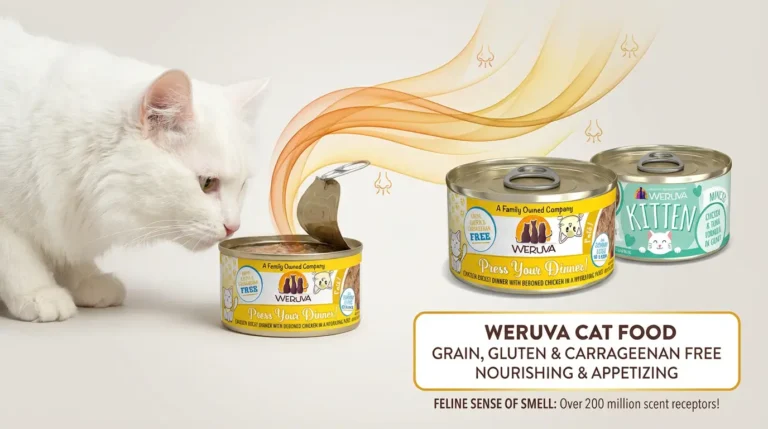
Tiki Cat offers grain-free, meat-first recipes. Weruva is known for its human-grade ingredients and texture.
Wellness CORE focuses on high protein from quality sources. Blue Buffalo Wilderness has grain-free recipes with named meats. Purina Pro Plan and Hill’s Science Diet offer vet-formulated options.
Fancy Feast pate can be protein-rich and tasty. But, always check the label for protein content and convert to dry-matter values for accurate comparison.
Price vs. quality considerations for long-term feeding
Higher-protein canned food may mean smaller portions. But, it can be more cost-effective when you calculate daily costs.
Premium, human-grade foods cost more but may prevent health issues. Budget-friendly options can work if they meet AAFCO standards and list quality meats.
To save money, buy in bulk or use subscription plans. Consider switching between premium and economical options to balance nutrition and cost.
Wet Cat Food with High Protein for Specific Health Needs
Your cat might need a special diet when they get sick. Wet food is good because it’s moist and has more protein. Pick the correct food for your cat depending on its health and how old it is.
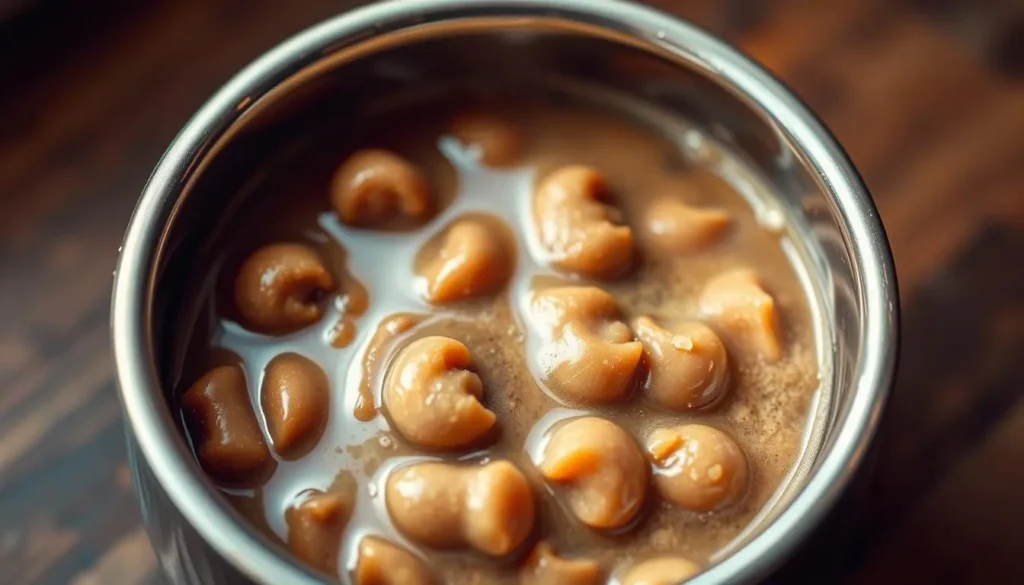
High protein cat food for urinary health: Look at the label for mineral levels and urine pH. Foods that have controlled amounts of magnesium, phosphorus, and sodium can help stop the formation of stones. Brands like Hill’s Prescription Diet c/d and Royal Canin Urinary Care offer these benefits. If your cat has had stones or infections, talk to your vet before changing their diet.
Grain-free high protein wet cat food and digestive tolerance: Grain-free foods use potatoes or tapioca instead of grains and have more animal protein. Many cats do well on these diets and show fewer allergy signs. Tiki Cat, Weruva, and Merrick make popular grain-free options. Always check the latest research and talk to your vet about your choices.
High protein cat food for senior cats: Older cats need easy-to-digest, high-quality protein to keep muscles strong. Look for senior formulas that support muscle and include omega-3s for joints. Be careful with phosphorus and sodium if your cat has kidney disease. Consider vet-prescribed diets if your cat has chronic health issues.
| Health Focus | What to Check | Recommended Type | Example Brands |
|---|---|---|---|
| Urinary support | Controlled magnesium, phosphorus, sodium; moisture; urine pH management | Wet cat food with high protein balanced for urinary care | Hill’s Prescription Diet c/d, Royal Canin Urinary Care |
| Digestive tolerance | No common grains; alternative carbs; high animal protein; simple ingredient list | Grain-free high protein wet cat food | Tiki Cat, Weruva, Merrick |
| Senior maintenance | High digestible protein, joint nutrients, monitored phosphorus and sodium | High protein cat food for senior cats with balanced calories | Wellness CORE Senior, Blue Buffalo Natural Veterinary Diets (senior lines) |
How to Transition Your Cat to a High Protein Wet Diet
Switching your cat to high protein wet cat food can improve hydration and muscle health. A calm, predictable plan helps reduce stress and digestive upset. Below is a clear, stepwise approach you can use when moving from a current diet to wet cat food with high protein.
Step-by-step gradual switching plan
- Days 1–3: Mix 25% new high protein canned cat food with 75% old food.
- Days 4 to 6: Switch to a mix of old food and high protein wet cat food in equal parts.
- Days 7 to 9: Start feeding 75% new food and 25% old food.
- Day 10+: Offer 100% of the new wet food if your cat tolerates changes well.
- If your cat has a sensitive stomach, you should make the timeline longer, from 2 to 4 weeks, and take each step more slowly.
- When adding wet food to a mostly dry-fed cat, serve small, room-temperature portions at times when your cat is most receptive.
Monitoring appetite, stool, and hydration during transition
Watch appetite and mood closely. Note any vomiting, diarrhea, constipation, or changes in stool firmness.
Wet food with high protein raises moisture intake. Track litter box habits and urine frequency. Keep fresh water available and watch for reduced drinking if your cat eats more wet food.
If severe GI upset or refusal to eat continues beyond a week, contact your veterinarian for guidance.
Troubleshooting picky eaters and food aversions
- Warm wet food slightly to boost aroma. Try using textures like pate, chunks in gravy, or a loaf.
- Rotate protein sources: chicken, fish, turkey, or rabbit to find the best high protein canned cat food your cat prefers.
- Serve in a clean, shallow bowl and offer during quiet times or when you are present to encourage eating.
- Use small amounts of high-protein toppers like plain cooked chicken rather than heavy, calorie-diluting sauces.
- If refusal persists across multiple formulations of the best high protein cat food, seek veterinary evaluation for dental, oral, or smell issues.
| Transition Phase | Mix Ratio | Typical Duration | Notes |
|---|---|---|---|
| Intro | 25% new : 75% old | 2–3 days | Good for most cats; observe appetite and stool |
| Adjustment | 50% : 50% | 2–3 days | Look for steady eating and normal stools |
| Near Complete | 75% : 25% | 2–3 days | Assess hydration changes from wet food |
| Full Switch | 100% high protein wet cat food | Ongoing | Choose the best high protein cat food that your cat accepts |
| Sensitive Cats | Smaller increments | 2–4 weeks | Extend steps and monitor closely |
Feeding Guidelines and Portioning for Optimal Results
Feeding your cat right keeps them lean, active, and healthy. Start by setting a calorie goal. Watch their body condition and adjust as needed. Use wet food for moisture and protein, and add dry food carefully if mixing plans.
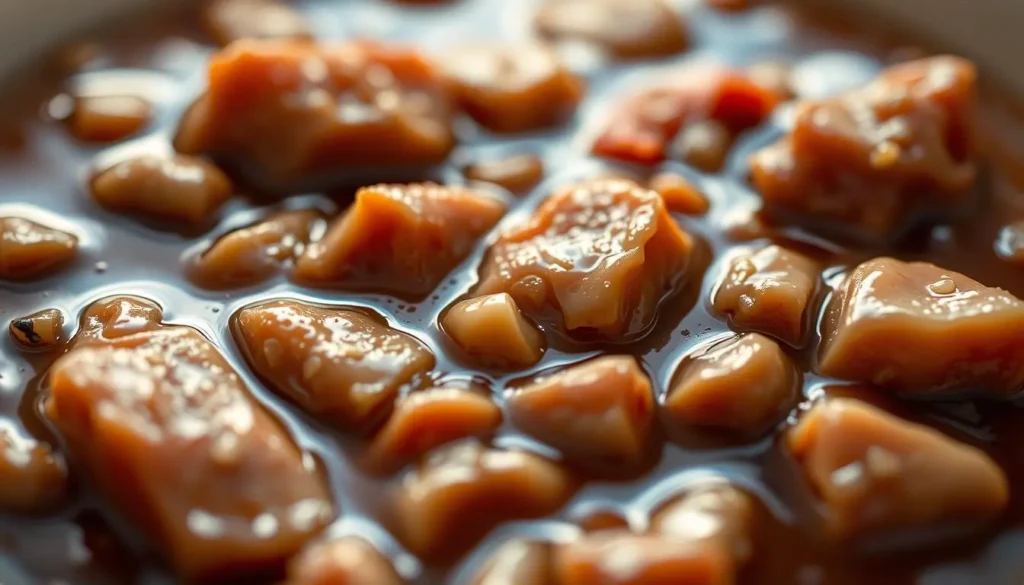
Estimating daily portions by weight and activity
Check the kcal per can on your high protein canned cat food label. Use your cat’s weight and activity level to estimate daily needs. A 10 lb indoor adult might need 200–250 kcal daily. Active or nursing cats need more.
To figure out portions, divide daily kcal need by kcal per can. For example, if your cat needs 225 kcal and a can has 75 kcal, feed three cans daily. Adjust portions every 2–4 weeks based on body condition score.
Use body condition scoring to fine-tune feeding high protein cat food. If your cat loses too much weight or gains, change portions and consult your vet for a tailored plan.
Mixing wet and dry diets: best practices
When mixing wet and dry diets, balance total daily calories. Wet food should be the main protein source. Measure dry kibble to avoid excess calories.
Keep a daily feeding log to track your cat’s intake. Free feeding dry food can lead to overeating. When feeding high protein wet cat food with kibble, give wet food at meal times and limit dry to set portions for enrichment.
Consistency is key. Sudden changes in amounts or frequent extra treats can undermine progress when feeding high protein cat food to maintain weight or muscle.
Storage, serving temperature, and safety tips
Once opened, refrigerate wet cat food in a sealed container and use within 48–72 hours as per manufacturer guidelines. Discard food left out more than 2–4 hours; reduce that window in warm environments.
Serve wet food at room temperature or slightly warmed to boost aroma. Warm briefly in a microwave or place the sealed can in warm water, then stir and test temperature before serving to avoid burns.
Practice safe handling: wash hands, clean utensils, and avoid cross-contamination with human food. Store unopened high protein canned cat food in a cool, dry place and check expiration dates before feeding.
| Situation | Daily kcal Guideline | Portion Calculation Example | Tip |
|---|---|---|---|
| 10 lb indoor adult | 200–250 kcal | 225 kcal ÷ 75 kcal per can = 3 cans | Reassess in 2–4 weeks using body condition score |
| Active or outdoor cat | 250–350 kcal | 300 kcal ÷ 100 kcal per can = 3 cans or mixed with measured kibble | Increase calories based on activity and lean mass |
| Nursing or growing kittens | 350–450 kcal or more | 400 kcal ÷ 100 kcal per can = 4 cans, split into multiple meals | Feed more frequently to support growth |
| Weight loss plan | Reduce daily kcal by 10–20% under vet guidance | 180 kcal target ÷ 75 kcal per can = 2.4 cans; combine precise wet portions with limited kibble | Monitor weight weekly and adjust; prioritize protein to preserve muscle |
Common Myths and Misconceptions About High Protein Cat Food
You might have heard scary things about protein, grains, and kidneys. This guide will clear up these myths. So, you can pick high protein wet cat food with confidence.
Addressing concerns about kidney disease and protein
Many believe protein causes kidney failure in cats. But, recent studies show this isn’t true for healthy cats. High-protein diets don’t lead to kidney disease in cats without health problems.
If your cat has kidney disease, your vet will create a special diet. This diet balances protein and phosphorus. Don’t cut down on protein without your vet’s advice. They’ll make sure your cat gets the right food at each stage of their illness.
Does high protein cause obesity? The truth about calories vs. macronutrients
Being overweight comes from eating more calories than you burn, not just protein. High protein wet cat food can make your cat feel full. It also helps keep muscle when losing weight.
Watch portion sizes, calorie density, and how active your cat is. Pick wet foods rich in protein and measure them to avoid too many calories.
Clarifying grain-free myths and ingredient marketing
Grain-free high protein wet cat food is popular, but it’s just marketing. Many cats can digest grains well. Grain-free foods often use other carbs instead.
Look for named meat sources, how easily your cat can digest it, and guaranteed analysis. Don’t change your cat’s diet based on marketing alone. Always talk to your vet first.
| Concern | Common Claim | What Research and Vets Say | Practical Advice |
|---|---|---|---|
| Kidney health | Protein causes kidney disease | Healthy cats do not develop kidney disease from high protein diets | Test kidney function; follow vet recommendations for protein if disease is present |
| Weight gain | High protein leads to obesity | Calories drive weight gain; protein can aid satiety and muscle retention | Control portions, track calories, increase activity |
| Grain-free marketing | Grain-free is always healthier | Grain-free swaps carbs; not inherently superior for most cats | Evaluate ingredient quality and named protein sources; consult your vet |
| Choosing wet food | All high protein wet food is equal | Protein source and digestibility vary widely between brands | Read labels, choose real meat first, and compare guaranteed analysis |
Conclusion
You now know how to pick the right high protein wet cat food for your cat. Look for wet cat food with lots of protein from real meat. Also, make sure it has the right vitamins and minerals for your cat’s health.
When choosing the best cat food, think about your cat’s age and health. Use special formulas for older cats or those with health issues. Always change your cat’s food slowly over 7–10 days to avoid upset stomachs.
Always talk to your vet before changing your cat’s diet, especially if they have kidney or urinary problems. They can give you advice that’s just right for your cat. Try a top rated high protein wet cat food from a trusted brand like Tiki Cat or Wellness CORE. Follow the slow transition plan they suggest.
Keep an eye out for signs of improvement in your cat’s energy, coat, and hydration after switching. With the right choices and careful watching, high protein wet cat food can make your cat healthier and happier.