Discover the Best Wet Cat Food to Keep Your Cat Happy
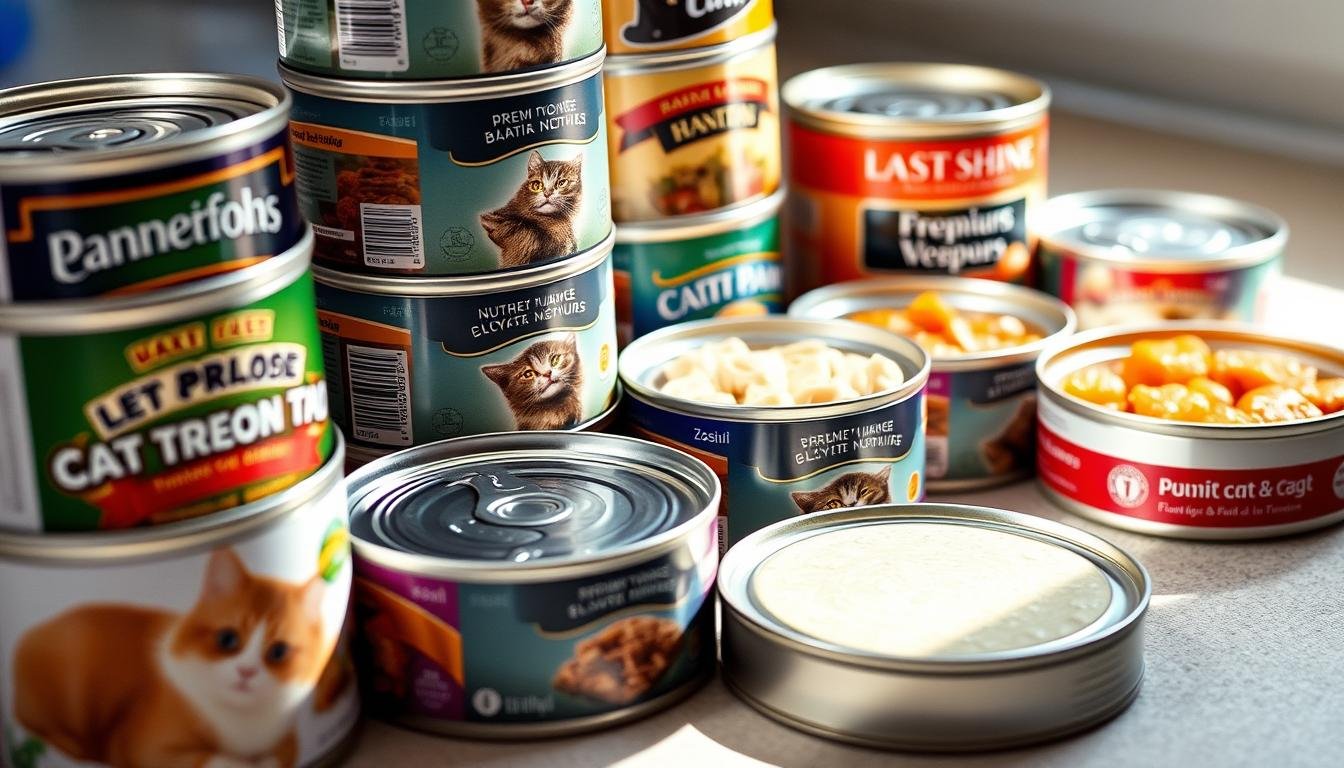
I remember when my cat wouldn’t eat her kibble. She looked at me with sad eyes. This moment made me think about what I was feeding her. I started looking into wet food.
Choosing the right wet cat food is important for many cat owners. It affects their cat’s hydration, appetite, and health. Wet food comes in many forms, like pouches and cans.
Brands like Purina and Royal Canin offer different textures and recipes. They have options for kittens, adults, seniors, and even picky eaters.
This guide will help you find the best wet cat food. We’ll talk about the health benefits, how to read ingredients, and top-rated options. You’ll also learn about special diets and how to shop smart.
We aim to help you make good choices. We want you to find premium brands and value picks. This will keep your cat happy and healthy.
Table of Contents
Why Choose Wet Cat Food: Health Benefits and Nutritional Advantages
Wet cat food offers many health benefits. It has high moisture levels that help keep cats hydrated. This can also ease the strain on their urinary tract.
Vets often recommend adding wet food to a cat’s diet. This is especially true for cats at risk of urinary crystals or chronic kidney disease.
Hydration and urinary tract health
Wet cat food has about 70–85% moisture. Dry kibble has only 6–10%. This extra water helps prevent urinary tract infections and reduces the risk of crystals.
For cats that don’t like to drink from bowls, wet food is a great solution. It helps them stay hydrated.
High protein and amino acids for muscle maintenance
Cats need animal-based proteins and amino acids like taurine and arginine. Wet cat food often lists named proteins like chicken or salmon. These provide the protein and amino acids needed for muscle health and energy.
Palatability and appetite stimulation for picky eaters
Wet cat food is more appealing due to its moisture, aroma, and texture. It comes in different styles, from pâté to shredded. This variety can encourage older cats and picky eaters to eat more.
Wet cat food is available in many flavors and formulas. There are options for seniors, weight management, and sensitive stomachs. These formulas are designed to meet specific needs and improve digestion.
| Benefit | What to look for | Who it helps |
|---|---|---|
| Hydration & urinary health | High moisture (70–85%), low ash | Cats prone to UTIs, crystals, kidney disease |
| Protein & amino acids | Named animal proteins; taurine listed | Growing kittens, active adults, muscle maintenance |
| Palatability | Varied textures: pâté, shredded, gravy | Picky eaters, seniors, recovering pets |
| Special formulas | Limited-ingredient, single-protein, life-stage blends | Cats with allergies, intolerances, or special needs |
| Vet guidance | Products labeled vet-recommended wet cat food or with clinical trial support | Pets needing therapeutic diets or medical supervision |
How to Identify High Quality Cat Food: Ingredients to Look For
Choosing the right cat food starts with reading the label. Look for named animal proteins first. Also, check if it’s wet cat food with natural ingredients. These small checks can save time and keep your pet healthy.
Named animal proteins versus vague meat meals
Choose foods with specific meats like chicken or salmon. Brands like Tiki Cat, Wellness, and Blue Buffalo are good choices. They use clear names for their proteins.
Terms like “meat” or “meat by-products” can be misleading. They might hide low-quality proteins. Clear labels help you know what your cat eats.
Natural ingredients, limited fillers, and added nutrients
Look for foods with real meat and natural ingredients like pumpkin. Avoid too many grains and artificial additives. Good foods also have taurine and omega-3s.
For organic options, Castor & Pollux and Weruva have good choices. These products have fewer synthetic additives. They appeal to those who want natural ingredients in their cat’s food.
Understanding guaranteed analysis and calorie density
The guaranteed analysis shows protein, fat, fiber, and moisture percentages. Use these to compare different foods. Remove moisture to compare wet and dry foods fairly.
Calorie density is key for portion control and weight management. Premium wet foods often have more protein per calorie. This helps maintain lean muscle. Check the packaging or brand websites for calorie information.
Compare ingredient lists and guaranteed analysis before buying. Also, check for an AAFCO statement. This helps you choose high quality cat food that meets your pet’s needs.
best wet cat food: Top-Rated Picks and Comparing Premium Cat Food Brands
Choosing the right wet food can feel overwhelming. This guide highlights editor choices, value picks, and premium cat food brands to help you decide. The selections reflect ingredient quality, palatability, veterinary input, and brand reputation in the U.S. market.
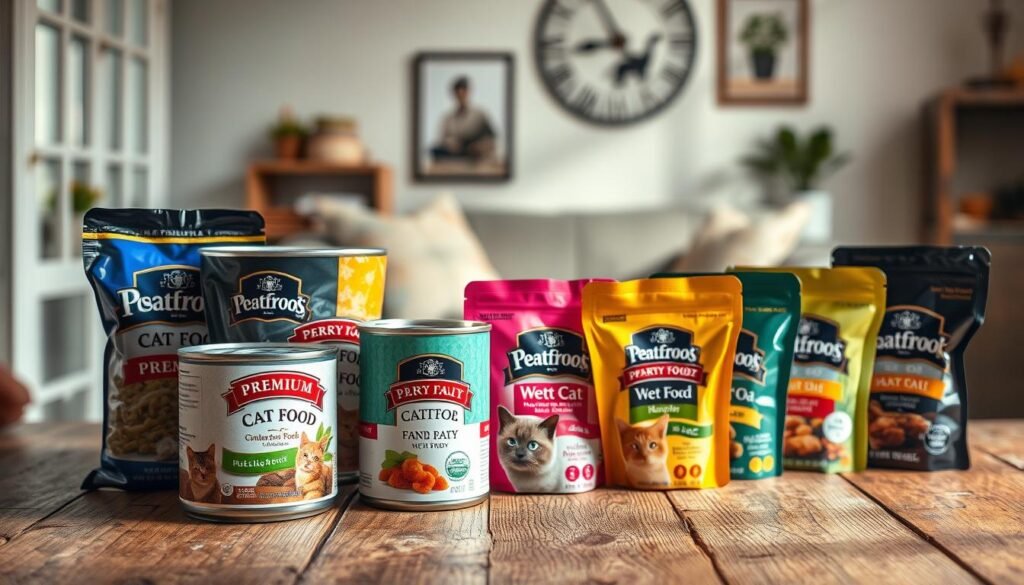
Editor’s picks for overall best wet cat food
Tiki Cat earns a spot for high-protein recipes and minimal fillers. Weruva stands out with human-grade ingredients and many grain-free options that appeal to picky eaters. For cats with specific medical needs, Royal Canin and Hill’s Science Diet offer veterinary formulations backed by clinical research and consistent recall histories.
Top-rated wet cat food for value and quality
Purina Fancy Feast Classic gives wide flavor variety at an affordable price. Purina Pro Plan Savor balances palatability and nutrition for many adult cats. Blue Buffalo Homestyle and Blue Buffalo Wilderness sit in the mid-range, delivering better named proteins and cleaner ingredient lists without a premium price tag.
Premium cat food brands worth the investment
Wellness CORE and Ziwi focus on high named-protein content and limited-ingredient lines for sensitive cats. Tiki Cat and Weruva return in this category for transparency and higher standards in sourcing. Hill’s Prescription Diet covers therapeutic needs when prescribed by a veterinarian, making it a premium choice for health-focused feeding plans.
Brief comparison table suggestions (formatting tips for the article)
Use a concise table with clear headers. Make columns sortable online and include small icons for attributes like grain-free and vet-recommended. Add U.S. price estimates and typical can or pouch sizes for quick buying decisions.
| Brand | Formula name | Primary protein | Texture | Key attributes | Typical size | Calories per serving | Target life stage/condition | Est. price per can |
|---|---|---|---|---|---|---|---|---|
| Tiki Cat | After Dark | Chicken | Chunks in broth | High-protein, grain-free | 2.8 oz | 80–95 kcal | Adult, weight maintenance | $1.50–$2.20 |
| Weruva | Stews for Cats | Fish/Chicken | Loaf | Human-grade ingredients, grain-free | 5.5 oz | 90–120 kcal | Adult, picky eaters | $2.00–$3.00 |
| Royal Canin | Feline Health Nutrition | Chicken | Pâté | Veterinary formulations | 3.5 oz | 60–80 kcal | Specific health needs | $1.80–$2.50 |
| Hill’s Science Diet | Adult Optimal Care | Chicken | Shreds in gravy | Vet-backed nutrition | 5.5 oz | 70–110 kcal | Adult, sensitive digestion | $1.50–$2.40 |
| Purina Fancy Feast | Classic Paté | Turkey/Chicken | Pâté | Affordable, wide flavors | 3 oz | 40–60 kcal | Adult, budget-friendly | $0.60–$0.90 |
| Purina Pro Plan | Savor Entrees | Chicken | Chunks in gravy | High palatability, value | 3 oz | 50–85 kcal | Adult, active cats | $0.90–$1.40 |
| Blue Buffalo | Homestyle | Chicken | Chunks in gravy | Natural ingredients, mid-range | 3 oz | 55–90 kcal | Adult, flavor variety | $1.10–$1.80 |
| Wellness CORE | Grain-Free Pâté | Turkey | Pâté | Limited ingredients, protein-forward | 3 oz | 65–95 kcal | Adult, sensitive cats | $1.70–$2.60 |
| Ziwi | Air-Dried Mix | Beef/Lamb | Chunks | Single-protein, premium sourcing | 5 oz | 120–160 kcal | All life stages | $3.00–$4.50 |
Editorial transparency matters. Explain your methodology, list price and availability in the U.S., and cite ingredient checks, vet consultations, and customer reviews. That builds trust when recommending top-rated wet cat food and the best canned cat food options from premium cat food brands.
Wet Cat Food for Special Needs: Sensitive Stomachs and Dietary Restrictions
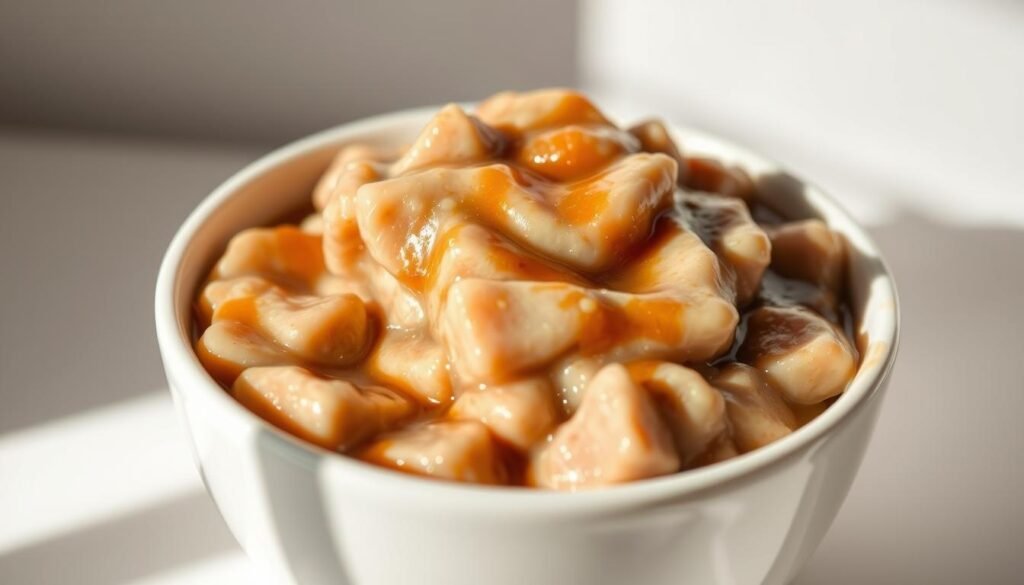
Cats with sensitive stomachs or skin need special food. Wet cat food for sensitive stomachs is easy to digest. It has proteins, probiotics, and controlled fat to help digestion.
Brands like Hill’s Sensitive Stomach & Skin, Royal Canin Digestive Care, Purina Pro Plan Sensitive Skin & Stomach, and Wellness Simple offer good options. They help reduce GI upset and improve stool quality.
Options for digestive support
Choose recipes with named proteins like chicken, turkey, or salmon. Prebiotic fiber and probiotics help balance gut flora. Low fat levels prevent loose stools in cats with poor digestion.
Natural options from Wellness Simple and vet-focused lines like Hill’s are good choices. They offer practical solutions for many owners.
Grain-free choices and when they make sense
Grain-free wet cat food uses sweet potato or peas instead of grains. It’s good for cats with grain allergies or sensitivities. Always get vet advice before switching.
Recent studies on dogs have raised concerns about grain-free diets and heart disease. While the link in cats is unclear, vet advice is crucial.
Limited-ingredient and single-protein recipes
Limited-ingredient and single-protein cat food are great for allergy testing. Brands like Blue Buffalo Basics, Natural Balance L.I.D., and Wellness Simple offer these options. They have one animal protein like turkey, lamb, or salmon.
Use single-protein cat food under vet supervision. Start a strict trial period to remove other foods. If symptoms improve, add items one at a time to find triggers.
Feeding tips are important. Gradually change diets over 7–10 days to avoid stomach upset. Monitor stool, appetite, and weight. Watch for allergy signs like itching or vomiting. If problems persist, see a vet to discuss the best food for your cat.
| Need | Key Features | Representative Brands | When to Choose |
|---|---|---|---|
| Digestive sensitivity | Named proteins, low fat, added probiotics, prebiotic fiber | Hill’s Sensitive Stomach & Skin, Royal Canin Digestive Care, Purina Pro Plan Sensitive | Chronic loose stools, vet diagnosis of GI sensitivity |
| Grain sensitivity | Grain-free wet cat food, alternative carbs like sweet potato or pea | Wellness Core Grain-Free, Natural Balance (wet grain-free options) | Confirmed grain allergy or intolerance; vet recommended |
| Allergy testing / elimination | Limited-ingredient, single-protein cat food, simple formulas | Blue Buffalo Basics, Natural Balance L.I.D., Wellness Simple | Diagnostic elimination diets, pinpointing food triggers |
| General best wet cat food for sensitivities | Complete nutrition with minimal irritants, vet-backed lines | Hill’s Prescription Diet, Royal Canin Veterinary Diet, Purina Pro Plan | When medical supervision is needed to manage chronic issues |
Vet-Recommended Wet Cat Food and Safety Considerations
Choosing vet-recommended wet cat food gives owners confidence in managing health issues. Look for AAFCO nutritional adequacy statements and products developed with veterinary nutritionists. Brands like Hill’s Prescription Diet and Royal Canin Veterinary Diet publish clinical data for conditions like renal disease and urinary tract issues.
Evaluate ingredient transparency and sourcing when selecting high quality cat food. Prefer named animal proteins, clear fat sources, and limited fillers. Prescription diets serve a therapeutic role and should be used under veterinary guidance to ensure the formula matches a cat’s medical needs.
Recognizing recalls is essential for ongoing safety. Check FDA pet food recall notices and brand recall pages from Purina, Nestlé Purina, Hill’s, and J.M. Smucker for the latest alerts. Common causes include contaminants, mislabeled ingredients, and nutritional imbalances.
Keep purchase records, batch numbers, and photos of cans or pouches. These details speed up investigations when brands issue recalls and help veterinarians advise on next steps. Reputable manufacturers often publish quality-control practices, third-party testing, and manufacturing standards.
When to consult your veterinarian about diet changes: seek immediate advice for cats with chronic conditions such as kidney disease, diabetes, or recurrent urinary problems. Also consult for kittens under one year, after surgery, or if you notice unexplained weight loss, vomiting, diarrhea, or signs of food allergy like itching or ear infections.
Bring current food labels and a symptom log to appointments. A clear transition plan and monitoring protocol reduce risk when switching to the best wet cat food for a specific condition. Many premium commercial diets are designed with vets in mind, making them suitable choices when medical nutrition is required.
For general feeding, prioritize brands that combine clinical backing with visible safety standards. Choosing vet-recommended wet cat food helps protect health and reduces worry about recalls or hidden ingredient risks.
Shopping Guide: Where to Buy Best Canned Cat Food and Tips for Smart Purchases
Finding the best canned cat food is a mix of research and practical choices. Start by weighing convenience against inspection. Online sellers like Chewy, Amazon, Petco, and PetSmart offer a wide selection and easy comparison. They also have attractive subscription services.
Local pet stores let you check packaging and confirm expiration dates. You can also grab a last-minute can on the way home.
When shopping online, check the seller’s reputation and return policies. Brand websites offer manufacturer guarantees and direct subscription discounts. In stores, inspect cans for dents, swollen lids, or faded labels.
Keep an eye on promotions during Prime Day and Black Friday. This can help stretch your budget on premium cat food brands.
Reading labels is key when choosing wet cat food with natural ingredients. Look at the first three ingredients to confirm named proteins like chicken, turkey, or salmon. Avoid vague terms such as “meat by-product” when you want high protein sources.
Scan for fillers, artificial colors, and chemical preservatives. This helps ensure the food is healthy for your cat.
Verify the AAFCO statement to ensure the product is complete and balanced for the intended life stage. Note phrases like complete and balanced, for all life stages, and limited ingredient. Treat claims such as human-grade with caution; regulation varies, so read the fine print for sourcing and processing details.
Subscription services can cut costs and prevent last-minute shortages. Amazon Subscribe & Save, Chewy Autoship, and direct-brand subscriptions often save 5–20% and offer flexible cadence. Use variety packs to test flavors with picky cats.
Buy multi-packs when dealing with stable preferences, but watch expiration dates on bulk buys.
Combine premium wet cat food brands with measured dry kibble to control calories and extend supply without sacrificing nutrition. Sign up for retailer newsletters to get coupons. Check manufacturer rebate offers and time purchases during holiday sales.
Loyalty programs at chains like Petco and PetSmart add points that translate to savings.
Proper storage preserves quality after opening. Refrigerate opened cans for up to 48 hours in shallow, covered containers. This maintains texture and aroma. Discard uneaten portions left at room temperature after 2–4 hours depending on heat and your cat’s feeding habits.
Rotate stock so older cans are used first.
| Buy Method | Pros | Cons | Best Use |
|---|---|---|---|
| Online retailers (Chewy, Amazon) | Wide selection, reviews, subscription services, home delivery | Can’t inspect cans before delivery, possible shipping delays | Bulk orders, subscription services, hard-to-find flavors |
| Brand websites | Direct subscriptions, manufacturer offers, fresh stock | Limited cross-brand comparison, shipping fees may apply | Consistent supply of preferred premium cat food brands |
| Big-box pet stores (PetSmart, Petco) | In-store promotions, immediate pick-up, loyalty points | Smaller selection than online, stock varies by location | Immediate needs, testing cans before purchase |
| Local independent stores | Staff advice, support local business, inspect packaging | Higher prices, limited inventory | Specialty diets, boutique premium selections |
| Warehouse clubs (Costco) | Good value on multi-packs, bulk pricing | Large quantities risk waste, limited flavor variety | Stable preferences and multi-cat households |
Conclusion
Wet cat food has many benefits. It helps cats stay hydrated and provides high-quality protein for their muscles. It also tastes great, which is good for cats that are picky.
When picking the best wet cat food, look for named animal proteins. Check the guaranteed analysis too. Make sure the food matches your cat’s age and health needs.
For cats with sensitive stomachs, choose wet cat food with simple ingredients. This helps avoid digestive problems.
Look for top-rated wet cat food and premium brands. Check for AAFCO statements and clear labels. If your cat has special needs, talk to your vet about the best food.
Subscription services or buying in bulk can save money. This way, you can afford better food without breaking the bank.
Check out the article’s top picks and suggestions. Your vet can also help find the right food for your cat. Choose a food that is nutritious, safe, and affordable for your cat’s health and long life.