Best Cat Urinary Food Options: Wet Food Reviews
You wake up to your cat’s soft paws and their gentle nudge for breakfast. This small moment feels like a promise to keep them safe and healthy. But urinary problems can sneak up on you, turning this promise into stress and vet visits. Diet plays a big role in protecting your cat’s comfort and quality of life.
This article will show why urinary health is crucial. It will explain how the right cat food can prevent UTIs, FLUTD, crystals, and stones. You’ll learn when to use special cat food, when over-the-counter options work, and when to consult your vet for prescription diets from brands like Hill’s, Royal Canin, or Purina Pro Plan.
Preventive nutrition, early signs, and proper feeding and hydration can lower risks and avoid emergencies. By reading on, you’ll get practical tips to evaluate foods, support hydration, and know when to see a vet for your cat’s urinary care.
Table of Contents
Understanding Feline Urinary Health and Common Issues
Before picking the best cat food for urinary health, it’s good to understand the urinary system and common problems. The urinary system includes the kidneys, ureters, bladder, and urethra. The kidneys filter blood and concentrate urine. Ureters move urine to the bladder.
The bladder stores urine, and the urethra allows voiding. The bladder mucosa acts as a barrier and a sensor for irritation. Male cats have a narrower urethra, which raises the risk of dangerous obstructions.
Overview of the feline urinary system
Kidneys remove waste and balance electrolytes. They control sodium, potassium, calcium, magnesium, and phosphorus. Proper filtration and urine concentration keep crystals from forming.
The bladder lining protects tissue from bacteria and abrasive crystals. Healthy bladder function depends on hydration, diet, and low stress levels.
Common urinary problems in cats (UTIs, FLUTD, crystals, stones)
Urinary tract infections are more common in older or immunocompromised cats. Bacteria such as E. coli can cause UTIs, which respond to antibiotics after diagnosis.
Feline Lower Urinary Tract Disease, or FLUTD, covers idiopathic cystitis, urethral obstruction, crystals, and stones. Stress and environment often trigger idiopathic cystitis.
Crystals and stones most often appear as struvite or calcium oxalate. Struvite may dissolve with a targeted diet. Calcium oxalate usually requires surgical removal. Urethral obstruction is life-threatening and occurs more often in males. Immediate veterinary care is critical for obstructed cats.
Signs and symptoms to watch for at home
Look for straining to urinate, frequent litter-box visits, blood in urine, and urinating outside the box. Vocalizing during elimination signals pain.
Other warning signs include lethargy, vomiting, and decreased appetite. Male cats may make repeated, unsuccessful attempts to urinate. If you see those signs, seek emergency care right away.
Risk factors include middle age, excess weight, indoor-only lifestyle, multi-cat households, low water intake, and certain diets. Keep a simple log of litter-box frequency, urine color, and any straining to share with your veterinarian. That record helps determine if a switch to specific cat urinary food or urinary care cat food is warranted to support recovery and prevention.
| Issue | Common Cause | Typical Signs | Dietary Role |
|---|---|---|---|
| UTI | Bacterial infection (E. coli) | Straining, blood, frequent urination | Hydration support; antibiotics guided by vet |
| Idiopathic cystitis (FLUTD) | Stress, environmental triggers | Frequent trips to box, vocalizing, hematuria | Stress reduction; urinary care cat food may help |
| Struvite crystals/stones | High mineral concentration, alkaline urine | Straining, blood, obstruction risk | Specialized diets can dissolve struvite |
| Calcium oxalate stones | Dietary and metabolic factors | Painful urination, possible obstruction | Usually requires surgical removal; prevention via diet |
| Urethral obstruction | Crystals, plugs, swelling | Repeated unsuccessful attempts, distress | Emergency care; follow-up with best cat food for urinary health |
How Diet Affects Your Cat’s Urinary Tract
What your cat eats affects their urine’s volume, acidity, and mineral content. Making small diet changes can help prevent crystals and stones. Use diet as part of a plan that includes staying hydrated, controlling weight, and regular vet visits.
Role of moisture and hydration in urinary health
Cats naturally get most moisture from their prey. Dry kibble can leave them dehydrated. This can lead to concentrated urine and an increased risk of crystals.
Feeding more wet food is a simple way to help. Offer multiple water bowls, a pet water fountain, or flavor water with low-sodium chicken broth. Toppers and canned meals also increase fluid intake, making them key for urinary health.
Impact of mineral balance (magnesium, phosphorus, calcium)
Minerals like magnesium, phosphorus, and calcium play a role in crystal formation. Diets for urinary support control these minerals and adjust sodium to encourage drinking. This helps lower urine concentration and reduces crystal risk.
Avoid extreme mineral restriction without vet advice. A balanced diet keeps nutrition while targeting urinary health. For a gentler approach, look for natural cat food that focuses on measured mineral levels and whole-food ingredients.
Protein and pH considerations for urinary care
High-quality animal protein supports muscle and immune health and helps manage urine chemistry. Some urinary diets adjust protein type and amount to affect urine pH. Acidifying foods can dissolve struvite crystals but may increase calcium oxalate stone risk.
Prescription cat urinary food aims for a safe pH range and promotes urine dilution. If your vet suggests a therapeutic diet, follow their instructions and watch your cat’s weight. Weight control and sensible calories help prevent FLUTD and related issues.
cat urinary food
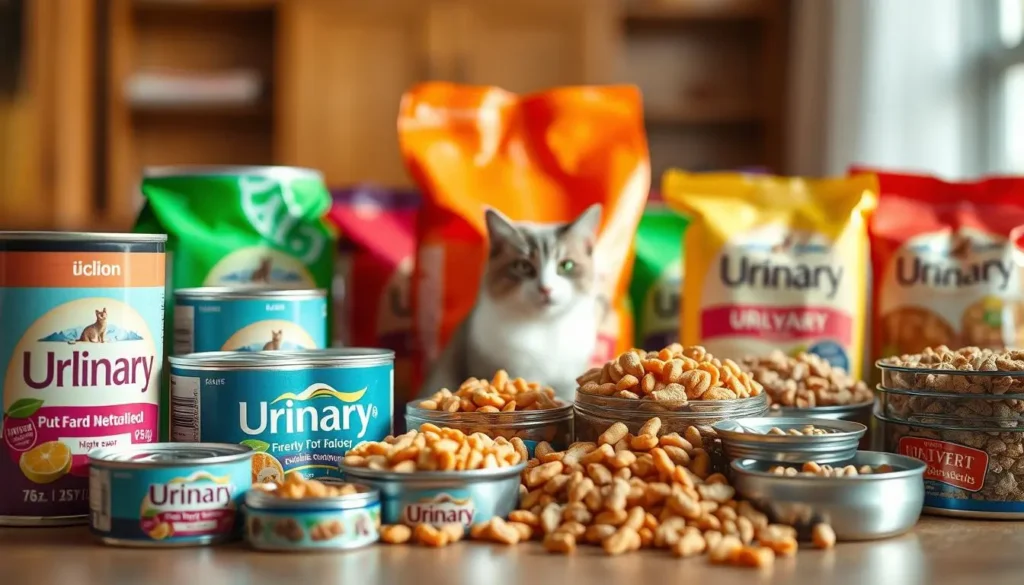
You want a diet that protects your cat from painful urinary problems. Choosing the right product means knowing why a formula is labeled for urinary support. It also matters what differences it has for your pet’s health.
What makes a food labeled for urinary health different
Foods for urinary health focus on urine chemistry and hydration. Therapeutic diets, like Hill’s Prescription Diet c/d and Royal Canin Urinary, control urine pH. They also lower mineral levels that can cause crystals and stones.
Over-the-counter formulas aim to prevent problems by encouraging water intake. They have higher moisture content. Prescription products have clinical testing and vet oversight. OTC options offer general support.
Key ingredients to look for and avoid
Look for high-quality animal proteins and controlled magnesium and phosphorus levels. Adjusted sodium and soluble fibers are also good. Omega-3s offer anti-inflammatory support.
Avoid foods with too much magnesium, high ash content, and artificial colors or flavors. Also, stay away from large amounts of carbohydrate fillers in dry foods. If your cat has kidney disease or other conditions, check nutrient profiles first.
How to interpret urinary health claims on packaging
Read labels carefully. “Veterinary diet” or “prescription” means there’s clinical evidence. Look for claims like clinically proven to reduce recurrence of urinary crystals or stones.
Compare the guaranteed analysis and ingredient list. OTC products can make supportive claims without the same level of proof. Visit manufacturer resources and talk to your vet before switching foods for an existing condition.
| Category | Typical Goal | Common Ingredients | When to Choose |
|---|---|---|---|
| Prescription urinary diets | Dissolve or treat crystals/stones; prevent recurrence | Controlled Mg/P, adjusted sodium, tested protein sources | Veterinarian diagnosed FLUTD, struvite stones, recurring crystals |
| Maintenance/OTC urinary care cat food | Reduce risk; support urine dilution and health | Higher moisture, moderate minerals, palatable proteins | Healthy cats with prior urinary issues or at-risk breeds |
| Holistic and premium lines | Natural ingredients, reduced fillers, targeted support | Real meat, reduced carbs, added omega-3s and fibers | Owners seeking natural options or long-term preventive care |
| Specialized cat food for urinary issues | Specific formulations for complex or concurrent conditions | Tailored nutrient profiles, sometimes lower protein for CKD | Cats with urinary issues plus other health problems |
Top Rated Cat Food for Urinary Tract Health: Options and Comparisons
Choosing the right diet is crucial for your cat’s urinary health. Below, we compare prescription and over-the-counter options. We also look at premium and holistic cat food, as well as the differences between wet and dry formulas.
Prescription vs. over-the-counter
Prescription diets like Hill’s Prescription Diet c/d and Royal Canin Urinary are made for cats with urinary issues. Your vet will help pick the best one and check on your cat’s progress. These diets are backed by clinical trials and control important nutrients.
Over-the-counter foods aim to prevent urinary problems. Brands like Blue Buffalo and Wellness offer lines for urinary health. These are easier to find and less expensive but not a cure for serious issues.
Premium and holistic choices for urinary care
Premium cat food for urinary health includes Wellness, Blue Buffalo, and Orijen. These focus on quality ingredients and balanced minerals.
Holistic cat food uses natural ingredients and avoids artificial additives. It’s a good choice for those who prefer natural foods. But, make sure it meets your cat’s urinary needs. Always check with your vet before switching.
Comparing wet vs. dry formulas for urinary support
Wet food is high in moisture, which helps prevent crystals. It’s best for cats that don’t drink much water. Premium wet foods have controlled minerals too.
Dry food is convenient and lasts longer. But, cats need more water with it. Mixing wet and dry food can help with hydration and convenience.
| Category | Examples | Strengths | Considerations |
|---|---|---|---|
| Prescription diets | Hill’s c/d, Royal Canin Urinary, Purina UR | Clinically tested, targeted mineral control, vet supervised | Requires vet approval, higher cost |
| Over-the-counter urinary-support | Blue Buffalo, Wellness CORE wet urinary formulas | Accessible, lower cost, preventive focus | Not for treating obstructions or confirmed stones |
| Premium cat food for urinary health | Wellness, Orijen, Blue Buffalo | High ingredient quality, life-stage formulations | Varied urinary specificity, price varies |
| Holistic cat food for urinary health | Wellness (natural lines), select whole-food brands | No artificial additives, whole ingredients | May lack therapeutic nutrient targets; vet check advised |
| Wet vs. Dry | Any brand with wet or dry urinary formulas | Wet: better hydration; Dry: convenience and texture variety | Combine for balanced hydration and routine |
Feeding Strategies and Lifestyle Changes to Support Urinary Health
Think of diet and environment as key partners in urinary care. Small diet changes, more water, and less stress can help. Here are some simple steps you can do at home.
Transitioning your cat to a new urinary diet
Change your cat’s diet slowly over 7–10 days to avoid upset stomach. Over with 25% new food and 75% old. Gradually increase the new food every 2–3 days until you’re feeding 100% new food.
If your vet prescribes a special diet, follow their instructions. Watch your cat’s appetite, stool, and litter-box habits during the transition. For picky eaters, try warming wet food slightly or adding a little low-sodium broth.
Encouraging hydration with feeding and water solutions
Feed your cat more wet food to increase moisture intake. Offer small meals throughout the day to encourage eating and drinking.
Place fresh water bowls in different rooms. Use ceramic or stainless-steel dishes to avoid plastic smells. A pet water fountain can also encourage more water intake.
Occasionally, add low-sodium chicken or beef broth (without onions or garlic) as a hydrating topper. Ice cubes or water-based treats can also be appealing to some cats.
Environmental and behavioral tips to reduce urinary stress
Stress can contribute to urinary problems in cats. Provide one more litter box than the number of cats and clean them daily. Place litter boxes in quiet, easy-to-reach spots to encourage use.
Use Feliway pheromone diffusers to help calm anxious cats. Add vertical spaces, hiding spots, and short play sessions to create a calm routine.
In homes with multiple cats, prevent competition by spacing out feeding stations and water bowls. Keep resting areas separate to avoid conflicts.
Weight management, monitoring, and record-keeping
Keep your cat at a healthy weight to reduce urinary risks. Schedule daily play to maintain muscle tone and burn calories.
Track your cat’s water intake, litter-box frequency, and any diet changes. Sharing these notes with your vet can help fine-tune your cat’s diet.
When choosing a long-term diet, look for trusted brands with balanced mineral profiles for urinary health. Whether you choose a specialized cat food or a natural option, consistency and a stress-free home are key for your pet’s well-being.
When to See the Vet and Using Specialized Cat Food for Urinary Issues
If your cat has trouble urinating, strains a lot, or shows blood in the litter box, see a vet right away. These signs can mean serious problems like urethral obstruction or infection. They need to act fast to prevent major damage.
Your vet will do tests like urinalysis and bloodwork to find out what’s wrong. They might also use x-rays or ultrasound. These tests help find the cause so treatment can start fast.
Diet is very important in treating many urinary issues. Foods like Hill’s c/d can help dissolve stones and prevent them from coming back. But, if your cat has calcium oxalate stones, diet can only help prevent new ones, not dissolve the ones already there.
Vets use different treatments together. This includes special diets, pain medicine, antibiotics, and even catheterization for blockages. They also suggest changes in your cat’s environment for certain conditions.
After starting treatment, your cat will need follow-up tests. Expect to have urinalysis and imaging done every four to six weeks. This checks if the diet is working and if there are no more stones.
For cats with ongoing problems, they might need to eat special food forever. Using top rated cat food for urinary health can help keep problems away. Work with your vet to decide how long and how often to check up.
Be careful when changing your cat’s diet. If they lose weight, vomit a lot, or have stomach problems, talk to your vet. Never change their food without your vet’s okay.
To keep your cat healthy, focus on keeping them hydrated, reducing stress, and controlling their weight. Using the right cat food is part of a bigger plan for their health.
| Scenario | Veterinary Action | Role of Diet |
|---|---|---|
| Inability to urinate or repeated straining | Emergency evaluation, catheterization, hospitalization | Temporary feeding plan after stabilization; prescription cat urinary food may follow |
| Visible blood in urine or persistent painful urination | Urinalysis, urine culture, pain control, possible antibiotics | Switch to top rated cat food for urinary tract health if crystals or stones are present |
| Diagnosis of struvite stones | Imaging to confirm, medical dissolution when appropriate | Prescription diet to dissolve stones and prevent recurrence |
| Diagnosis of calcium oxalate stones | Imaging, surgical or interventional removal if obstructive | Maintenance cat urinary food to reduce recurrence risk; cannot dissolve existing stones |
| Concurrent chronic kidney disease or diabetes | Comprehensive bloodwork and individualized care plan | Customized diet selection to balance urinary support and systemic needs |
| History of recurrent FLUTD | Regular rechecks with urinalysis and imaging | Long-term use of specialized cat food for urinary issues plus hydration and stress management |
Conclusion
Good nutrition is key for your cat’s urinary health. Choose foods that are moist, have balanced minerals, and are made for urinary care. Your vet can help pick the best food, whether it’s prescription or over-the-counter.
Watch your cat’s litter box habits closely. Feed them more wet food or use methods to keep them hydrated. If you notice any problems, act fast.
Look for foods backed by science for urinary health. If your vet suggests premium or natural options, consider them. These can help your cat stay healthy and content.
By choosing the right food and making small changes, you can help your cat avoid pain and vet visits. Work with your vet to find the best plan for your cat. Regular check-ups will keep your cat feeling good.