High-Quality Urinary Food for Cats: Wet Selection
Your feline companion’s playful purrs and curious antics bring endless joy to your home. But when they suddenly avoid the litter box or seem uncomfortable, that joy turns to worry. Bladder issues urinary food for cats are more common than many pet owners realize, and what your kitty eats plays a starring role in their comfort.
Just like humans, cats thrive when their diet aligns with their unique needs. Specially formulated meals balance minerals and pH levels to reduce risks tied to urinary discomfort. Think of it as proactive care—like choosing a seatbelt before a bumpy ride.
Hydration is key. Many domestic cats evolved to get moisture from prey, not water bowls. Modern diets often lack this natural hydration, but targeted nutrition can bridge the gap. You’ll notice fewer vet emergencies and more years of shared adventures.
Table of Contents
Table of Contents
Understanding Urinary Food for Cats: An Introduction
A cat’s urinary tract health hinges on precise nutrition tailored to their unique biology. Desert-dwelling ancestors developed concentrated urine to conserve water, a trait that makes modern pets vulnerable to bladder issues when fed generic meals. Specialized diets combat this through science-backed formulas that adjust mineral ratios and hydration levels.
Three elements define these targeted meals:
| Feature | Standard Meals | Bladder-Support Formulas |
|---|---|---|
| Moisture Content | 6-10% | 75-85% |
| Magnesium Levels | 0.12% | 0.08% |
| pH Balance | 6.5-7.0 | 6.0-6.4 |
Veterinary researchers spent 40 years perfecting these ratios to dissolve crystals before they become dangerous. “The right nutrition acts like a daily cleanse,” explains Dr. Linda Fineman, a feline health specialist. Lower mineral concentrations paired with increased fluids mimic what cats would consume hunting prey in the wild.
Watch for subtle signs your pet might benefit: straining during elimination, frequent litter box visits, or blood-tinged urine. Early dietary adjustments can prevent 80% of blockages according to recent studies. Always consult your vet before switching meals, especially if symptoms persist.
Why Urinary Tract Health Matters for Your Cat
Imagine your pet suddenly hiding in pain—what’s happening? Their urinary tract acts as a silent guardian, filtering waste and maintaining balance. When this system falters, every aspect of their wellbeing suffers. Male felines face especially high risks: their narrow urethras can block completely within hours, turning routine elimination into a crisis.
Dr. Lisa A. Pierson, a leading feline care expert, puts it bluntly:
“If people felt even 10% of the agony caused by urethral obstructions, kibble would vanish from shelves overnight.”
Blockages trigger bladder swelling that can rupture in 24 hours—a race against time requiring emergency surgery. Even milder issues like cystitis make litter boxes feel like torture chambers, leading pets to avoid them entirely.
Evolution plays a cruel trick here. Desert ancestors developed super-concentrated urine to survive droughts, but modern dry meals push this adaptation to dangerous extremes. The result? Urine thick with minerals that form razor-sharp crystals. One study found 1 in 3 males develop blockages by age six without dietary intervention.
Watch for subtle warnings: excessive licking below the tail, vocalizing while urinating, or avoiding favorite spots. Early action saves lives. Choosing moisture-rich meals tailored to urinary health doesn’t just prevent emergencies—it lets your companion thrive without silent suffering.
The Vital Role of Water in Feline Urinary Health
Did you know your pet’s ancestors rarely drank from standing water sources? Modern hydration needs demand creative solutions. Water availability directly determines how effectively their bodies flush toxins, making it the foundation of bladder wellness.
Benefits of Increased Water Intake
When your companion consumes enough moisture, their system works like nature intended. Diluted urine carries away irritants before crystals form. Dr. Lisa Pierson emphasizes:
“A single dietary change to wet meals can cut blockage risks by half.”
Proper hydration doubles fluid passing through their kidneys daily. This natural rinse cycle prevents mineral buildup and supports organ function. You’ll notice softer fur, brighter eyes, and renewed energy too.
Tips to Encourage More Hydration
Start by swapping dry kibble for wet meals containing 75-80% moisture. Add tuna water or bone broth to meals for extra appeal. Place multiple water stations away from food bowls—cats prefer drinking where they feel safe.
Running fountains often captivate picky drinkers. Try ceramic or stainless steel bowls instead of plastic. Remember: evolution shaped their low thirst drive, so prioritize moisture-rich diets over begging them to drink.
Comparing Dry and Canned Diets for Urinary Health
Have you ever wondered why some diets leave your pet thirstier than a desert cactus? The answer lies in moisture content—the make-or-break factor for bladder wellness. Dry options contain just 5-10% water, forcing their system to work overtime to concentrate waste. This creates a breeding ground for crystals and inflammation.
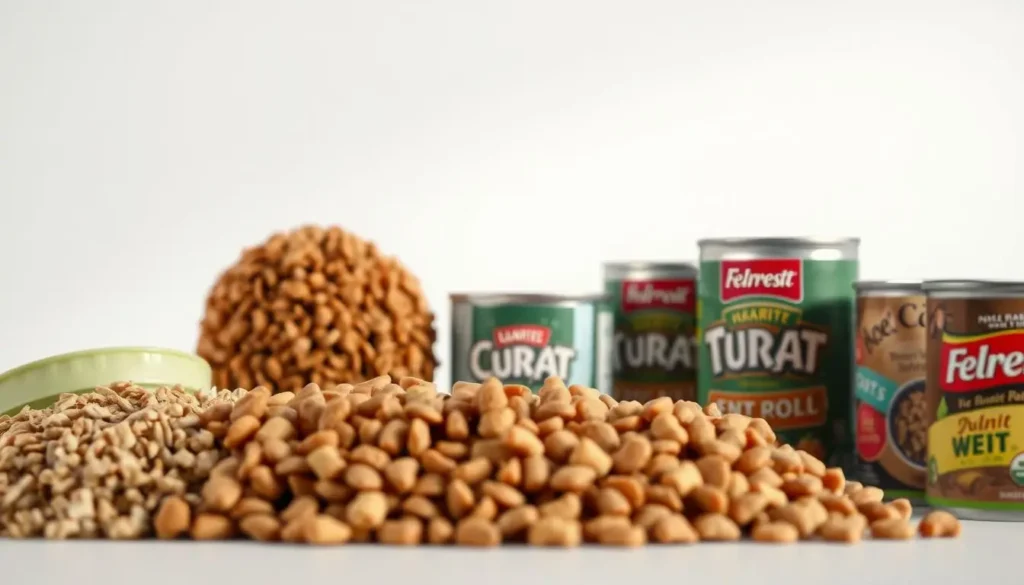
“Labeling dehydrated kibble as a ‘urinary tract diet’ is like selling sunscreen that causes sunburns. It’s biologically contradictory.”
Her research shows meals with 78% moisture—similar to prey animals—keep urine diluted and systems flowing smoothly.
Marketing claims about specialized kibble often mislead owners. While mineral adjustments help, no dehydrated product can replicate the benefits of natural hydration levels. Pets eating only crunchy bits produce thick, sluggish urine that clings to bladder walls. Bacteria thrive in these conditions, increasing infection risks.
Switching to wet meals requires strategy. Mix increasing amounts of canned options with current kibble over 7-10 days. Add warm water or low-sodium broth to enhance appeal. Though pricier upfront, this shift slashes long-term vet bills from blockages or chronic conditions.
Remember: convenience shouldn’t compromise care. Consult your veterinarian before changing diets, especially if symptoms like straining or blood-tinged urine appear. Your companion’s comfort depends on choices that honor their biological needs.
Nutritional Considerations for Promoting Bladder Function
Balancing nutrients in your pet’s bowl does more than fill their belly—it safeguards their delicate internal systems. Like assembling a puzzle, every vitamin and mineral must fit precisely to support tract health and prevent crystal formation.
Essential Vitamins and Minerals
High-quality formulas focus on synergy between nutrients. Vitamin E boosts immunity against infections, while potassium balances fluid levels. IAMS PROACTIVE HEALTH combines these with omega fatty acids to reduce urine pH naturally—a key factor in preventing discomfort.
Impact of Protein and Calcium Levels
Animal-based proteins provide amino acids without irritating sensitive tissues. Calcium management walks a tightrope: too little weakens bones, but excess amounts form crystals. Modern diets achieve balance through controlled phosphorus levels that keep mineral loads in check.
Dr. Sarah Wooten, a veterinary nutritionist, notes:
“The right calcium-to-phosphorus ratio acts like a shield—it protects without creating new risks.”
This approach supports overallhealthwhile addressing specific bladder needs.
Feeding your companion these targeted meals offers lifelong benefits. You’ll notice fewer litter box struggles and more time for joyful play—proof that smart nutrition choices make all the difference.
Spotlight on IAMS PROACTIVE HEALTH Urinary Tract Health Formula
When searching for nutritional solutions that align with your companion’s needs, IAMS PROACTIVE HEALTH stands out with science-backed precision. This formula addresses critical aspects of bladder support while delivering complete daily nutrition.
Product Benefits and Key Features
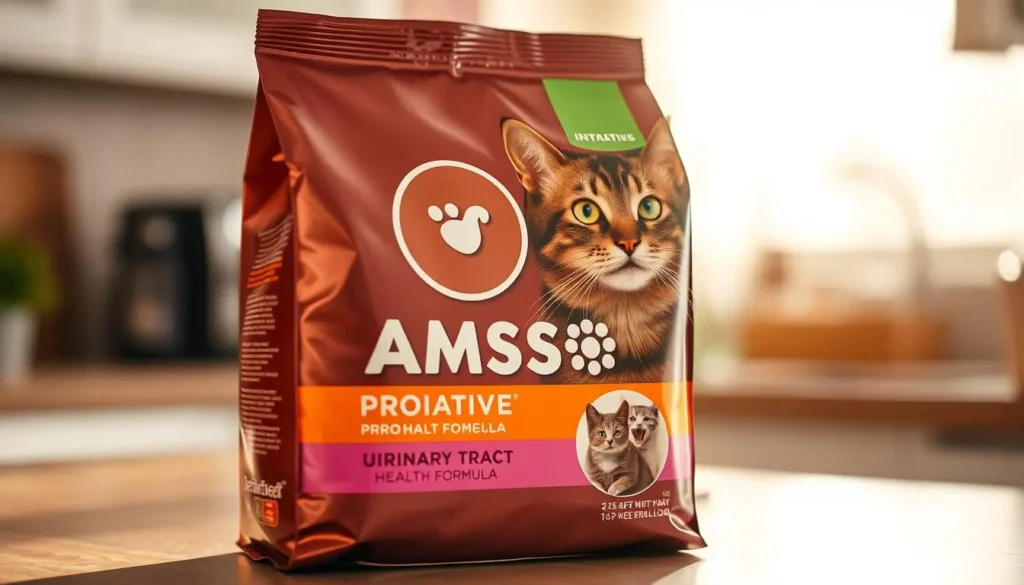
The proactive health adult formula combines targeted ingredients to create multiple layers of protection. Its crunchy kibble texture cleans teeth while delivering essential nutrients. Here’s how key components work together:
| Nutrient | Function | Benefit |
|---|---|---|
| Vitamin E | Antioxidant support | Strengthens immune response |
| Calcium-Potassium Blend | Mineral balance | Supports heart & urine chemistry |
| Omega Fatty Acids | 6:3 ratio | Promotes shiny coat |
This health adult urinary approach reduces urine pH naturally, creating an environment where crystals struggle to form. Multiple bag sizes (3.5-22 lbs) accommodate different household needs while maintaining freshness.
Why Chicken Leads the Ingredient List
As the #1 component, chicken provides lean protein that mirrors what felines would consume naturally. Animal-based proteins produce fewer irritants than plant alternatives, making them gentler on sensitive systems. Dr. Ellen Rogers, veterinary nutritionist, explains:
“High-quality poultry supports muscle tone without overloading mineral filters—a win for long-term wellness.”
The iams proactive formula uses this protein source to help maintain ideal weight and energy levels. Combined with precise pH management, it offers comprehensive support for active companions.
Key Ingredients That Improve Your Cat’s Urinary Tract Health
What transforms ordinary meals into bladder-protecting powerhouses? The answer lies in seven science-backed components working behind the scenes. These elements tackle tract health from multiple angles, combining nutrition with preventive care.
Premium chicken leads the charge as the primary protein source. Unlike plant-based alternatives, it delivers essential amino acids without overloading your pet’s system. This lean meat also reduces metabolic waste that could irritate sensitive tissues.
| Ingredient | Role | Benefit |
|---|---|---|
| Omega-3 Fatty Acids | Anti-inflammatory support | Soothes bladder walls |
| Controlled Phosphorus | Mineral management | Prevents crystal formation |
| Cranberry Extract | Natural acidifier | Balances urine pH |
Antioxidants like vitamin E and taurine shield delicate tissues from oxidative stress. Paired with probiotics, they create a defense network against harmful bacteria. Dr. Karen Becker notes:
“Gut health directly impacts urinary wellness—a connection many owners overlook.”
Flavor enhancers ensure your companion actually enjoys their meals. After all, even the perfect formula fails if it gathers dust in the bowl. Strategic ingredient combinations make every bite count toward long-term urinary tract health.
Feeding Guidelines for Urinary Health Maintenance
The secret to lasting wellness lies not just in ingredients but in how you serve them. Proper feeding strategies ensure your companion absorbs nutrients effectively while supporting their delicate systems.
Portion Control and Feeding Frequencies
Measure meals based on weight, age, and activity levels. IAMS suggests dividing the total daily amount into multiple times—typically 2-3 smaller portions. This mimics natural hunting patterns and aids digestion.
Overfeeding strains metabolism, while underfeeding starves their body of protective nutrients. Use a kitchen scale for precision, adjusting portions as your pet’s needs evolve. Always provide fresh water alongside meals.
Transitioning From Current Food to a New Diet
Swap diets gradually over four days to avoid stomach upset. Start with 25% new formula mixed with their cat current food, increasing the ratio daily. By day seven, they’ll comfortably enjoy the full course.
Resist adding supplements—these formulas are nutritionally complete. If pickiness arises, warm meals slightly or add a teaspoon of low-sodium broth. Consistency during this phase prevents setbacks and builds trust in new flavors.