7 Shocking Facts About how long can a cat go without eating?
Ever wondered How Long Can a Cat Go Without Eating? It’s called a cat hunger strike. Knowing how long a cat can skip meals is key to keeping them healthy.
Cats have special bodies that need food to stay healthy. Even though they seem independent, they still need to eat. Knowing the dangers of not eating can save your cat’s life.
Your cat’s eating habits tell you a lot about their health. If their appetite changes suddenly, it could mean they’re sick. Catching these signs early can stop serious health problems.
Key Takeaways
- Cats should not go more than 24-48 hours without eating.
- Prolonged food refusal can lead to serious health risks
- Always monitor your cat’s eating patterns
- Sudden appetite changes warrant veterinary consultation
- Hydration is equally important during food refusal
Understanding Cat Eating Patterns and Normal Behavior
Cat appetite is complex and needs careful attention. Knowing your cat’s eating habits helps spot early signs of loss. This way, you can tackle the reasons behind their appetite drop.
Cats have special nutritional needs. These needs change based on several factors. Knowing these helps keep your pet healthy and happy.
Daily Caloric Needs for Cats
Your cat’s daily calorie needs depend on several things:
- Age
- Weight
- Activity level
- Overall health status
Adult cats usually need 20-33 calories per pound of body weight each day. Younger, more active cats might need more. Older or less active cats need fewer calories.
Regular Feeding Schedule Importance
Having a regular feeding schedule is key for your cat’s health. It helps prevent unexpected appetite loss. Cats like routine and structure in their meals.
| Cat Age Group | Recommended Meals Per Day | Approximate Daily Calories |
|---|---|---|
| Kittens (0-6 months) | 3-4 meals | 200-275 calories |
| Adult Cats (1-7 years) | 2 meals | 250-300 calories |
| Senior Cats (8+ years) | 2 smaller meals | 180-250 calories |
Normal vs. Abnormal Appetite Changes
Small changes in appetite are normal. But big changes could mean health problems. Watch for consistent food refusal or sudden loss of interest in eating. This might mean your cat needs a vet visit.
Knowing about eating patterns helps you watch your cat’s health closely. It also helps you know when to seek vet help.
How Long Can a Cat Go Without Eating?
Knowing how long a cat can go without food is key for pet owners. Cats have a special metabolism that makes not eating for a long time very risky. Even healthy cats can face dangers if they don’t eat for several days.
Vets say cats should not skip meals for more than 24-48 hours. After two days without food, your cat’s health starts to seriously decline. Their body starts using stored fat for energy, which can cause serious health issues.
- 24 hours: Minor metabolic changes begin
- 48 hours: Significant health risks emerge
- 72 hours: Potential organ damage possible
Several things affect how long a cat can go without eating:
| Factor | Impact on Starvation Timeline |
|---|---|
| Age | Younger and older cats more vulnerable |
| Overall Health | Chronic conditions reduce survival time |
| Body Weight | Overweight cats can survive slightly longer |
“A cat without food is a medical emergency waiting to happen.” – Dr. Sarah Reynolds, Veterinary Nutritionist
Water is very important during this time. A cat can last longer without food if it stays hydrated. But dehydration can make health problems worse fast. Always talk to your vet if your cat doesn’t eat for more than 24 hours.
Warning Signs of Cat Food Refusal
It’s important to know when your cat is not eating right. Cats often hide when they’re sick, making it hard to notice problems early. Spotting warning signs can help you know when to seek help for your cat.
Watching your cat’s eating habits is key. Look for both physical and behavioral changes. Catching issues early can stop serious health problems.
Physical Symptoms to Watch For
Your cat’s body will show signs if they’re not eating well:
- Significant weight loss in a short time
- Dull or matted coat
- Visible ribs or less muscle
- Pale or yellowish gums
- Less energy
Behavioral Changes During Food Refusal
Cats show health issues through their behavior:
- Not interested in favorite foods
- Avoiding the food bowl
- Unusual tiredness or hiding
- Less interaction with family
Emergency Warning Signs
Some signs need quick vet visits:
- No food for 24-48 hours
- Extreme weakness or not responding
- Constant vomiting
- Hard to breathe
- Drastic weight loss
If these signs don’t go away, see your vet fast. This can prevent serious health issues.
Common Reasons Why Cats Stop Eating
Understanding why cats stop eating is key to addressing health issues quickly. Cat food refusal can signal serious problems that need immediate attention.
Several factors can lead to cats refusing their meals:
- Dental pain or mouth injuries
- Gastrointestinal discomfort
- Stress and environmental changes
- Medical conditions
- Medication side effects
Dental issues are a common cause of cat food refusal. Cats may feel pain from tooth decay, gum inflammation, or mouth injuries. This makes eating uncomfortable and can reduce their appetite.
Stress also plays a big role in disrupting a cat’s eating habits. Changes like moving homes, introducing new pets, or changes in daily routines can cause anxiety. This anxiety can lead to reduced food intake.
| Reason for Food Refusal | Potential Impact |
|---|---|
| Dental Problems | Severe pain during eating |
| Kidney Disease | Decreased appetite and nausea |
| Digestive Issues | Discomfort and reduced hunger |
Chronic medical conditions like kidney disease, cancer, or digestive disorders can affect a cat’s eating. Unexplained weight loss or prolonged food refusal requires immediate veterinary consultation.
Watching your cat’s eating habits and recognizing early signs of cat food refusal can prevent serious health issues. Always consult a veterinarian if you notice persistent changes in your cat’s diet or behavior.
Health Complications of Feline Anorexia
Feline anorexia can quickly turn into a serious health issue. Cats in this state enter a survival mode, leading to severe health problems. It’s important for cat owners to act fast when their pets stop eating.
The cat starvation timeline shows many health risks that can happen fast:
- Dehydration occurs within 24-48 hours
- Metabolic changes begin within 72 hours
- Muscle deterioration starts after several days
Short-term Effects on Cat Health
In the early stages of feline anorexia, cats face a lot of stress. They lose weight quickly, their immune system weakens, and their electrolyte levels get out of balance. These changes put a lot of strain on their bodies.
Long-term Consequences of Food Refusal
Long-term food refusal leads to serious health problems. Muscle wasting gets worse, organs start to fail, and the cat’s health declines. Chronic malnutrition can cause permanent damage to the metabolism.
Fatty Liver Disease Risk
One of the biggest dangers of not eating for a long time is fatty liver disease, or hepatic lipidosis. This is especially true for overweight cats. When they stop eating, their bodies start breaking down fat in an unhealthy way. This can cause fat to build up in the liver, which is very dangerous.
Early intervention is crucial in preventing these serious health complications.
When to seek veterinary care for a cat that is not eating.
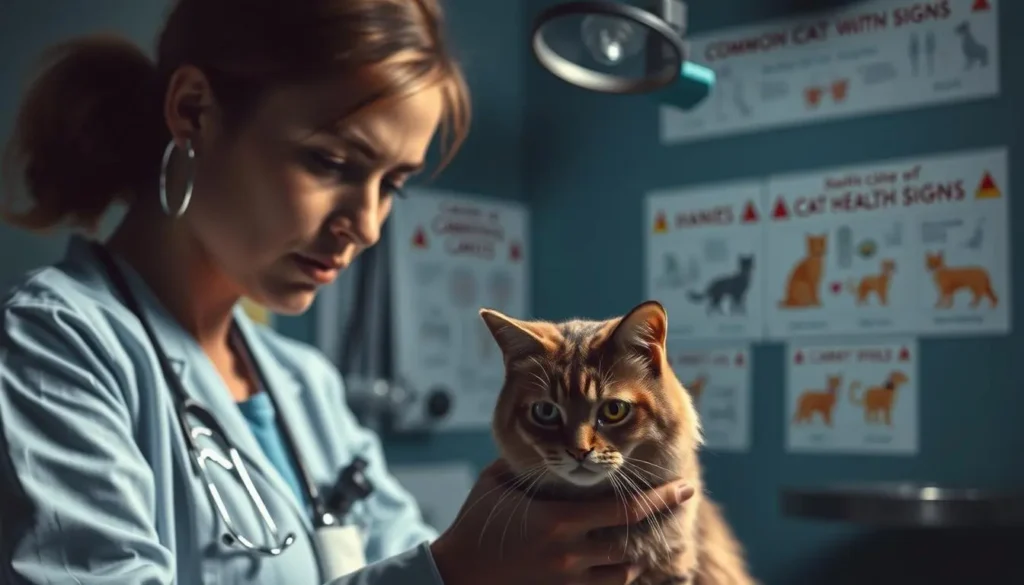
Knowing when to worry about your cat not eating is key for their health. Cats are often independent, but not eating for a long time can mean serious health problems. Getting help from a vet quickly can help your cat get better.
Signs that mean your cat needs to see a vet right away include:
- Not eating at all for more than 24-48 hours
- Noticeable weight loss
- Vomiting or diarrhea
- Feeling very tired or weak
- Drinking a lot more or less water than usual
When your cat shows many warning signs, it’s time to see a vet. Vets can run tests to find out why your cat isn’t eating. These tests might include blood work, physical checks, and imaging.
Early detection and treatment can prevent more serious health complications.
Some situations that need vet care right away are:
- Not eating at all suddenly
- Keeping on vomiting
- Showing a lot of pain or discomfort
- Breathing too fast or in a strange way
Your vet will figure out why your cat isn’t eating and come up with a plan to help. Don’t wait to get help if you’re worried about your cat’s health.
Treatment Options and Home Care Strategies
When your cat stops eating, finding the right treatment is key. Cat appetite loss can be tough, but with the right steps, you can help your cat eat again.
Vets suggest several ways to help your cat eat more. Each method needs patience and watching how your cat reacts.
Appetite Stimulation Methods
There are many ways to make your cat want to eat:
- Warm food slightly to make it smell better
- Give strong-smelling foods like tuna or chicken
- Use vet-prescribed medicines to help them eat
- Feed small meals often
Feeding Techniques for Reluctant Cats
For cats that don’t want to eat, special feeding methods can help:
- Feed small amounts of soft, tasty food by hand
- Use food puzzles to make eating fun
- Make sure the eating area is calm and stress-free
Recovery Support Guidelines
If you think about force feeding your cat, talk to your vet first. This should only be done with a vet’s advice to avoid problems.
“Patience and consistent care are key to helping your cat recover from appetite loss.” – Veterinary Nutrition Experts
Keeping your cat hydrated is very important during recovery. Give them fresh water often and think about wet food for extra moisture. Watch your cat’s progress and go back to the vet for check-ups to make sure they’re getting better.
Conclusion
Knowing how long a cat can skip meals is key for pet owners. A cat not eating can quickly turn into a serious health issue. It can lead to dangerous changes in just 24-48 hours. Watching your cat’s eating habits closely can help avoid health problems.
If your cat stops eating for a long time, act fast. Getting help from a vet is crucial if your cat won’t eat for more than a day or two. Early help can stop serious issues like fatty liver disease and help your cat get better quickly.
Cats need special food, and skipping meals is a big deal. Paying attention to your cat’s behavior and regular vet visits are important. Knowing the risks of a cat hunger strike helps keep your cat healthy and happy.
Being proactive and quick to act can really help when your cat won’t eat. Listen to your gut, get vet advice when you need it, and focus on your cat’s nutrition.