RFID Cat Feeder: Hassle-Free Feeding for Your Furry Friend
Leaving for work can make you worry about your cat’s food. You want them to eat on time without you watching. This is especially true if your cat needs a special diet or you have other pets at home.
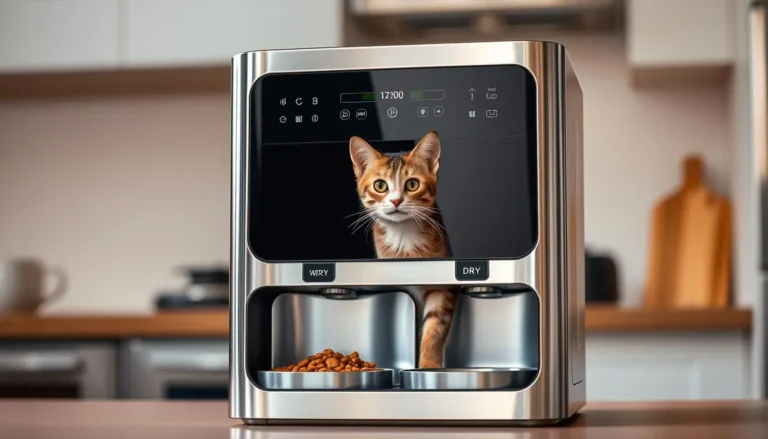
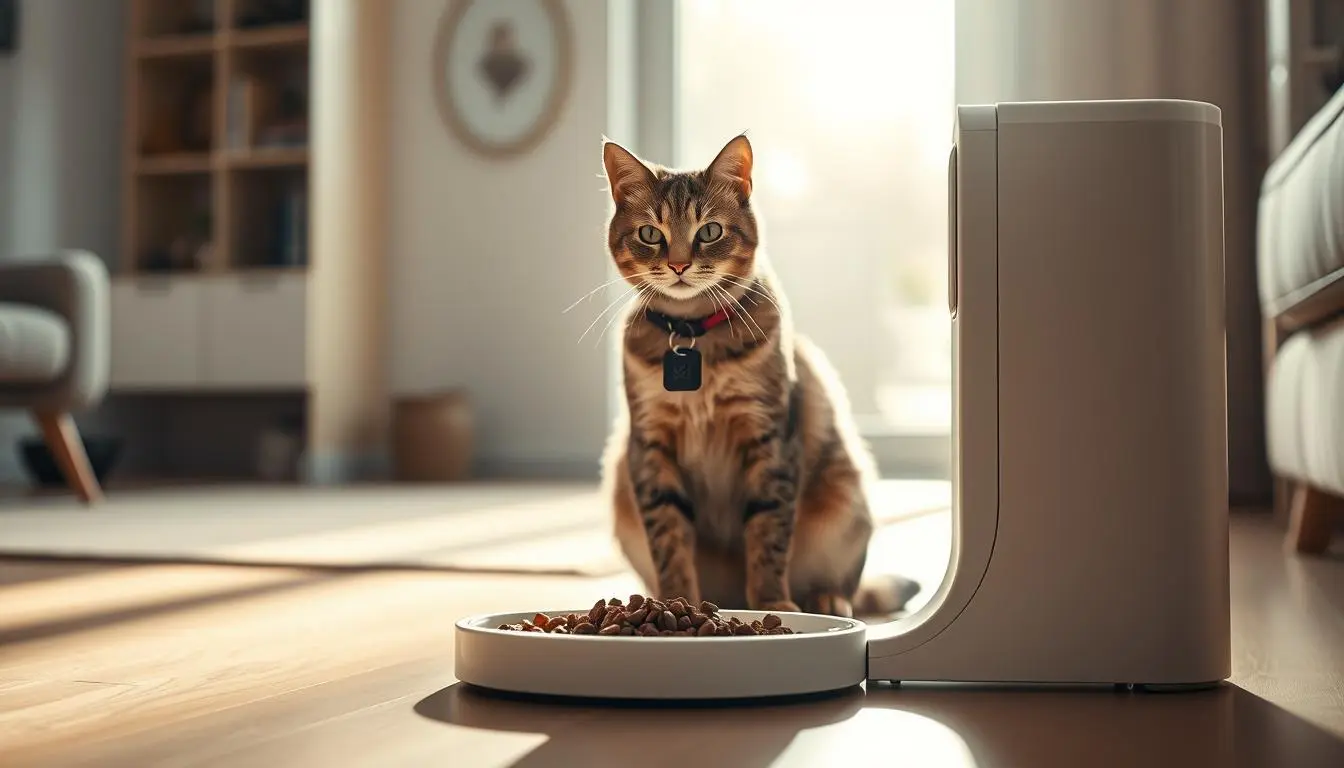
An RFID cat feeder is the answer. It uses radio waves to know who’s eating. It only opens for the right pet, thanks to a collar tag or microchip. This smart feeder mixes old-school food dispensing with new-tech ID checks.
These feeders come in different styles. You can find bowl-style, microchip-read doors, or feeder bowls with RFID collars. Brands like PetSafe and SureFeed are popular in the U.S. They offer feeders that can be set to feed at specific times.
Wet food is less common because it can spoil. But most feeders are designed for dry food. They use safe materials and are hard to tamper with.
Who will love these feeders? Busy pet owners, families with many pets, and those who travel or work long hours. They’ll enjoy less food waste, regular feeding times, and the right amount of food. When shopping, look at the features, prices, and if you need a simple feeder or one that connects to the internet.
Table of Contents
Table of Contents
Why Choose an RFID Cat Feeder for Your Pet
Choosing the right feeder is key to managing meals, meds, and weight without constant supervision. An RFID cat feeder ensures each pet eats the right food at the right time. This reduces stress and keeps mealtime calm, especially in homes with more than one pet.
Benefits of targeted feeding in multi-pet households
An RFID automatic feeder for cats can be set to open only for the tagged pet. This stops dominant pets from stealing food meant for others. It also helps with prescription diets and medication for pets.
Targeted feeding makes weight plans easier. You can control calories for an overweight cat while a sibling eats freely. This reduces the need for constant human oversight and vet visits.
How RFID technology prevents food theft and overeating
A cat feeder with RFID technology uses a reader that scans a microchip or collar tag before opening. The typical read range is a few inches, so it only opens for the correct pet. Many models accept ISO-compliant microchips (ISO 11784/11785).
Modern feeders have anti-spoofing routines and secure pairing to avoid accidental triggers. This ensures consistent portion control and fewer incidents of overeating. It protects your cat’s health and keeps portion accuracy over time.
Comparing RFID to other smart pet feeder technologies
RFID is better than timed-only dispensers for pet-specific control. Timed units pour the same portion for any pet. Weight-sensor bowls try to detect who’s eating by mass but can misidentify similar-sized pets.
Facial recognition systems are emerging and can be accurate but cost more and need clean camera views. A smart pet feeder that combines RFID and wifi offers both identification and remote control. If you want pet-specific feeding in a multi-pet home, RFID is the practical choice.
| Feature | RFID feeders | Weight-sensor bowls | Timed-only dispensers | Facial recognition |
|---|---|---|---|---|
| Pet-specific access | High — opens only for tagged pets | Medium — may misidentify similar weights | Low — cannot distinguish pets | High — accurate if camera view is clear |
| Cost | Moderate | Moderate | Low | High |
| Complexity | Low to moderate — simple pairing | Moderate — calibration may be needed | Low — basic programming | High — setup and lighting requirements |
| Best use case | Multi-pet homes needing diet separation | Homes tracking portions by weight | Single-pet feeding schedules | Owners wanting non-contact ID with cameras |
| Remote control / logging | Available on some models with wifi | Rare — usually local data only | Some smart versions offer apps | Often included with cloud services |
Key Features to Look For in an Automatic Cat Feeder
Choosing the right automatic cat feeder is crucial for your cat’s health and your peace of mind. Look for features like precise portioning, solid construction, reliable power, and an easy-to-use interface. These elements are important, whether you choose an electronic, programmable, or RFID cat feeder.
Portion control and programmable feeding schedules
Make sure the feeder offers options for portion sizes in grams, tablespoons, or preset servings. This helps with weight control and medical diets. Fractional servings are also important for half or third portions throughout the day.
Flexibility in scheduling is key. You should be able to set up multiple daily feedings, custom feeding windows, and delayed-release options. Features like jam sensors and a manual-feed override ensure meals are delivered on time, even if something goes wrong.
Build quality and food storage capacity
Look for materials like BPA-free plastic and stainless steel bowls for durability and safety. Hopper sizes range from about 2 to 10 pounds. Larger capacity means less frequent refills but more space.
Make sure the feeder has an airtight lid to keep food fresh and an anti-pest design to deter ants and rodents. A low, wide base prevents tipping, and compatibility with various kibble shapes prevents jams. Check if the feeder accepts wet-food inserts if needed.
Power options: battery backup vs. plug-in units
Plug-in units provide continuous power, which is important for features like wifi and consistent schedules. Battery backup ensures operation during outages. Choose a model with both options for reliability.
Consider the type of battery. AA/AAA cells are easy to replace. Rechargeable packs reduce waste but may lose capacity over time. Check the expected battery life and plan for replacements if needed.
User interface and ease of programming
Interfaces vary from simple LCD panels with buttons to smartphone apps. Many find a clear physical interface with labeled buttons easiest. Look for step-by-step setup, quick-feed buttons, and voice prompts or LED indicators to confirm actions.
Pairing RFID cat feeder tags or microchips should be straightforward. Read user reviews about setup and firmware update policies, especially for wifi-enabled models. A smooth start-up saves time and reduces stress for you and your cat.
Integrating Smart Pet Feeder Options: wifi enabled cat feeder and app control
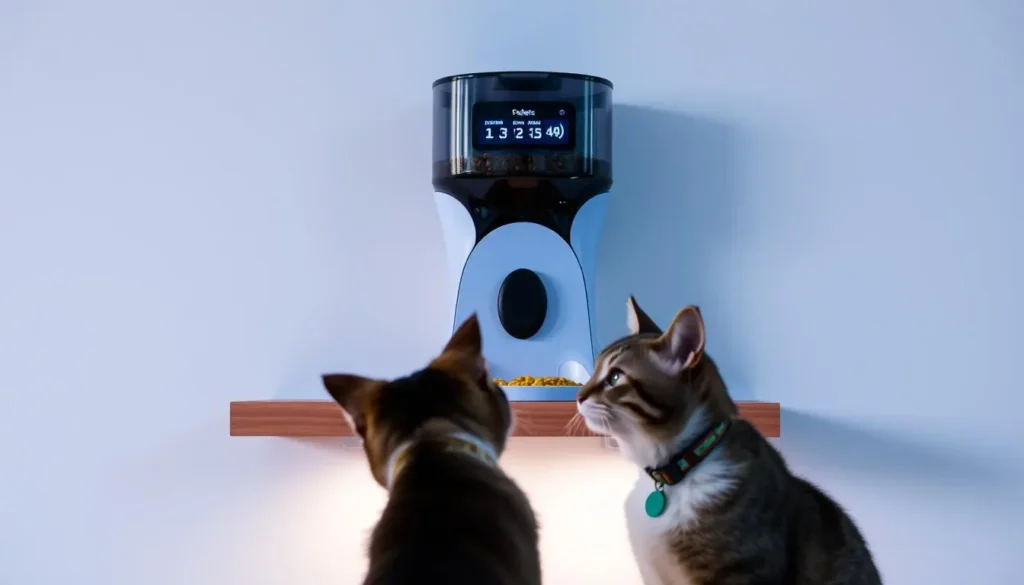
Choose a wifi enabled cat feeder for remote control and live updates. These feeders let you adjust portions anytime and see feeding logs on your phone. They’re perfect for travelers, busy people, or homes with many caretakers.
Adding RFID technology to a smart pet feeder makes it even better. It can lock servings for specific pets and wait for your okay. You also get cloud-stored feeding history and can troubleshoot remotely if needed.
Make sure the app works with your phone before buying. Check if it supports iOS and Android and if it needs 2.4 GHz Wi‑Fi or a dual-band router. Some models need a hub for stable performance, so confirm setup steps and any required subscriptions.
Security is key for all connected devices. Badly secured feeders can risk your home network and personal info. Look for makers that use TLS/HTTPS encryption and offer two-factor authentication and regular updates.
Protect your network with practical steps. Change default passwords, put the feeder on a guest network or IoT VLAN, and read the app’s privacy policy. Choose well-known brands with clear security info and good customer support.
Remote scheduling and notifications are key app features. Expect alerts for low food, feedings, device offline warnings, and blocked feeding attempts. Many apps also track portions, calories, and time-stamped logs.
Real-time monitoring builds trust during meals. Feeders with cameras let you watch your cat eat and confirm they ate the meal. When a rfid cat feeder is paired with video, you can match RFID reads to on-camera behavior for accurate records.
Be careful with camera-equipped models. Make sure video storage is secure and access is restricted. Choose products that let you control who sees footage and where it’s stored.
Buying Guide: How to Pick the Right rfid cat feeder for Your Cat
Choosing an rfid cat feeder starts with your cat’s needs. Think about diet type, feeding habits, and household dynamics before you pick an automatic cat feeder. The right choice keeps meals accurate, reduces stress, and prevents food stealing in multi-pet homes.
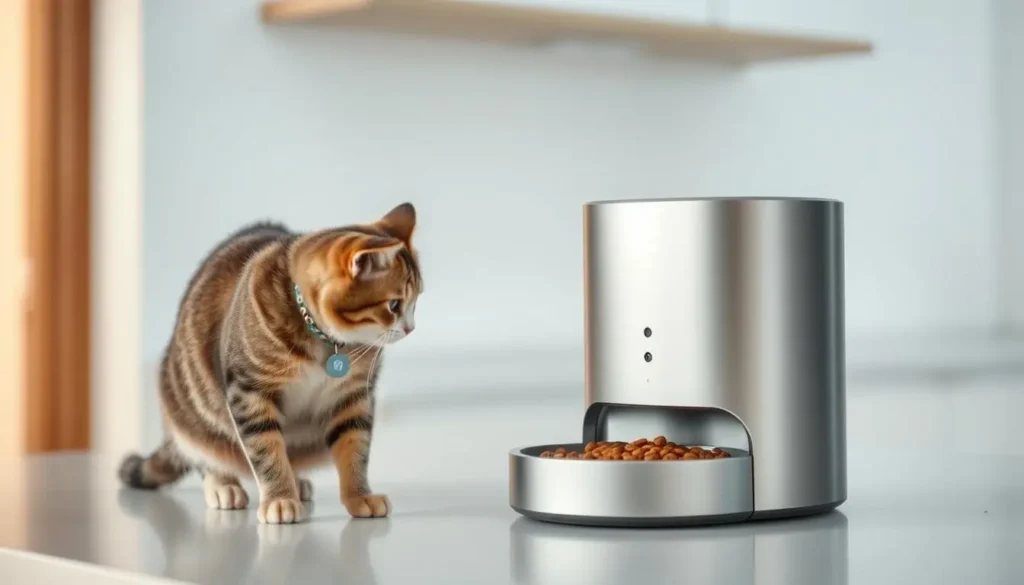
If you have multiple pets or a cat on a restricted diet, a cat feeder with rfid technology is a strong option. It lets you target meals to one animal and stops others from eating their kibble. For cats that graze, choose a feeder that dispenses small, frequent portions rather than one large serving.
Wet food usually needs separate handling. Standard rfid automatic feeder for cats often work best with dry food. For wet diets, consider scheduled hand-feeding, refrigerated single-serve systems, or hybrid feeders designed for moist food.
Tag types, registration, and pairing multiple pets
Decide between implanted ISO microchip support and collar-mounted RFID tags. Implanted microchips are permanent and avoid lost tags, but not every electronic pet feeder reads all implant standards. Confirm ISO compatibility before you buy.
Collar tags can move between pets and simplify testing. They can fall off, so check tag durability and attachment design. Pairing is usually done through the feeder interface or companion app. Look for feeders that list how many tags they can register and whether you can set feeding priorities.
Maintenance, cleaning, and longevity of electronic pet feeders
Check for removable bowls and dishwasher-safe parts to keep hygiene simple. Clean the hopper and feeding path on a regular schedule to avoid stale food and pests. Small, frequent cleaning reduces buildup that can cause jams.
Read reviews for motor lifespan and jam frequency. Choose brands that sell replacement trays, lids, and electrical components. Accessible U.S.-based customer support helps when parts wear out or sensors fail.
Price ranges and warranty considerations for rfid automatic feeder for cats
Expect entry-level rfid cat feeder options to start in the low-to-mid $100s. Mid-range units with larger capacity and app features typically run $150–$300. Premium models with cameras and high-capacity hoppers can exceed $300.
Insist on a minimum one-year warranty and clear return policies. Extended warranty options are useful for heavy users. Buy from authorized retailers, manufacturer sites, or trusted marketplaces like Amazon, Chewy, and Petco to protect warranty claims.
Conclusion
An rfid cat feeder offers reliable feeding that cuts down on food theft. It helps manage your cat’s weight and supports special diets. This frees you from always watching over your pet.
Choosing between a basic or smart feeder, the main goal is the same. It ensures your cat gets the right amount of food. This reduces stress in homes with many pets and keeps your cat’s health consistent.
When you’re ready to buy, check if the feeder works with your cat’s microchip or tag. Look at how it controls portions and schedules meals. Decide if the extra features of a wifi enabled feeder are worth it.
Think about the feeder’s build quality, whether it needs batteries or a plug, and the warranty. This ensures it works well for a long time.
Compare different models based on what you need. Read what other users say to see how well they work. Buy from trusted U.S. sellers for warranty support and easy returns.
If you’re not sure about microchip compatibility, try a feeder under a return policy. Or choose one that comes with RFID tags for easy setup with your smart feeder.