
The Complete Guide to Dry Cat Food: Everything Cat Owners Need to Know
Choosing the right food for your cat is one of the most important decisions you’ll make as a pet owner. Dry cat food has become increasingly popular over the past few decades, and for good reason—it offers convenience, cost-effectiveness, and when chosen wisely, excellent nutrition for your feline companion.
But here’s the challenge: with hundreds of brands and formulas on the market, each claiming to be the best, how do you know which dry cat food is actually right for your cat? Price ranges vary wildly, ingredients can be confusing, and marketing claims don’t always reflect nutritional reality.
This comprehensive guide covers everything you need to know about dry cat food, from understanding the basics of feline nutrition to finding the perfect formula for your cat’s life stage and health needs. Whether you’re a new cat owner or looking to switch brands, you’ll find actionable advice, expert recommendations, and honest brand reviews to help you make informed decisions.
Table of Contents
Understanding Dry Cat Food Basics

Before you choose a brand, it helps to understand what dry cat food actually is and how it compares to other feeding options.
What Makes Dry Food Different from Wet Food
Dry cat food, also called kibble, contains approximately 10% moisture content, while wet food contains 70-80% water. This fundamental difference affects everything from shelf life to nutritional concentration. Dry food is shelf-stable and convenient—you can leave it out for your cat to graze throughout the day without worrying about spoilage (for several hours, at least).
The manufacturing process removes most water through extrusion and drying, which allows manufacturers to create formulas that are nutritionally dense. This means your cat needs to eat less dry food by volume compared to wet food to meet the same caloric and nutritional needs.
Nutritional Requirements Cats Need
Cats are obligate carnivores, meaning they require nutrients found primarily in meat to survive and thrive. Unlike dogs, cats cannot synthesize certain essential amino acids, most notably taurine, which is critical for heart and eye health.
A quality dry cat food should contain:
- High-quality protein (minimum 26% for adults, higher for kittens)
- Taurine (essential amino acid found in meat)
- Balanced fat content (8-15% for adults)
- Essential vitamins and minerals including calcium, phosphorus, magnesium, and B vitamins
- Limited carbohydrates (cats have limited ability to digest plant-based foods)
When reading labels, look for meat as the first ingredient, ideally named protein sources (like “chicken” rather than “meat meal”), and the AAFCO (Association of American Feed Control Officials) certification that confirms the food meets minimum nutritional standards.
How Dry Food Is Manufactured
Dry cat food is made through a process called extrusion. Ingredients are mixed together, then forced through a heated chamber under high pressure. This process creates the kibble shape and helps preserve the food through moisture removal and cooking.
This manufacturing method has benefits and drawbacks: it makes food shelf-stable and affordable to produce at scale, but the high heat can destroy some heat-sensitive nutrients. Manufacturers add vitamins back in after cooking to ensure nutritional completeness. Understanding this process helps you appreciate why premium brands, which use higher-quality ingredients and sometimes gentler processing methods, often cost more.
Pros and Cons of Dry Feeding
Advantages:
- Convenience: No refrigeration needed; easy to store and serve
- Cost-effective: Generally cheaper per serving than wet food
- Dental benefits: The chewing action may help reduce tartar buildup (though this is limited)
- Portion control: Easy to measure and track calories
- Less mess: No spills or cleanup like with wet food
Disadvantages:
- Lower moisture content: Cats eating only dry food may not drink enough water, potentially affecting kidney and urinary health
- Less palatable for some cats: Picky eaters may prefer the stronger flavors of wet food
- Ingredient quality varies widely: Budget brands often use lower-quality protein sources and fillers
- Processing concerns: High-heat manufacturing can reduce nutrient bioavailability
Many veterinarians recommend a combination approach: feeding primarily dry food for convenience while incorporating wet food to increase overall moisture intake.
→ Read our complete comparison: Dry vs. Wet Cat Food: Which Is Better?
Top Dry Cat Food Brands Reviewed
With so many options available, focusing on proven, well-regarded brands can simplify your decision-making process.
Premium Brands
Blue Wilderness Cat Food
Blue Wilderness is a high-protein, grain-free option that appeals to owners wanting to mimic a cat’s natural diet. The brand emphasizes meat-based protein, with chicken, turkey, or fish as primary ingredients, and avoids corn, wheat, and soy.
Key benefits include high protein content (around 40% in some formulas), named meat sources, and no artificial colors or flavors. The grain-free formula aligns with feline digestive preferences. However, the premium price point (typically $2-3 per pound) makes it a significant investment for owners with multiple cats or budget constraints.
Customer feedback is generally positive, with many owners reporting improved coat quality and digestive health. Some cats have sensitive systems that respond well to the cleaner ingredient list.
Iams Dry Cat Food
Iams represents the middle ground—more affordable than premium boutique brands but formulated with more consideration than budget options. The brand has been around for decades and invests in veterinary nutrition research.
Iams offers specialized formulas for different life stages and health conditions. Their dry food typically contains 26-30% protein and includes important nutrients like taurine and arginine. The brand is widely available and backed by Hill’s Pet Nutrition, a company with extensive veterinary connections.
While not grain-free and containing some corn as a carbohydrate source, Iams formulas are nutritionally balanced and affordable ($0.60-0.90 per pound). This makes it an excellent choice for owners who want vet-approved nutrition without premium pricing.
→ Full Review: Blue Wilderness Cat Food: Is It Worth the Premium Price?
→ Complete Analysis: Iams Dry Cat Food: Vet-Approved Nutrition Guide
Budget-Friendly Options
Friskies Dry Cat Food
Friskies is America’s most popular budget dry cat food brand, known for affordability and variety. The brand offers numerous flavors and formulas at prices often under $0.50 per pound.
The trade-off for the low price is ingredient quality. Friskies typically uses meat by-products rather than whole meat proteins, includes corn and soy as primary ingredients, and offers less nutritional density than premium options. However, the food is AAFCO-certified and does meet minimum nutritional standards.
Friskies works well for owners with strict budgets or multiple cats. Many cats eat it without issues, though some develop sensitivities to the ingredient list. It’s a pragmatic choice when premium options aren’t financially feasible.
Fancy Feast Dry Cat Food
Fancy Feast is known for its variety and appealing presentation, offering numerous flavors and textures. This variety can be beneficial for picky eaters who lose interest in monotonous diets.
Like Friskies, Fancy Feast is budget-friendly but uses mixed-quality ingredients. The multiple flavor options can help prevent food boredom, and some cats show strong preferences for this brand. The variety pack approach allows customization to your cat’s preferences.
The downside is similar to other budget brands: ingredient quality and nutritional density don’t match premium options. Use this for cats that thrive on variety and lower-cost feeding.
→ Deep Dive: Friskies Dry Cat Food: Complete Brand Review
→ Related: Is Friskies Bad for Cats? Truth Behind the Brand
→ Guide: Fancy Feast Dry Cat Food: What You Need to Know
Where to Buy
Chewy Dry Cat Food (Online Convenience)
Chewy has revolutionized pet food shopping by offering auto-delivery subscriptions with discounts (up to 35% off regular prices), free shipping on orders over $35, and extensive brand selection.
Shopping online through Chewy or Amazon provides convenience for busy owners and often better prices than local pet stores. Subscribe-and-save programs ensure you never run out of food while saving money. The trade-off is the slight delay in receiving orders and the environmental impact of shipping.
→ Shopping Guide: Best Places to Buy Dry Cat Food Online
Specialized Dry Cat Food Types
Beyond standard kibble, several specialized dry food options cater to specific nutritional philosophies and dietary needs.
Freeze-Dried Options
Freeze-dried cat food represents a newer approach to dry feeding that aims to combine the convenience of kibble with the nutritional profile of raw food.
Freeze-dried products start as raw meat and organs that are frozen, then placed in a vacuum chamber where the ice converts directly to vapor (sublimation), removing 98% of moisture while preserving heat-sensitive nutrients. The result is lightweight, shelf-stable food that rehydrates when your cat eats it.
Benefits include higher bioavailability of nutrients, minimal processing compared to traditional kibble, alignment with feline carnivorous nature, and no synthetic vitamin additions needed. However, freeze-dried food is significantly more expensive ($3-5 per pound) and requires more careful handling to prevent contamination.
Freeze-dried options work well as meal toppers or for rotating with traditional dry food, though feeding exclusively can become prohibitively expensive for most households.
→ Complete Guide: Freeze Dried Cat Food: Benefits and Best Brands
→ Advanced: Freeze Dried Raw Cat Food: The Ultimate Nutrition Guide
Texture Variations
Soft Dry Cat Food
Some cats, particularly seniors with dental disease or jaw issues, struggle with crunchy kibble. Soft dry food provides a middle ground between hard kibble and wet food, with a semi-soft texture that requires less chewing force.
These products offer the shelf stability and convenience of dry food while being gentler on sensitive teeth and gums. They’re ideal for cats with tooth loss, gum disease, or arthritis affecting the jaw.
The downside is limited brand selection and slightly higher cost than traditional kibble. Some soft dry foods have higher moisture content than standard kibble, making them less shelf-stable once opened.
Temptations Dry Cat Food (Crunchy Treat Options)
Temptations are crunchy treats rather than complete meals, designed as supplements or training rewards. The brand offers numerous flavors and appeals to cats’ taste preferences, making them useful for positive reinforcement.
These treats should comprise no more than 10% of daily caloric intake, as they’re less nutritionally balanced than complete meals. Use them strategically for training, medication administration, or bonding moments rather than as a primary food source.
→ Review: Soft Dry Cat Food for Senior Cats
→ Treats Guide: Temptations Cat Treats: Are They Healthy?
Life Stage Nutrition
Cats’ nutritional needs change throughout their lives. Feeding the appropriate formula for your cat’s age supports optimal health at each stage.
Kittens
Kittens require significantly more calories and protein than adult cats to support rapid growth and development. From weaning (around 4 weeks) until one year of age, kittens should eat kitten-specific formulas containing at least 30% protein and higher fat content.
Kittens have smaller stomachs than adults, so they need frequent meals—typically three to four times daily until six months old, then twice daily until one year. Kitten formulas are nutrient-dense to support bone development, immune function, and neurological development.
Quality kitten foods ensure proper calcium-phosphorus ratios, adequate taurine for eye and heart development, and essential fatty acids for brain development. Friskies Kitten Food is a budget option, while premium brands like Royal Canin or Hill’s Science Diet offer more specialized formulations.
→ Top Picks: Best Kitten Food: Complete Nutrition Guide
Adult Cats
Once cats reach one year of age, they transition to adult maintenance nutrition. Adult formulas contain 26-30% protein and moderate fat content (8-12%) to maintain ideal body weight without excess calories.
Most adult cats thrive on twice-daily feeding schedules, which helps regulate digestion and prevents overeating. The best brands for everyday feeding balance quality ingredients, price, and your cat’s individual preferences and health needs.
At this life stage, consider factors like activity level (indoor vs. outdoor), body condition score, and any emerging health issues. Regular veterinary checkups help ensure your chosen food continues to meet your cat’s needs.
Senior Cats
Cats over 11-12 years old benefit from senior-specific formulas designed for aging bodies. Senior formulas typically contain lower calories to account for decreased activity, joint-support supplements like glucosamine, and adjusted nutrient profiles for aging organs.
Senior cats may benefit from softer textures due to dental wear and have different digestive capabilities than younger adults. Some senior cats develop kidney or thyroid issues requiring specialized prescription diets.
Consult your veterinarian about senior nutrition, as prescription diets may be necessary for cats with chronic kidney disease, diabetes, or other age-related conditions. Over-the-counter senior formulas work well for healthy aging cats without specific health issues.
Feeding Guidelines and Portions

Understanding how much to feed your cat is crucial for maintaining ideal body weight and preventing obesity-related health issues.
How Much to Feed
The amount of dry food your cat needs depends on several factors: current body weight, activity level, age, metabolic rate, and the specific food’s caloric density.
Most dry cat foods contain 3.5-4.5 calories per gram. An average 10-pound adult cat needs approximately 200-250 calories daily, translating to roughly ¾ to 1 cup of dry food per day, split into two meals.
However, this varies significantly. An active outdoor cat may need more calories, while an indoor senior cat may need fewer. Overweight cats require portion reduction to reach ideal weight, while underweight cats may need more food or a higher-calorie formula.
Consult the feeding guide on your cat food packaging as a starting point, then adjust based on your cat’s body condition. You should be able to feel your cat’s ribs without excessive pressure, and your cat should have a visible waist when viewed from above.
→ Calculator: How Much Should I Feed My Cat? Complete Portion Guide
→ Schedule: How Often Should I Feed My Cat? Expert Recommendations
→ Calculator: how much cat food per day
Combination Feeding
Many veterinarians recommend combination feeding—offering both dry and wet food—to increase overall moisture intake while maintaining the convenience of dry food.
A common approach is feeding dry food in the morning and evening, with a portion of wet food at lunch. This provides variety, encourages hydration, and helps prevent the boredom that can develop from eating the same food continuously.
Automated feeders designed for dry food can dispense meals at scheduled times, beneficial for busy owners or cats on strict feeding schedules. Some advanced models offer portion control and multiple compartments for different food types.
When combining wet and dry food, reduce portions of each to maintain appropriate total caloric intake. A typical combination might be ½ cup dry food plus 3 ounces of wet food daily, adjusted for your cat’s individual needs.
→ Product Review: Best Automatic Cat Food Dispensers for Dry Food
Community Recommendations
Learning what other cat owners recommend can provide valuable real-world insights beyond marketing claims and manufacturer information.
What Cat Owners Actually Recommend
Reddit communities dedicated to cats offer honest reviews and experiences with various brands. The r/cats and r/CatsAreAssholes communities frequently discuss food recommendations, with owners sharing what their cats actually prefer and how various foods affected their cats’ health.
Commonly recommended dry cat foods in online communities include Blue Buffalo, Taste of the Wild, Orijen, and mid-range brands like Iams and Purina Pro Plan. Budget-conscious owners frequently mention Friskies with mixed reviews—some cats thrive on it, while others develop digestive issues or urinary problems.
Recurring themes in community discussions include the importance of ingredient quality, the prevalence of obesity in indoor cats, and the gradual digestive adjustment needed when switching foods. Owners frequently share before-and-after stories of cats’ improved coat quality, energy levels, and urinary health after switching to higher-quality foods.
Warnings appear frequently about grain-free diets’ potential link to cardiac issues (dilated cardiomyopathy) in some cats, leading many owners to reconsider grain-free formulas and return to traditional recipes containing moderate grains.
→ Analysis: Reddit’s Top-Rated Dry Cat Foods: Community Consensus
Comparing Wet vs. Dry Food Options
While this guide focuses on dry food, understanding how it compares to wet options helps you make informed feeding decisions.
Wet Food Alternatives
Wet cat food contains significantly more moisture (70-80%) than dry kibble, providing superior hydration benefits. Cats eating primarily wet food naturally consume more water, supporting kidney health and urinary tract function.
Wet food also typically has higher meat content and stronger flavors, making it more palatable for picky eaters. The softer texture suits senior cats or those with dental issues better than crunchy kibble.
Drawbacks include higher cost per serving ($0.50-2.00+ per ounce versus $0.30-0.50 per ounce for dry), shorter shelf life once opened, and refrigeration requirements. Wet food spoils quickly and isn’t ideal for free-feeding approaches.
Top Rated Wet Cat Food brands include Royal Canin, Hill’s Science Diet, Fancy Feast, and specialty brands emphasizing whole meat ingredients. The best wet cat food for your cat depends on their preferences, nutritional needs, and your budget.
Friskies Cat Wet Food provides budget-friendly wet options at similar price points to dry Friskies, offering variety for owners using combination feeding approaches.
Optimal Feeding Strategy
The healthiest approach for most cats combines both wet and dry food. Feeding dry kibble as a primary source leverages its convenience and cost-effectiveness, while incorporating wet food increases overall moisture intake and provides nutritional diversity.
A balanced combination might include 75% dry food and 25% wet food by daily caloric intake, adjusted based on your cat’s response and your budget. This approach provides the best of both worlds: convenience and cost-effectiveness of dry food with the hydration and palatability benefits of wet food.
→ Comparison: Wet vs. Dry Cat Food: Which Is Healthier?
→ Review: Top Rated Wet Cat Food: Expert Picks
Frequently Asked Questions
Is dry cat food bad for cats?
Dry cat food isn’t inherently bad for cats when it’s high-quality and part of a balanced diet. The primary concern is moisture content—cats eating exclusively dry food may not drink sufficient water, potentially affecting kidney and urinary health. The solution is combining dry food with wet food or ensuring your cat drinks adequate water. Quality matters significantly; premium dry foods with high meat content and minimal fillers are nutritionally superior to budget brands using meat by-products and excessive grains.
Can I feed only dry food to my cat?
Technically yes, but it’s not ideal for most cats. Cats evolved eating prey containing 70-80% moisture, and their thirst response is relatively weak. Feeding exclusively dry food increases urinary concentration, potentially contributing to urinary tract disease and kidney stress. Many veterinarians recommend incorporating wet food (even just 25% of daily calories) to increase hydration. If feeding exclusively dry food, ensure constant fresh water availability and monitor your cat’s urinary health.
How long does dry cat food stay fresh?
Unopened dry cat food typically maintains freshness for 12-18 months from manufacture if stored properly. Once opened, dry food remains fresh for approximately 2-4 weeks in an airtight container in a cool, dry location. Check the food for signs of rancidity (off odors, oily appearance, or stale smell) before serving. Store food in airtight containers away from heat, light, and humidity, which accelerate nutrient degradation and invite insect contamination.
Do cats need water with dry food?
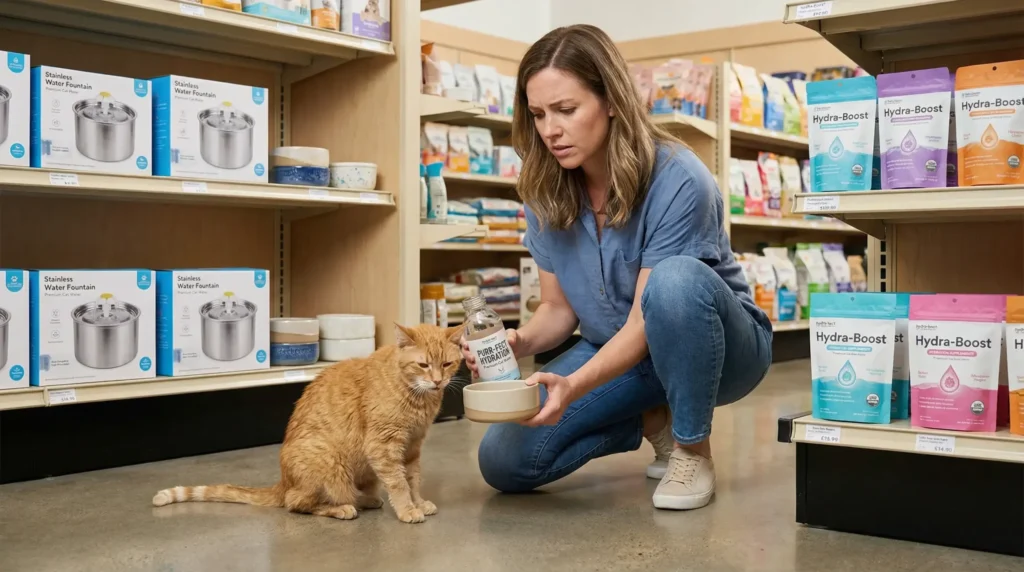
Yes, cats need adequate water when eating dry food. While the food itself doesn’t provide hydration like wet food does, cats require water for digestion, kidney function, and overall health. Cats eating dry food should have constant access to fresh, clean water. Some cats prefer flowing water from fountains rather than still bowls, so experimenting with water fountains may encourage better hydration habits.
What’s the best dry cat food for indoor cats?
Indoor cats have different needs than outdoor cats. They’re typically less active, prone to weight gain, and benefit from lower-calorie formulas. Look for indoor-specific formulas emphasizing weight management, with adequate fiber to support digestive health and hair control. Iams, Purina Pro Plan, and Royal Canin all offer quality indoor formulas. The “best” food depends on your cat’s individual preferences, any existing health issues, and your budget, but prioritizing quality ingredients over price often yields better results.
Is grain-free dry food better?
Grain-free has become a marketing trend, but there’s no scientific evidence that grain-free food is superior for cats. In fact, concerns have emerged about potential links between grain-free diets and dilated cardiomyopathy (a heart condition) in some cats, though research is ongoing. Cats don’t require grain-free diets; they require high-quality protein and appropriate nutrients. A quality food containing moderate grains is often healthier than a lower-quality grain-free option. Choose based on your cat’s individual response rather than assuming grain-free is automatically better.
How do I transition my cat to new dry food?
Abrupt food changes can cause digestive upset, vomiting, or diarrhea. Transition gradually over 7-10 days: Day 1-2, mix 75% old food with 25% new food. Day 3-4, use a 50/50 mix. Day 5-6, use 25% old food and 75% new food. Day 7+, feed the new food exclusively. Go slower (14 days) for cats with sensitive digestion or existing digestive issues. During transition, monitor your cat’s stool consistency and appetite. If digestive upset occurs, extend the transition period further.
Can kittens eat adult dry cat food?
Not as their primary food. Kittens require kitten-specific formulas with higher protein (30%+) and fat content to support growth and development. Adult formulas contain insufficient nutrients for growing kittens. However, kittens can safely eat adult food in small amounts (like tasting from an adult cat’s bowl), but it shouldn’t be their primary nutrition until they reach one year of age. Switch to adult formulas at approximately 12 months once growth plateaus.
Conclusion
Dry cat food can absolutely be a healthy, nutritious choice for your cat when selected thoughtfully. The key lies not in whether you’re feeding dry food, but in choosing high-quality formulas appropriate for your cat’s life stage, health status, and individual needs.
Your cat’s age, activity level, health conditions, and personal preferences should guide your decision. A premium dry food from a reputable brand often provides better nutrition and value than budget options, even at higher upfront costs. Many owners find that investing in quality food reduces veterinary issues related to poor nutrition, ultimately saving money.
Consider starting with our brand comparison sections above or reading detailed reviews of specific brands that match your needs and budget. Combine dry food with some wet food for optimal hydration. Monitor your cat’s body condition, coat quality, energy level, and urinary health to ensure your choice is working well.
Feel free to bookmark this guide as a reference—you can always return when considering switching brands, transitioning to a new life stage formula, or simply refreshing your knowledge about feline nutrition. Your cat’s long-term health is worth the investment in choosing the right food.